
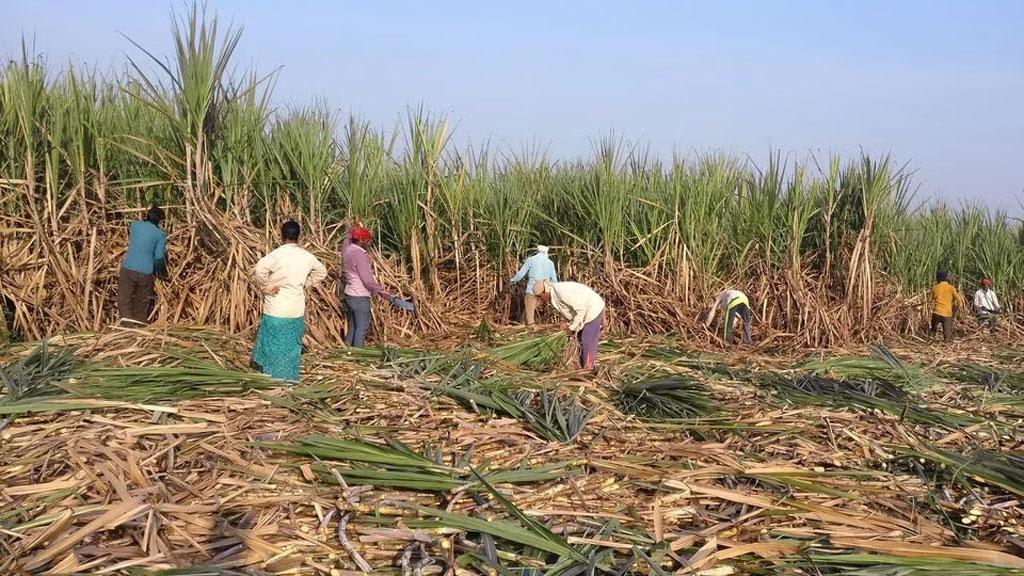
India has directed oil marketing companies to stop diverting sugar for ethanol production during the 2026–27 supply year, marking a significant shift in the country’s approach to balancing renewable fuel production with domestic sugar availability. The decision was outlined in a tender issued on Friday, 16 October 2026, according to Reuters.
The move comes amid concerns about domestic sugar production following below-average rainfall in important sugar-producing states. With sugar prices rising sharply, the government is seeking to protect supplies for domestic consumption while continuing to pursue its ethanol-blending programme.
Government changes ethanol procurement policy
Under the new tender, oil marketing companies have not invited bids for ethanol manufactured from sugarcane juice, sugar syrup or B-heavy molasses for the 2026–27 supply year. This effectively sets sugar diversion for ethanol production at zero under the tender’s specified procurement arrangements.
The tender instead permits bids for ethanol produced from alternative feedstocks, including corn, broken rice and surplus rice procured by the Food Corporation of India.
Indian Oil Corporation, Bharat Petroleum Corporation and Hindustan Petroleum Corporation have invited bids for 11 billion litres of ethanol, with supplies scheduled for the year beginning in November 2026.
The change is important because India has previously relied on surplus sugar and sugarcane-based feedstocks to support its ethanol-blending ambitions. The latest decision indicates that the government is placing greater emphasis on preserving sugar supplies amid concerns about production and prices.
Why sugar availability has become a concern
India is the world’s largest consumer of sugar, and changes in domestic production can have a considerable impact on prices, farmers, sugar mills and consumers.
Poor rainfall in Maharashtra and Karnataka has raised concerns about the availability of sugarcane for the coming production season. These states are important contributors to India’s sugar industry, and weather-related pressures can affect the amount of sugar available for domestic consumption and industrial use.
When sugarcane is diverted towards ethanol production, it can reduce the quantity of sugar available for conventional uses, depending on the feedstock and production process. Limiting that diversion may therefore help preserve supplies during a period of concern over production.
However, the policy alone does not guarantee an immediate fall in retail sugar prices. Actual prices will also depend on the size of the sugar harvest, production costs, inventories, demand and government market interventions.
Ethanol blending remains an important national priority
India’s ethanol programme is intended to reduce dependence on imported petroleum, diversify fuel sources and help address transport-related pollution.
The government has made E20 the nationwide mandatory standard in 2026. E20 refers to petrol containing up to 20% ethanol by volume.
The programme creates demand for ethanol, but the latest tender highlights a policy challenge: expanding the use of renewable fuels while ensuring that agricultural resources remain available for food and other essential uses.
By encouraging ethanol production from corn and surplus rice, the government is seeking to maintain fuel supplies without relying on the sugar-based feedstocks excluded from this tender. The long-term effectiveness of this approach will depend on the availability, cost and sustainability of alternative feedstocks.
Corn-based ethanol faces a revised incentive
The tender also changes the economics of corn-based ethanol production. According to Reuters, the incentive for corn-based ethanol has been reduced from ₹5.79 per litre to ₹2.79 per litre.
Consequently, the procurement price has fallen from ₹71.86 per litre to ₹68.86 per litre.
This adjustment could influence the commercial decisions of ethanol producers, particularly those investing in corn-based production. Producers will need to assess whether their operating costs, feedstock prices and expected returns remain viable under the revised procurement terms.
The change also illustrates the complexity of India’s ethanol strategy. While alternative feedstocks can reduce pressure on sugar supplies, their use must remain economically sustainable for producers and compatible with other agricultural priorities.
What does the decision mean for farmers and consumers?
For sugarcane farmers, the decision could alter demand from sugar mills that previously allocated some cane-derived output to ethanol. The broader effect on farm incomes will depend on procurement arrangements, cane prices, production volumes and how sugar mills adjust their operations.
For consumers, protecting domestic sugar availability could help moderate supply pressures, although the eventual impact on retail prices remains uncertain.
For ethanol producers, the tender creates a clearer shift towards non-sugar feedstocks, requiring businesses to reconsider sourcing and production plans for the new supply year.
For India’s energy sector, the central challenge will be maintaining progress towards fuel-blending targets without creating new pressures on food supplies, agricultural markets or water-intensive crops.
The road ahead
India’s latest ethanol procurement decision represents an attempt to balance two important policy goals: reducing dependence on imported oil and maintaining adequate domestic sugar supplies.
The exclusion of sugar-based feedstocks from the new tender could help ease pressure on the sugar market, but its effectiveness will depend on the coming harvest, the performance of alternative ethanol feedstocks and the response of producers.
As the 2026–27 supply year begins, the key question will be whether India can maintain its ethanol-blending ambitions while protecting agricultural supply chains and keeping essential commodities affordable.
The decision is therefore more than a change in fuel procurement. It highlights the growing connection between energy security, agricultural production, weather conditions and household costs in India’s economy.
