
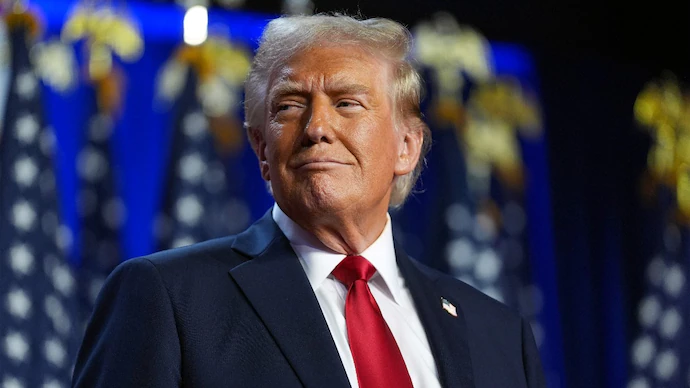
During his presidency from 2017 to 2021, Donald Trump worked to significantly strengthen the U.S.-India relationship, marking a period of closer strategic, economic, and diplomatic ties between the two nations. This relationship flourished under the leadership of both Trump and Indian Prime Minister Narendra Modi, with both leaders emphasizing shared democratic values, mutual economic interests, and a common vision for regional security.
Strengthening Economic Ties
One of the most notable aspects of Trump’s tenure was the effort to boost trade and economic cooperation between the United States and India. Under Trump, bilateral trade between the two countries grew steadily, with a focus on sectors such as energy, defense, and technology. India became one of the largest buyers of American defense equipment, with the U.S. becoming a key partner in India’s modernization of its military forces.
Trump’s administration also aimed to increase the export of U.S. energy, particularly oil and liquefied natural gas (LNG), to India. In return, India was a major market for American goods and services, with tech giants and pharmaceutical companies playing a significant role in bolstering economic ties.
However, the Trump administration’s “America First” policy did result in trade tensions on certain fronts. India faced tariffs imposed by the U.S. on steel and aluminum, which led to negotiations aimed at reducing trade barriers. Despite these occasional disagreements, the overall trajectory of trade and economic cooperation remained positive, with both countries recognizing the importance of maintaining strong economic links.
Defense and Strategic Cooperation
Trump’s presidency marked a significant expansion in defense and security cooperation between the U.S. and India, particularly in light of growing concerns over China’s assertive behavior in the Indo-Pacific region. Under Trump, both countries signed several key defense agreements, including the Communications Compatibility and Security Agreement (COMCASA), which allowed for enhanced sharing of sensitive military information, and the Basic Exchange and Cooperation Agreement (BECA), which facilitated the sharing of geospatial intelligence. These agreements underscored the strategic importance of the U.S.-India partnership in countering common security challenges, especially in the Indo-Pacific.
Additionally, Trump’s approach to counterterrorism aligned closely with India’s priorities, particularly in tackling terrorism emanating from Pakistan. The Trump administration consistently raised concerns over Pakistan’s role in harboring terrorist groups, a point of significant alignment with India’s security concerns.
The Modi-Trump Relationship: Personal Diplomacy
The personal relationship between Trump and Indian Prime Minister Narendra Modi also played a crucial role in fostering closer ties. Trump and Modi often expressed mutual admiration, with Trump praising Modi’s leadership style and vision for India. The two leaders held multiple phone conversations and exchanged visits, with Trump’s high-profile trip to India in February 2020 being a significant moment in the bilateral relationship.
The visit, which included a massive rally in Ahmedabad, Gujarat, attended by over 100,000 people, highlighted the growing bond between the two leaders. Trump and Modi were seen as kindred spirits—populist leaders who sought to reshape their respective nations’ global roles. The rally, which saw both leaders share the stage, showcased the warmth between the two, with Modi even referring to Trump as a “true friend of India.”
Challenges and Areas of Tension
While the overall relationship was largely positive, Trump’s tenure was not without challenges in India-U.S. relations. Disagreements arose on several issues, including trade tariffs, market access, and climate change. Trump’s decision to withdraw the U.S. from the Paris Climate Agreement was met with disappointment in India, which viewed climate change as a significant threat to its future. Additionally, India expressed frustration over the U.S.’s stance on the Generalized System of Preferences (GSP), which saw India losing its preferential trade status with the U.S.
Immigration policies under Trump also became a point of contention, particularly as many Indian nationals sought work and educational opportunities in the United States. Trump’s push for stricter immigration controls, including limitations on H-1B visas, raised concerns among Indian tech companies that heavily relied on American work permits.
Despite these challenges, both leaders managed to maintain an overarching focus on the larger strategic partnership. Trump’s support for India’s role in regional and global forums, including the United Nations, and his commitment to improving bilateral defense ties helped ensure the relationship remained robust throughout his presidency.
Legacy of U.S.-India Relations Under Trump
Donald Trump’s presidency marked a significant chapter in the evolving relationship between the United States and India. While his tenure was marked by moments of tension, the overall trajectory of the relationship was one of deepened cooperation, particularly in the areas of defense, trade, and strategic alignment in the Indo-Pacific region. The strong personal rapport between Trump and Modi was a key factor in driving this partnership forward, with both leaders working together to present a united front against common geopolitical challenges, most notably the rise of China.
As both nations continue to navigate an increasingly complex global landscape, the foundations laid during the Trump administration provide a solid framework for continued collaboration. The U.S.-India relationship remains one of the most important bilateral ties in the world today, with both countries recognizing that their shared democratic values and strategic interests make them natural allies in the 21st century.
