
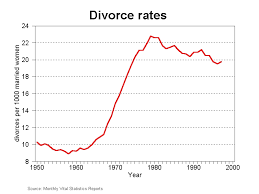
In a significant shift reflecting changing societal attitudes, India is witnessing an unprecedented rise in divorce rates, marking a transformative period in the country’s approach to marriage and family life.
Recent data from the National Family and Health Survey (NFHS) indicates that the divorce rate in India has surged by 35% over the past five years. This trend, once considered a taboo topic, is now gaining increasing visibility and acceptance across various social strata.
The surge in divorces is attributed to a confluence of factors, including evolving social norms, increased financial independence among women, and a growing emphasis on individual happiness and personal fulfillment.
Key Factors Driving the Increase:
- Changing Social Norms: Traditional views on marriage and divorce are increasingly being questioned. Younger generations are more open to discussing and addressing marital issues rather than adhering to outdated norms that often forced individuals to stay in unhappy marriages.
- Women’s Empowerment: The rise in women’s participation in the workforce and their growing financial independence have provided many with the means to consider divorce as a viable option. Women are now more equipped to make decisions about their personal lives without financial constraints.
- Urbanization and Lifestyle Changes: Rapid urbanization and changing lifestyles have also contributed to the trend. With more people living in cities, the dynamics of relationships and the pressures associated with them have evolved, often leading to greater openness about marital dissatisfaction.
- Legal and Institutional Support: Recent reforms in family law and increased availability of legal aid have made the divorce process more accessible and less stigmatized. The introduction of no-fault divorce and mediation services has also simplified legal procedures.
- Mental Health Awareness: Increased awareness about mental health and emotional well-being has encouraged individuals to prioritize their happiness and seek divorce when necessary. Counseling and therapy are now more accepted and accessible, contributing to the decision to end a marriage that is not working.
Implications and Reactions:
The rise in divorce rates has sparked a range of reactions. Social commentators and family experts argue that this trend represents a positive shift towards greater personal freedom and equality. “This is a sign that we are moving towards a more progressive society where individuals have the right to choose their paths without societal pressure,” said Dr. Kavita Sharma, a sociologist specializing in family studies.
On the other hand, the increase has raised concerns about the impact on children and the family unit. Critics suggest that higher divorce rates might lead to increased instability for children and question how well society is equipped to handle these changes.
The government and various NGOs are responding by enhancing support systems for divorced individuals and families. New initiatives include expanded counseling services, support groups, and financial aid programs aimed at helping those navigating post-divorce life.
Looking Ahead:
As India continues to grapple with this evolving social landscape, the rise in divorce rates is likely to remain a topic of intense discussion and analysis. The trend reflects broader societal changes and highlights the need for continued adaptation in social policies and support systems.
For further updates and in-depth analysis on the evolving dynamics of marriage and divorce in India, stay tuned to our exclusive reports and expert interviews.
