
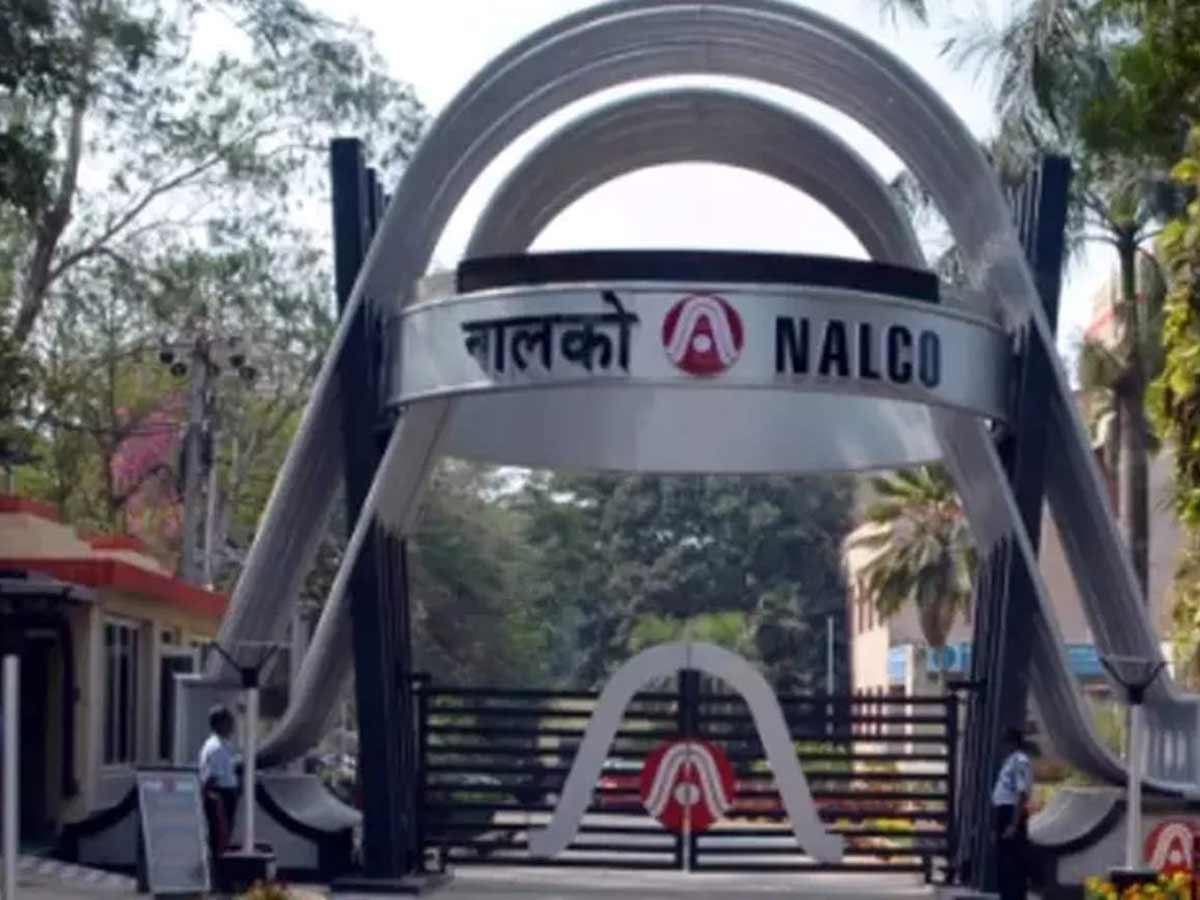
Bhubaneswar: National Aluminium Company Limited (NALCO) is preparing for one of the most significant expansion phases in its history, with proposed investments of around ₹28,000–30,000 crore expected to deepen Odisha’s aluminium manufacturing ecosystem and reinforce the state’s position as a major global metals hub.
At the centre of the plan is a proposed 0.5 million tonnes per annum (MTPA) aluminium smelter at NALCO’s existing Angul complex, along with a 1,080 MW coal-based captive power plant. Earlier estimates placed investments at roughly ₹18,000 crore for the smelter and ₹12,000 crore for the power project, although more recent company discussions have indicated an overall investment range of ₹28,000–30,000 crore over the next three to four years.
The scale of the proposed expansion is significant because aluminium production is an energy-intensive business. A dedicated captive power facility is therefore expected to play a crucial role in supporting the economics and reliability of the proposed additional smelting capacity.
A Bigger Aluminium Push
NALCO, a Navratna public sector enterprise under the Ministry of Mines, already operates an integrated aluminium business in Odisha spanning bauxite mining, alumina refining, aluminium smelting and power generation. Its next growth phase aims to strengthen this integrated value chain further.
The company’s plans extend beyond Angul. NALCO is also progressing with the fifth-stream expansion of its alumina refinery at Damanjodi, while the development of the Pottangi Bauxite Mines is expected to strengthen long-term raw-material security. At its 45th AGM on August 31, the company highlighted these projects, along with the proposed expansion of the Angul smelter and captive power plant, as key components of its future growth strategy.
This integration—from Odisha’s bauxite reserves to refined alumina and finished aluminium—could give NALCO a stronger foundation for expanding production while reducing dependence on external raw-material supplies.
Why It Matters for Odisha
The proposed investment comes at a time when Odisha is witnessing a fresh wave of large-scale investment in aluminium and downstream manufacturing.
NALCO’s expansion, alongside major projects announced by other industry players, could further consolidate the state as one of India’s most important aluminium-producing regions. The larger opportunity, however, lies beyond the production of primary metal.
NALCO and Odisha’s IDCO have already developed the Angul Aluminium Park to promote downstream industries involved in products such as conductors, extrusions, castings and foils. Greater availability of aluminium could potentially attract more value-added manufacturing around Angul, creating opportunities for ancillary industries, MSMEs and local entrepreneurs.
This is particularly important as aluminium demand is expected to grow across sectors including electric vehicles, renewable energy, transmission infrastructure, construction, packaging and advanced manufacturing.
Execution Will Be the Real Test
Despite the ambition, the expansion’s success will depend heavily on execution.
Land acquisition and project clearances have emerged as important challenges. Earlier this year, reports indicated delays in handing over land required for parts of NALCO’s proposed expansion, including the captive power project. More recently, the Odisha government reviewed the progress of NALCO’s major projects and stressed the need to resolve issues relating to land, infrastructure and other administrative requirements to speed up implementation.
NALCO has indicated that project preparation is continuing, with the detailed project report and subsequent tendering processes forming important milestones before full-scale construction begins. The company has outlined a broad timeline targeting completion of the new projects around 2030–31, though this will depend on approvals, land availability and construction progress.
A Strategic Moment for Odisha’s Manufacturing Ambitions
For Odisha, NALCO’s proposed ₹28,000–30,000 crore expansion is more than a corporate investment story. It represents an opportunity to move further up the metals value chain.
The state has long held a natural advantage because of its mineral resources. The next challenge is converting that resource strength into a broader manufacturing ecosystem—one that produces not only alumina and primary aluminium but also high-value components and finished products.
If NALCO’s expansion moves from proposal to timely execution, the project could strengthen Angul’s position as a major aluminium manufacturing cluster, generate fresh demand for infrastructure and ancillary services, and support Odisha’s wider push to attract large-scale industrial investment.
The ambition is clear. The next few years will determine whether the ₹30,000-crore plan becomes one of the defining chapters in Odisha’s industrial transformation.
