
Brent crude climbed to around $96 a barrel, while U.S. West Texas Intermediate (WTI) rose above $92, with both benchmarks gaining strongly over the week. The rally has been driven by renewed military hostilities and growing concerns over the security of oil infrastructure and shipping routes in the region.
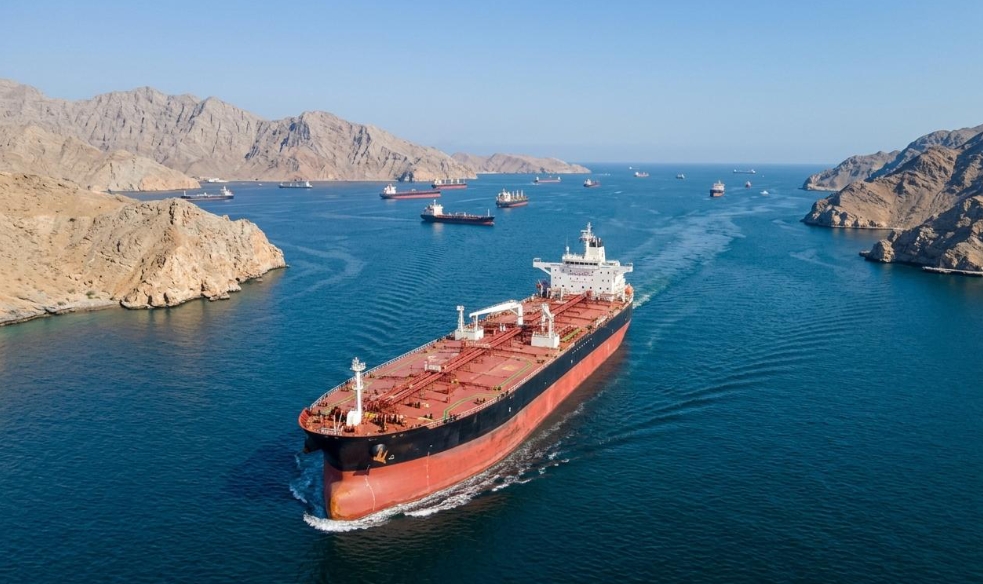
The situation has drawn particular attention to the Strait of Hormuz, one of the world’s most strategically important energy corridors. Any further restrictions on commercial shipping through the route could tighten global oil supplies and push prices even higher.
Analysts say the market is increasingly pricing in a geopolitical risk premium, with the prospect of prolonged conflict creating uncertainty for producers, refiners and major oil-importing economies. ANZ has raised its short-term forecast for Brent crude to $95 per barrel, warning that prices could climb further if the conflict intensifies.
The surge in crude prices could also have wider economic consequences. Higher energy costs may add to global inflationary pressures, increase fuel prices and complicate monetary policy decisions for central banks already navigating concerns over economic growth.
For major oil-importing countries such as India, sustained high crude prices could increase pressure on import bills and domestic fuel costs.
With geopolitical tensions showing little sign of easing, global energy markets are likely to remain highly volatile in the coming days.
