
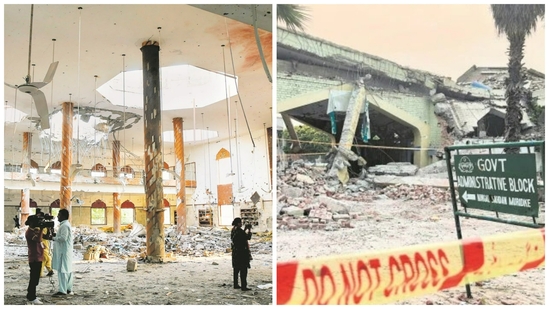
One month after the high-intensity Operation Sindoor, fresh details have emerged highlighting India’s overwhelming military response to Pakistani aggression. The Indian Air Force (IAF), supported by S-400 air defence systems, Rafale jets, and missile batteries, downed six Pakistani aircraft—including four Chinese-made fighter jets and two large transport and surveillance planes—during the four-day conflict.
According to sources familiar with classified reports and damage assessments, the IAF targeted and struck 11 Pakistani airbases, including key installations at Sargodha, Rafiqui, Jacobabad, and Nur Khan (Chaklala), inflicting significant damage. Evidence suggests two F-16s were also partially damaged.
India also took out four major radar systems, including a Chinese LY-80 fire radar, two US-made AN/TPQ-43 tracking radars, and one HQ-9 radar fire unit. Notably, intelligence inputs now indicate Pakistan possesses four Chinese HQ-9 systems—twice the number previously estimated.
The Indian military’s arsenal, including the S-400 air defence system and M777 howitzers, proved decisive in the operation. The Defence Ministry has now authorized the armed forces to replenish advanced weaponry, including long-range loitering munitions, kamikaze drones, artillery shells, and next-gen air-to-air missiles designed to outmatch the Chinese systems used by Pakistan.
The success of Operation Sindoor has reinforced India’s deterrent posture in the region and showcased its advanced combat readiness.
