
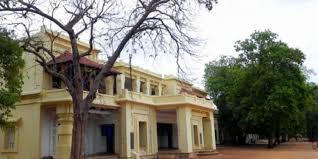
Nestled in the heart of rural Bengal, far from the hustle and bustle of urban life, lies a serene haven that has long inspired poets, artists, and thinkers: Shantiniketan. Established in 1901 by Nobel Laureate Rabindranath Tagore, this quaint town has become synonymous with a unique blend of educational philosophy, artistic expression, and cultural heritage. Known as the birthplace of Visva-Bharati University, Shantiniketan continues to be a center of learning, creativity, and spiritual calm, attracting visitors and scholars from around the world.
A Vision of Education: Tagore’s Dream Realized
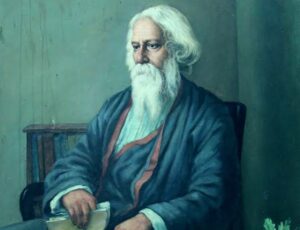
Shantiniketan, literally meaning “Abode of Peace,” was conceived by Rabindranath Tagore as a place that would nurture not just the intellect, but also the soul. When Tagore founded Visva-Bharati in 1921, he envisioned an institution that would transcend traditional academic boundaries. His goal was to create an environment where students could engage with nature, arts, and culture as integral parts of their education.
Unlike the rigid, colonial-era education systems prevalent in India at the time, Tagore promoted a holistic approach that celebrated freedom of thought, creativity, and a deep connection to nature. The iconic “open-air classrooms” and the emphasis on experiential learning were revolutionary ideas, challenging the norms of conventional education. His philosophy was shaped by the belief that true education should not merely be about academic knowledge, but about fostering a sense of global citizenship and spiritual growth.
Visva-Bharati remains one of the most important educational institutions in India, offering a wide range of disciplines including fine arts, literature, music, performing arts, and more. It continues to draw students from across the globe, holding fast to the principles laid out by its founder.
The Art and Architecture of Shantiniketan: A Unique Cultural Heritage
The visual identity of Shantiniketan is a reflection of Tagore’s deep appreciation for art and culture. The town is a living canvas, where art blends effortlessly with everyday life. Traditional Bengali architecture, with its open courtyards, clay-tiled roofs, and simple, earthy structures, coexists with modernist ideas introduced by Tagore. The famous “Patha Bhavan” (school building), “Kala Bhavana” (art building), and “Sangeet Bhavana” (music building) stand as testimony to the architecture that seamlessly integrates nature with the built environment. Many of these buildings were designed by renowned architects, including Tagore’s own associates, and are steeped in the rich cultural history of Bengal.
Shantiniketan is also a living gallery of art. The town is home to an active art community, and the legacy of Tagore’s personal interest in painting is still alive. The “Tagore House” or “Rabindra Bhavan,” which houses a collection of Tagore’s paintings, manuscripts, and personal artifacts, is one of the major attractions for visitors. His paintings, often surreal and abstract, reflect his intellectual and spiritual journey and have been exhibited worldwide.
The “Urs” and “Puja” Celebrations are a visual feast, with the colorful processions, rituals, and artistic performances that fill the air with a sense of belonging to something larger than oneself.
A Melting Pot of Culture: The Annual Festivals
Shantiniketan’s cultural calendar is alive with vibrant festivals that showcase the town’s deep-rooted connection to both local and global traditions. The Poush Mela, held every winter in December, is perhaps the most famous. This festival, which began in Tagore’s time, draws thousands of visitors from across the world, who come to witness a colorful spectacle of folk music, dance, traditional crafts, and a joyful celebration of Bengali culture.
The festival celebrates the harvest season, a time of abundance and joy, and continues to be a gathering place for artisans, musicians, dancers, and food vendors. The mela’s lively atmosphere, combined with the tranquility of the rural landscape, creates an unforgettable experience for all who attend.
Vasant Utsav, or the festival of spring, is another major celebration that brings the town together. A celebration of color and life, the event is marked by students of Visva-Bharati dressing in vibrant yellow sarees and kurta-pajamas, symbolizing the spirit of renewal and joy that spring represents. The entire town becomes an expression of Tagore’s love for nature, music, and the arts.
These festivals, while deeply rooted in local tradition, also serve as a bridge to global culture. In line with Tagore’s vision of a “universal” approach to learning, Shantiniketan’s events often invite international participation, bringing together artists, intellectuals, and cultural enthusiasts from around the world.
The Peaceful Retreat: Nature as a Teacher
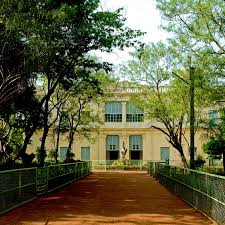
What sets Shantiniketan apart from other cultural hubs in India is the town’s deep integration with nature. For Tagore, nature was not merely a backdrop, but a central part of the learning process. The idea of living in harmony with the environment was central to his philosophy.
Shantiniketan’s sprawling campus is dotted with trees, gardens, and open spaces, where students often conduct their classes under the shade of old banyan trees or beside the calm ponds. The famous Poush Mela is held amidst lush green fields, while the Amra Kunja (mango orchard) and Sampreeti Bagan (unity garden) are reminders of the close relationship between nature and art. The town is also known for its bird-watching opportunities, with numerous species of birds flocking to the surrounding forests and water bodies.
Walking through Shantiniketan feels like walking through history and poetry. The sight of students riding bicycles past flowering trees, the sound of Rabindra Sangeet (Tagore’s songs) filling the air, and the scent of earth and flowers blend into a sensory experience that remains unforgettable for those who visit.
Shantiniketan Today: A Legacy in Motion
Today, Shantiniketan is a vibrant center of culture and education, drawing visitors, artists, and students from all corners of the globe. While it retains the charm and peace that Tagore envisioned, the town has evolved into a dynamic space that continues to innovate. From international art exhibitions to cultural exchanges, Shantiniketan is still a place where tradition meets modernity in the most harmonious ways.
For many, Shantiniketan represents a haven in a world that is constantly changing. It is a place where one can escape the noise of contemporary life and reconnect with the arts, nature, and the timeless wisdom of Rabindranath Tagore. His legacy, far from fading with time, continues to inspire new generations of artists, thinkers, and educators who believe in the power of creativity to shape the future.
As the town of Shantiniketan stands poised between its rich past and a promising future, it remains, at its heart, the “Abode of Peace” – a sanctuary for those who seek a deeper connection to the world and to themselves.
