
The Vice-Chancellor (VC) plays a pivotal role in shaping the governance, academic excellence, and long-term sustainability of universities in India. This article presents an analysis grounded in empirical research on academic leadership, regulatory frameworks such as the UGC Regulations 2018, Supreme Court rulings on appointment processes, and the Delhi High Court’s landmark 2025 judgment in the Sushant Rohilla case. Through a structured Q&A format, it explores the core traits that distinguish effective VCs — visionary institution-builders who foster trust, transparency, empathy, and a strong commitment to academic values — from those whose shortcomings erode institutional culture. The discussion highlights systemic challenges in VC selection, the human costs of rigid administration, and the need for holistic leadership development. Drawing on studies of transformational leadership in Indian higher education, the article advocates for a paradigm shift that balances academic credentials with competencies in change management, emotional intelligence, and collaborative stewardship to meet contemporary challenges in the sector.
Keywords: Vice-Chancellor leadership, higher education governance in India, institution-building, academic culture, UGC regulations, leadership competencies, humane governance.
Interview: Understanding Effective Vice-Chancellor Leadership in Indian Universities
Interviewer : What does research reveal about the most critical traits of an effective Vice-Chancellor in Indian higher education institutions?
Response: Empirical studies on academic leadership in India consistently identify a combination of visionary strategic thinking, integrity, empathy, and deep commitment to academic values as hallmarks of successful VCs. Surveys of academics have shown that traits such as a futuristic approach to development, strong understanding of the higher education ecosystem, professional integrity, ethical standards, and the ability to manage change are rated highly. Effective VCs act as institution-builders who articulate a clear long-term vision, align institutional goals with national priorities and global benchmarks, and drive curriculum innovation, research excellence, and interdisciplinary collaboration. They balance ambition with practical realities like resource constraints and regulatory demands, inspiring alignment rather than imposing top-down control.
Interviewer: How do these positive traits contrast with the characteristics often associated with less effective leadership, according to available analyses?
Response: Research and governance reviews highlight a sharp contrast. Ineffective VCs are frequently linked to an absence of clear strategic direction, opaque or arbitrary decision-making, perceived bias in appointments and resource allocation, poor stakeholder engagement, and a weak connection to core academic priorities. Such leadership styles tend to centralise power without purpose, foster uncertainty, and gradually erode institutional morale and culture. The result is often talent attrition, disengagement among faculty and students, and diminished academic vibrancy. Studies on private universities, for instance, emphasise that without strong managerial depth, communication skills, and the ability to influence and enable people, institutions suffer in competitive and resource-sensitive environments.
Interviewer: Beyond individual traits, what systemic factors influence the quality of Vice-Chancellor leadership?
Response: The selection process itself plays a major role. The UGC Regulations 2018 stipulate that a Vice-Chancellor should be a distinguished academician with a minimum of ten years of experience as a Professor or in equivalent academic/administrative roles, possessing the highest levels of competence, integrity, morals, and institutional commitment. Selection must occur through a properly constituted Search-cum-Selection Committee that includes a nominee of the UGC Chairman and excludes persons connected with the university to ensure objectivity. Supreme Court rulings have reinforced that these central regulations prevail over conflicting state laws, aiming to uphold national standards in higher education.
However, challenges persist, including delays in appointments, concerns over political interference, opacity in processes, and debates about broadening eligibility beyond traditional academia. Analyses indicate that while credentials are essential, selection often under-emphasises forward-looking competencies such as emotional intelligence, change management, data-driven decision-making, and the ability to build trust across diverse stakeholders.
Interviewer: Can you elaborate on the human dimension of VC leadership, particularly in light of judicial interventions?
Response: The consequences of insensitive or overly rigid administration can be profound, as illustrated by the Delhi High Court’s comprehensive judgment on 3 November 2025 in Courts on its Own Motion in Re: Suicide Committed by Sushant Rohilla. The case, stemming from the 2016 suicide of a law student allegedly debarred from examinations due to attendance shortages amid personal hardships, led the Court to issue sweeping directives for legal education across India. It ruled that no student in any recognised law college, university, or institution shall be detained from taking examinations or pursuing academic progress solely on grounds of minimum attendance. The judgment stressed the need for “human action” and empathy in policy enforcement, recognising that rigid norms can inflict mental trauma and that academic participation should include activities beyond classroom presence, such as moot courts, internships, and field work.
This ruling aligns with broader research findings: mechanical application of rules without contextual understanding or discretionary compassion undermines trust and academic culture. Great VCs create enabling frameworks that uphold standards while accommodating genuine hardships, thereby strengthening institutional resilience and student well-being.
Interviewer: What gaps exist in current leadership development programmes for aspiring or serving Vice-Chancellors?
Response: Many existing programmes focus heavily on procedural aspects — finance, regulations, HR policies, and compliance — which are necessary but insufficient. Research on leadership development in higher education calls for more holistic approaches that engage with purpose and values, ethical decision-making under pressure, culture-shaping, reflective practice on personal leadership styles, and strategies for fostering collaboration and shared governance. International models often integrate experiential learning, peer mentoring, and scenario-based training on real governance challenges. In India, strengthening such programmes — including induction for new VCs and ongoing development — would better prepare leaders to navigate technological disruptions, funding pressures, mental health concerns, and demands for societal relevance.
Interviewer: Based on the research and analysis, what reforms would you recommend to improve VC selection and overall leadership quality in Indian universities?
Response: Several evidence-based steps are needed:
1 Enhance selection processes by incorporating robust assessment of leadership competencies — through structured interviews, scenario-based evaluations, 360-degree references, and explicit weighting of vision, empathy, transparency, collaboration, and change management alongside academic credentials.
2 Reform leadership development programmes to move beyond compliance training and include reflective practice on values, emotional intelligence, institution-building, and stakeholder engagement.
3 Promote transparent, merit-driven mechanisms that minimise undue political interference while preserving accountability and national standards under UGC guidelines.
4 Introduce regular multi-stakeholder feedback on leadership effectiveness to encourage continuous improvement and accountability.
Ultimately, the success of a Vice-Chancellor should be measured not only by rankings, funding, or administrative efficiency but by the health of the academic community they leave behind — empowered faculty and students, a vibrant culture of inquiry and excellence, and an institution that serves as a beacon of knowledge and societal progress. In an era of rapid change, prioritising leaders who embody moral purpose, collaborative stewardship, and long-term institutional health will be decisive for the future of higher education in India.
References
• University Grants Commission (2018) Regulations on Minimum Qualifications for Appointment of Teachers and Other Academic Staff; provisions on Vice-Chancellor appointments.
• Supreme Court judgments affirming the overriding effect of UGC Regulations on VC selection processes.
• Delhi High Court judgment in Courts on its Own Motion in Re: Suicide Committed by Sushant Rohilla (W.P.(Crl.) 793/2017, decided on 03.11.2025).
• Research studies on academic leadership competencies in Indian universities, including analyses of transformational leadership traits and challenges in private institutions. (Full bibliographic details would be expanded for journal publication, citing peer-reviewed sources on higher education governance.)
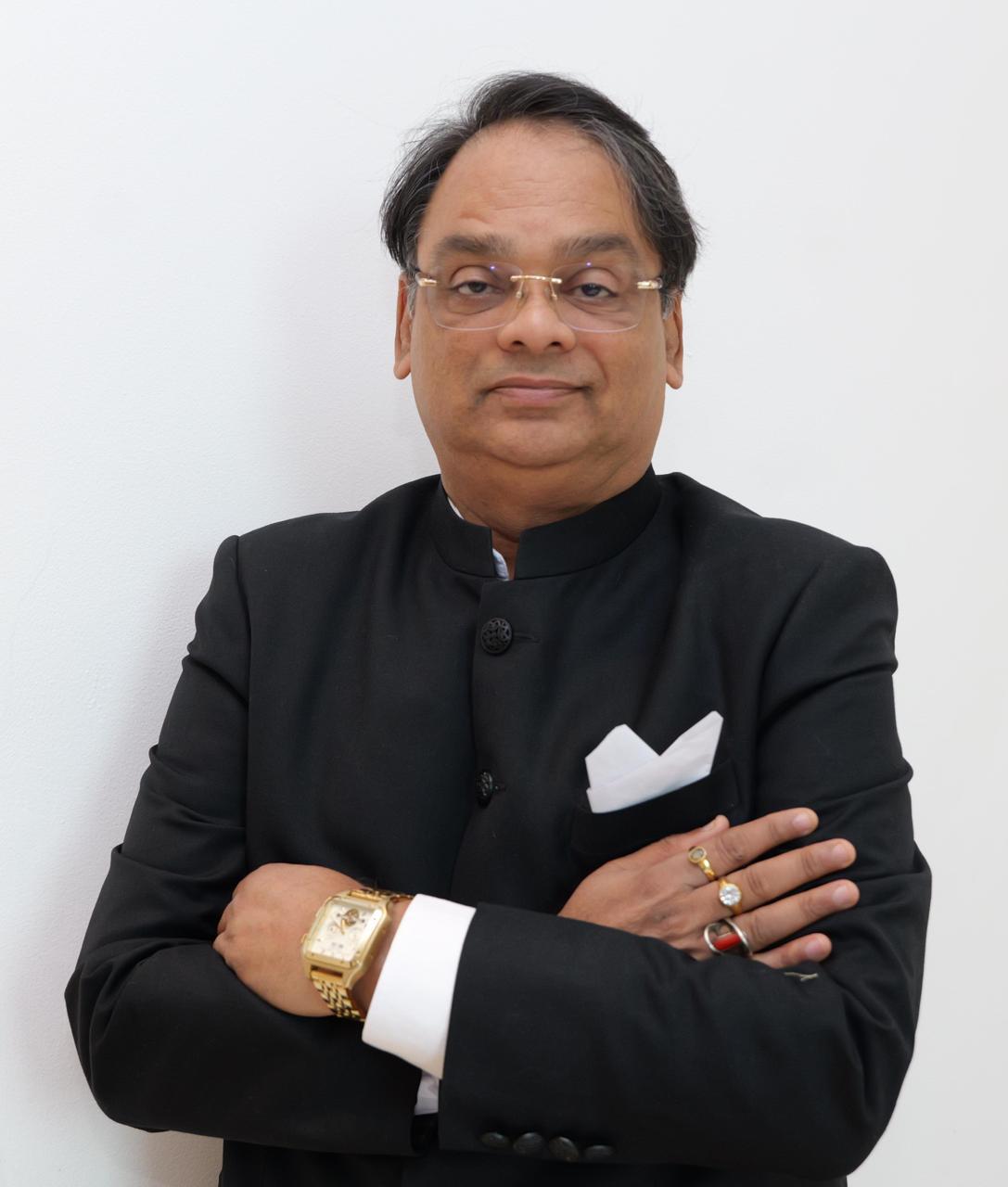
About the Author Dr. Jagannath Patnaik is a senior-most Vice-Chancellor and distinguished educational builder in India with over three decades of experience in higher education leadership and institution-building.
