
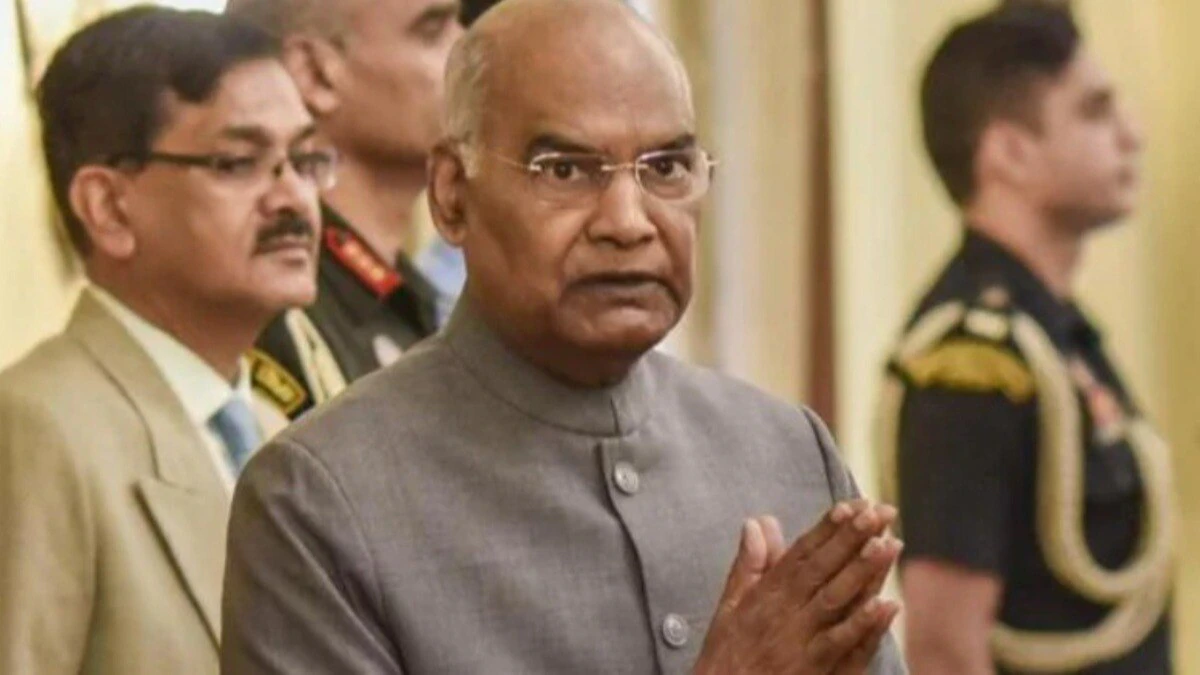
The recent acceptance of the high committee’s recommendations by the Union Cabinet, led by former President Ram Nath Kovind, has reignited discussions around synchronizing state and national elections in India. This proposal, which seeks to align local elections—including municipal and panchayat polls—with both state and national elections, addresses fundamental political issues that impact the very core of India’s democratic functioning.
Advocates argue that synchronizing elections could enhance voter participation, streamline electoral processes, and reduce the costs associated with frequent elections at different levels. Currently, staggered elections can lead to voter fatigue, diminished engagement, and a fragmented political landscape. By consolidating election dates, the government hopes to create a more vibrant and participatory democracy, encouraging citizens to become more involved in the electoral process.
Critics, however, caution that such a move may dilute the local governance focus, overshadowing regional issues in favor of national narratives. They also raise concerns about the potential centralization of political power, which could undermine the autonomy of local bodies.
As the debate unfolds, it remains to be seen how this proposal will impact the political dynamics across the country. If implemented, it could mark a significant shift in India’s electoral landscape, reshaping how citizens engage with democracy at multiple levels. The implications of such a change could be profound, influencing not only voter turnout but also the overall health of India’s democratic institutions.
