Subhechcha Ganguly
This project paper serves as a foundational overview of the rural administration landscape. For in-depth analysis, further research, and case studies can enhance understanding and implementation strategies tailored to specific contexts.
Abstract
Rural administration pertains to the governance, management, and service delivery in rural areas. This paper explores the structure, challenges, and best practices of rural administration, focusing on its importance for sustainable development and community empowerment. The study highlights the role of local governance, the participation of villagers, and the integration of technology in enhancing rural administration.
Introduction
Rural areas often face unique challenges that differ significantly from urban counterparts. These challenges may include inadequate infrastructure, lack of access to education and healthcare, unemployment, and financial services. Therefore, effective rural administration plays a crucial role in addressing these issues and promoting development.
Objectives
The primary objectives of this project paper are:
- To analyse the structure of rural administration.
- To identify the challenges faced in effective rural governance.
- To propose solutions and best practices for strengthening rural administration.
Structure of Rural Administration
Governance Framework
- Local Self-Government: In many countries, rural governance is organized through local self-government bodies such as Gram Panchayats in India. These bodies are responsible for decision-making and implementing development programs at the village level.
- Administrative Hierarchies: Rural administration often operates within a hierarchical framework, including various levels of government—from the central to the state and local levels. Each level has distinct roles in planning and executing development policies.
- Administrative Hierarchies Various government agencies are involved in rural development, such as the Department of Rural Development, Ministry of Agriculture, and Health Departments. Their functions include implementing schemes and facilitating access to resources.
Community Involvement
- Participatory Governance: Encouraging community participation is vital for effective rural administration. Local populations should have a voice in decision-making processes to ensure their needs and concerns are addressed.
- Capacity Building: Rural administration should invest in capacity building to empower local communities, equipping them with skills and knowledge to take charge of their development.
Challenges in Rural Administration
- Limited Financial Resources: Many rural administrations struggle with inadequate funding, making it difficult to implement and sustain development programs.
- Inefficiency and Corruption: Bureaucratic inefficiencies and corruption can hinder effective Inefficiency and Corruption governance, leading to resource misallocation and lack of trust among the local populace.
- Demographic Challenges: Rural areas often face issues such as youth migration to urban areas, which can deplete the workforce and reduce community participation.
- Infrastructural Deficits: Poor infrastructure, including roads, electricity, and communication systems, can impede development initiatives and access to services.
Best Practices in Rural Administration
- Use of Technology: Leveraging technology can improve service delivery and governance. e-Governance solutions, such as online portals for accessing services, can enhance transparency and efficiency.
- Capacity Development Programs: Conducting training sessions for local officials and community leaders can improve skills in governance and service delivery.
- Integrated Development Approaches: Fostering collaboration among various sectors (health, education, agriculture) can lead to a more comprehensive development strategy that addresses multiple needs.
- Monitoring and Evaluation: Establishing robust monitoring and evaluation systems helps track the progress of programs, allowing for timely adjustments and accountability.
Case Studies (Successful model examples are in annexure)
Case Study 1: Gram Panchayat Empowerment in India
In India, the 73rd Constitutional Amendment strengthened the Panchayati Raj system, empowering local self-governments in villages. This decentralization has improved local participation and accountability in rural development projects.
Case Study 2: Community Development in Bangladesh
The Community-Based Health Care program in Bangladesh illustrates how local health committees have successfully mobilized resources and addressed health needs
through community engagement and ownership, significantly improving health outcomes.
Conclusion
Rural administration is critical for ensuring that rural areas receive the attention and resources they need for development. By addressing the challenges faced and implementing best practices, rural governance can become more effective and responsive. Continued efforts to empower local communities and leverage technology will be essential in fostering sustainable rural development.
- Community Meetings: Photos of local government meetings or community forums where rural residents discuss issues and policies.
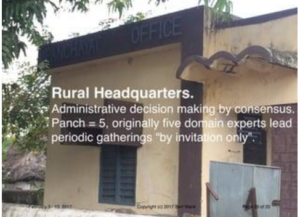
- Administrative Offices: Pictures of local administrative buildings, such as town halls or district offices, where rural governance happens.
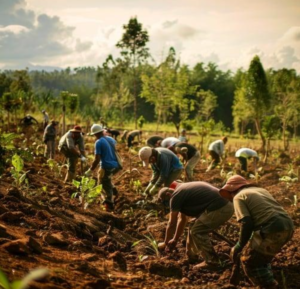
- Agricultural Activities: Images of farmers working in fields or at markets, illustrating the economic activities that rural administration supports.
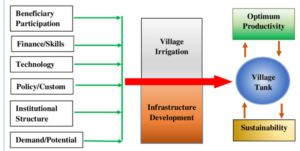
- Infrastructure Projects: Before and after photos of infrastructure developments like roads, bridges, and schools that have been completed with government support.
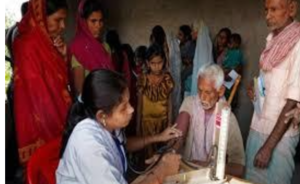
- Health and Education Services: Images of rural clinics, schools, or vocational training centers showcasing the services provided by rural administration.
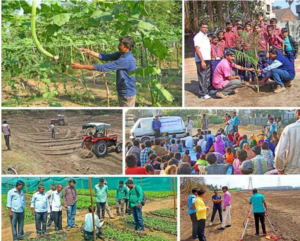
- Community Development Projects: Photographs of successful community projects funded or facilitated by local government, such as clean water initiatives or housing developments.

- Cultural Events: Pictures from local festivals or cultural events that promote community engagement and identity.
https://www.ruralhealthinfo.org/visualizations
- Statistical Graphics: Infographics or charts that depict demographic data, economic statistics, or health metrics relevant to rural areas.
References
– Government Reports on Rural Development
– Scholarly Articles on Rural Administration
– Case Studies on Successful Rural Governance Models
– Books on Decentralization and Local Governance
- C. SathishAssistant Professor in Sociology, Andaman Law College, Transport Bhawan, Phoenix Bay,Port Blair – 744 101, Andaman & Nicobar Islands
DOI:
https://doi.org/10.25175/jrd/2020/v39/i4/160670
Keywords:
Good Governance, Social Factors, Rural Development, Gram Panchayat.
Abstract
The Tamil Nadu Panchayat Act, 1994 was enacted to deliver good governance in Panchayati Raj Institutions. Despite more than two decades of democratic decentralisation, the Gram Panchayats face challenges in good governance due to devolution of powers, transparency and accountability. Against this backdrop, this article makes a pioneering attempt to examine the eight elements of good governance in Gram Panchayat for the purpose of learning and policymaking. The case study unfolds that the Gram Panchayat has succeeded in the elements of consensus-oriented, effectiveness and efficiency whereas it failed in participation, rule of law, equity and inclusiveness as well as responsiveness in good governance. The caste affinity, religious affiliation and class have influenced the Gram Panchayat president position to Panchayati Raj Institutions since 1994. The Gram Panchayat development activities consist of small savings, rainwater harvesting, rural sanitation, rural infrastructure, rural housing, environment and minority-majority relationship while it gave less importance to poverty, health, education and employment due to various socio-cultural, economic and political reasons, which influence as well as inhibit rural development in Gram Panchayat.
https://risda.org.bd/what-we-do/community-development/
Community Development Program
The program started its activities since 2096. To empower vulnerable people through involving community is the objective of community development program.
Our Approach
To end discrimination against women improve their quality of life, RISDA under its Vulnerable Group Development Program(VGD) enhances the productive income generating opportunities of VGD card holders(women)through providing life skill training on various income generating activities as well as on Nutrition, Primary Health, Human Rights, Reproductive Health, Gender, Environment issues etc. RISDA also creates credit provision and other support services for vulnerable women to empower them socially and economically and converts them into productive resources. Other program includes Early Childhood Care and Development, Non Formal Education, Nutrition, Water and Sanitation, Vulnerable Group Development (VGD), Food Security, Rehabilitation of Disabled people, Adaptation to Climate Change and Disaster Management.
Our Impact
Our Achievements up to June 2019
- 57,542+ Adults Received Literacy Numeracy Course
- 22032+ Children Received Non Formal Primary Education
- 60,000+ Patients Received Primary Treatment
- 565+ Youth Mobilized for Development
- 98000+ children provided school meal
- 28000+ Women Supported for Graduation from Poverty
- 12000+ Sanitary Latrine Installed
- 2000+ Tube Well Installed
- 2,00,000 + People Made Aware on Social Issues