Dikhyaa Mohanty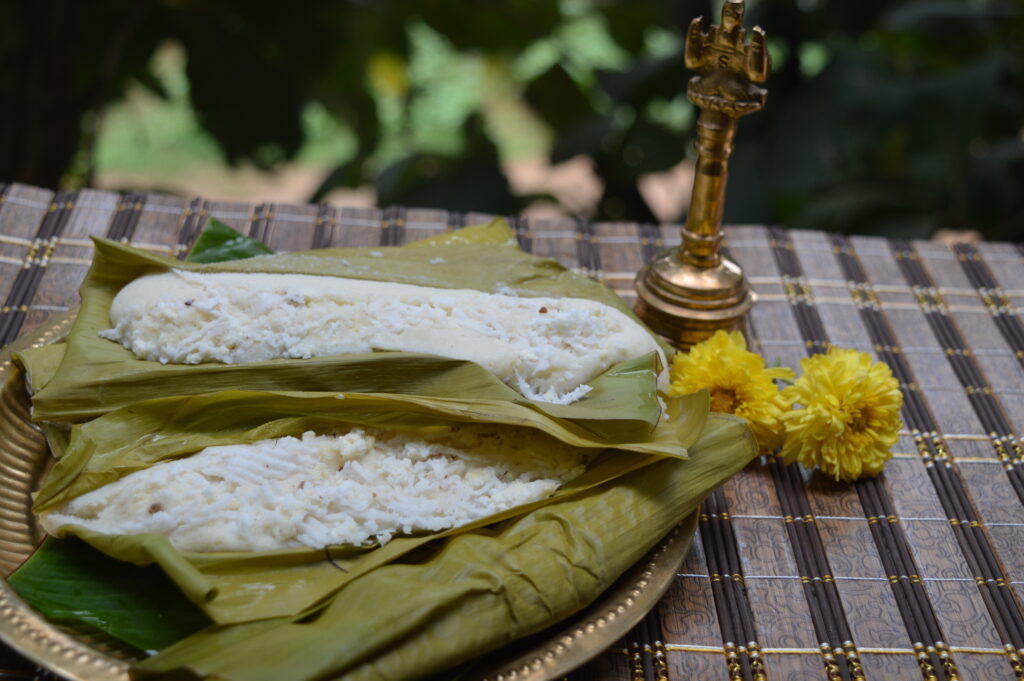
In Odisha, Prathamastami is a beloved family holiday that is celebrated every year to offer prayers for the health, wealth, and longevity of each family’s firstborn child. Prathama, which means first, and “Asthami,” which means the eighth day, are the two Sanskrit words from which the festival’s name is derived. According to the Odia calendar, the festival takes place during the Odia month of Margasira on the Asthami tithi of Krushna Paksha. Prathamastami is the name of the celebration for this reason.
Prathamastami, also called “Paruha Ashtami” in the local dialect, is observed on the eighth day of Krishna Paksha in the month of Margashira in the Hindu lunar calendar. The event pays tribute to the oldest child, who is often in charge of taking care of the family following the death of the parents and making sure that traditions and rituals are upheld. The eldest kid is significant since it is thought that they will be the ones to carry on the family’s legacy in the future.
Families offer prayers on this day to the goddess of children and longevity, Shashthi Devi, also called Jyestha Devi, for the long life and good health of their firstborn. Enduri Pitha, a traditional dessert consisting of rice flour, coconut, and jaggery wrapped in fragrant turmeric leaves, is the most famous of the unique sweet meals cooked in celebration of the oldest kid, who is also given new garments.
Prathamastami is important for agriculture as well. In Odisha, the event falls around the time when farmers celebrate the season’s harvest. This is one of the most auspicious seasons of the year because farmers feel lucky when their crops produce well, which is seen as a sign of wealth. Prathamastami is regarded as a people’s holiday that unites the ideals of agricultural plenty, spiritual devotion, and family duty. It is thought to have been observed in Odisha since the 14th century. Religious celebrations around the state highlight the festival’s rich cultural heritage.
A special ceremony is performed by Prathamastami at the hallowed Puri Jagannath temple. The holy relationship between Lord Jagannath and his maternal uncle, Madhabananda Jew, is celebrated on this unique day. According to custom, the firstborn in a family receives new clothing and treats from the maternal uncle’s home, signifying the love and care that uncles give to their nephews and nieces.
Following the daily morning rites, the Baruna Puja, a unique ceremony, brings the Jagannath temple to life on Prathamastami. The Niali Madhaba temple brings fresh garments and sweets as a sacrifice to the Trinity, which consists of Lord Jagannath, Lord Balabhadra, and Goddess Subhadra. To the satisfaction of followers, this rite has been revived after being stopped for a number of years.
The gods are given a lavish meal on this auspicious day, which includes the delicious “Enduri pitha.” Traditionally made on Prathamastami, this steamed rice dumpling is filled with coconut and molasses and covered in turmeric leaves. A unique offering to the Trinity, the “Enduri pitha” represents the commitment and affection of the believers.