Subhechcha Ganguly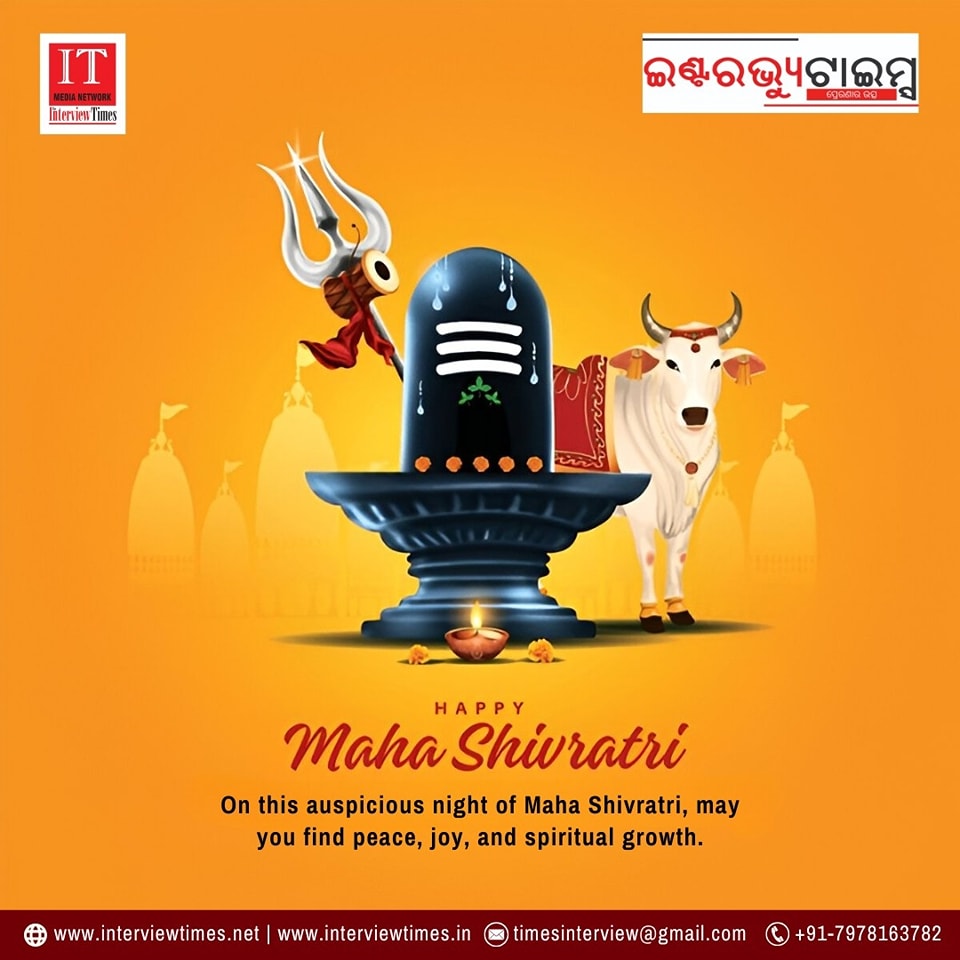
Maha Shivratri, the “Great Night of Shiva,” is one of the most significant and revered festivals in Hinduism, dedicated to Lord Shiva, the deity of destruction and transformation. Celebrated annually on the 13th night and 14th day of the dark fortnight of Phalguna, it holds profound spiritual importance. The festival symbolizes the triumph of light over darkness and knowledge over ignorance, with devotees seeking Lord Shiva’s blessings for spiritual growth and liberation. It is believed that on this sacred night, Lord Shiva performed the cosmic dance (Tandav), representing the cycles of creation, preservation, and destruction that govern the universe. Devotees observe this night with fasting, prayers, and meditation to seek inner peace, prosperity, and freedom from the cycle of birth and death. The night is considered to hold extraordinary energy, making it an opportune time for those on a spiritual path to deepen their connection with the divine and cleanse their soul.
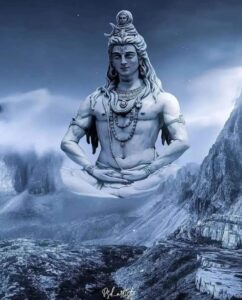
The significance of Maha Shivratri is rooted in various legends, the most popular of which revolves around the marriage of Lord Shiva and Goddess Parvati. According to Hindu mythology, Parvati’s deep devotion and penance led Lord Shiva to accept her as his consort, symbolizing the union of the divine masculine and feminine forces. Another widely told myth recounts how Lord Shiva drank the deadly poison (halahala) during the churning of the ocean (Samudra Manthan) to save the universe from its destructive effects. This act of self-sacrifice and protection highlights Shiva’s role as the eternal protector and savior. Thus, Maha Shivratri is not just a celebration of Lord Shiva’s power but also of his compassion and commitment to the welfare of the universe. The day is marked by numerous rituals and ceremonies aimed at honoring Lord Shiva and his transformative energies, allowing devotees to connect with his divine essence on a deeper level.
The rituals observed during Maha Shivratri are an essential part of the festival. Devotees often fast, some abstaining from food and water, while others consume only fruits or milk. The act of fasting is believed to purify the body and focus the mind on devotion. The night is spent in worship, prayers, and meditation, with many temples hosting a continuous vigil known as “Jaagran.” Devotees chant mantras, particularly the powerful “Om Namah Shivaya,” and offer Bilva leaves to the Shiva Lingam, a symbol of Lord Shiva. The offering of these leaves is considered highly auspicious and is believed to bring blessings and purification. In addition, devotees engage in collective rituals, including the recitation of the Shiva Ashtakshara mantra and the performance of elaborate pujas. The spiritual practices performed during Maha Shivratri are not only intended to honor Lord Shiva but also serve as a path to spiritual awakening and liberation. For many, this night is seen as an opportunity to cleanse the soul, renew their commitment to spiritual growth, and seek Lord Shiva’s blessings for a peaceful and prosperous life.
- Farmers Have Right To Protest, Suggests Centre Put Farm Law In Hold: Supreme Court
- Breaking: Hardik Patel Quits Congress
- Shah Rukh Khan Arrives Modestly in New York for Met Gala Debut — No Entourage, Just One Suitcase
- In Conversation with Promila Devi Sutharsan Huidrom on The Immigration issue of India