
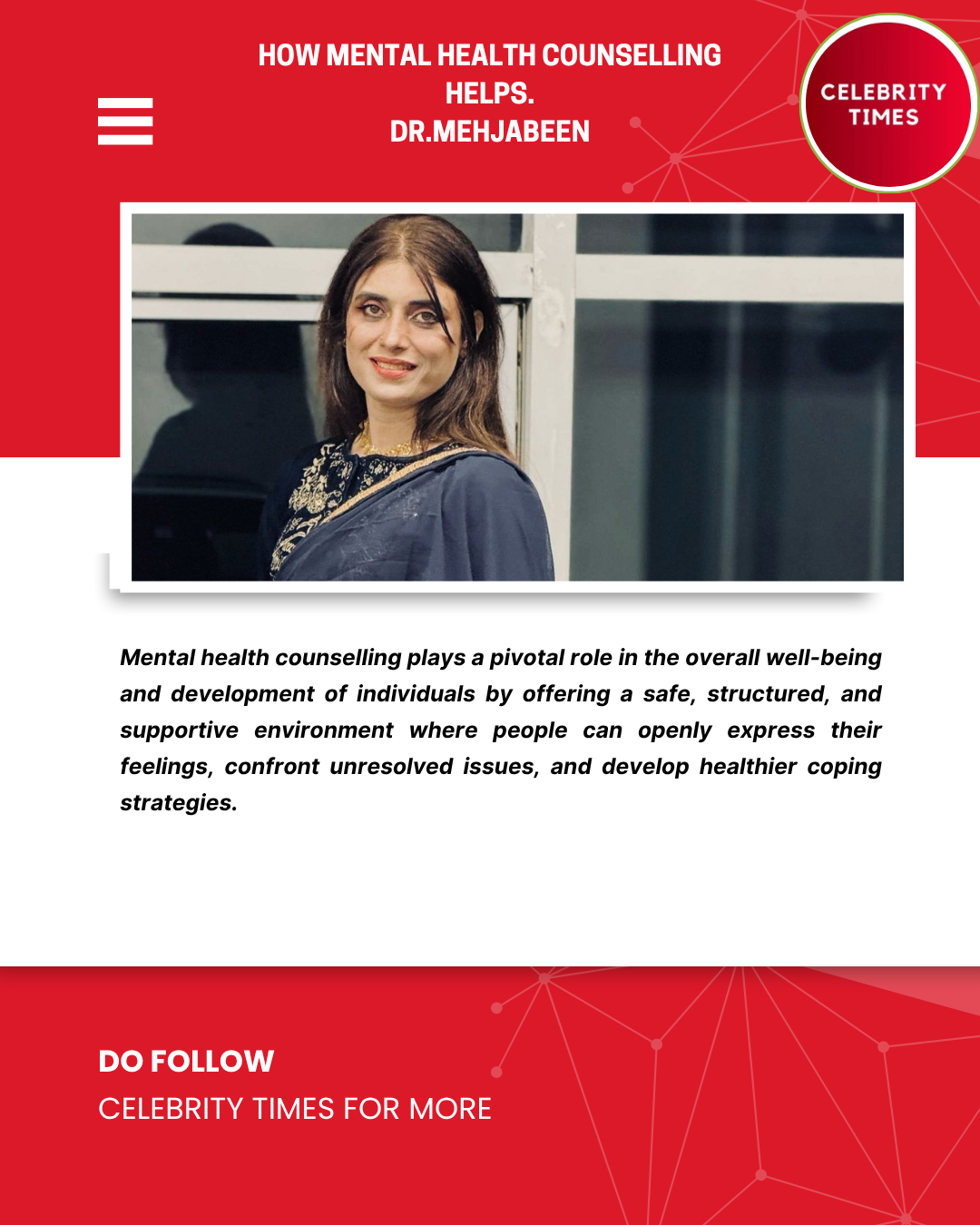
Mental health counselling plays a pivotal role in the overall well-being and development of individuals by offering a safe, structured, and supportive environment where people can openly express their feelings, confront unresolved issues, and develop healthier coping strategies. In today’s fast-paced, highly stressed world, mental health struggles such as anxiety, depression, trauma, relationship difficulties, low self-esteem, grief, and chronic stress are increasingly common. However, these issues are often stigmatised or misunderstood, leaving many individuals feeling isolated and helpless. This is where counselling steps in as a transformative, empowering, and healing process. Through professional mental health counselling, individuals are given the opportunity to gain insight into their thoughts, behaviour’s, and emotions, recognise maladaptive patterns, and make meaningful changes to improve their psychological, emotional, and even physical health.
Counselling provides a structured therapeutic relationship between a trained mental health professional and the client. This relationship is rooted in empathy, trust, non-judgment, and confidentiality. One of the most profound benefits of counselling is the creation of a safe space an environment where clients can express themselves without fear of criticism or shame. Many people carry emotional burdens or traumatic memories they have never shared with anyone. In counselling, clients often, for the first time, articulate their pain, confusion, or emotional distress. This act of expression alone can be a major first step toward healing. The mere process of talking about one’s inner world can provide emotional release and clarity, reducing the overwhelming nature of the problem.
In addition to providing emotional release, counselling helps people gain deeper self-awareness. It allows individuals to step back and reflect on their lives with the guidance of someone trained to recognise psychological patterns and dynamics. A good therapist acts like a mirror, helping clients identify their core beliefs, thought patterns, and behaviour’s that may be contributing to their distress. For instance, someone struggling with repeated relationship failures might come to recognise a deep-rooted fear of abandonment or unresolved issues from childhood. Once these unconscious internal conditioning are brought into awareness, clients can begin to process them and work toward healthier relationships and choices. In this way, counselling facilitates self-discovery, personal growth, and emotional maturity.
Counselling is also highly effective in teaching practical coping skills. Often, individuals may not know how to handle stress, manage anger, deal with loss, or communicate effectively. Counselling equips them with tools such as relaxation techniques, mindfulness, assertiveness training, emotional regulation strategies, and problem-solving skills. For individuals with anxiety or panic disorders, cognitive-behavioral therapy (CBT) can be particularly effective in challenging irrational fears and gradually reducing anxiety symptoms. Those dealing with trauma might benefit from trauma-informed therapy, where they learn how to safely process and integrate painful memories. Similarly, people dealing with grief can learn how to move through their mourning process without becoming emotionally stuck. The skills acquired in counselling not only help people manage immediate problems but also prepare them to handle future challenges with greater inner strength.
Another significant benefit of mental health counselling is the improvement of interpersonal relationships. Our mental and emotional well-being is closely tied up to how we connect with others be it family, friends, partners, or colleagues. Mental health challenges often strain these relationships, leading to conflict, withdrawal, or dysfunction. In counselling, individuals learn better ways to communicate, set boundaries, empathise with others, and cope with interpersonal issues. Couples counselling and family therapy, in particular, address the dynamics within relationships, strengthen greater understanding, connection, and healing between individuals. By addressing underlying emotional pain and improving relational patterns, counselling helps clients rebuild trust and intimacy in their relationships.
Counselling is also an essential tool in the management of mental illnesses such as depression, bipolar disorder, obsessive-compulsive disorder (OCD), borderline personality disorder, and more. While medication can help manage symptoms, counselling goes further by addressing the root causes of distress and supporting behavioural change. Therapists work collaboratively with clients to understand the nature of their illness, develop treatment goals, and ensure a sense of self direction in the healing process. This therapeutic relationship empowers individuals, helping them reclaim control over their lives. Moreover, counselling provides a continuity of care, and self focused, especially during life transitions—be it divorce, career changes, or pain of losing a loved ones,It offers consistency, emotional support, and guidance, which can be invaluable in coping with complex life events.
The impact of counselling extends beyond the individual to the wider community. When people are mentally healthy, they are more productive, engaged, and empathetic citizens. They contribute positively to their families, workplaces, and society at large. Counselling also helps reduce the burden on healthcare systems by preventing the escalation of mental health issues into more severe conditions. Early intervention through counselling can prevent suicide, reduce substance abuse, and decrease the likelihood of hospitalisations. This preventive approach not only saves lives but also promotes a culture of mental wellness and emotional literacy. In schools, counselling can help students manage academic pressure, bullying, identity issues, and developmental changes, thereby improving their learning outcomes and self-confidence. In the workplace, counselling services can enhance employee satisfaction, reduce burnout, and create psychologically safe environments.
Cultural competence in counselling is another vital aspect, as it allows therapists to understand and respect the diverse backgrounds of their clients. People from different cultural, religious, and ethnic groups may have unique mental health challenges and stigmas. Culturally sensitive counselling bridges these gaps, providing support that is respectful and attuned to the client’s worldview. This inclusivity allows for a broader reach, ensuring that everyone, regardless of their identity, can access the mental health support they need.
Importantly, mental health counselling also plays a role in breaking the stigma surrounding emotional struggles. By normalising the act of seeking help, counselling helps change public perception and encourages more people to prioritise their mental well-being. As more individuals come forward and share their stories of recovery, positive energy spreads from one to another, promoting awareness, compassion, and collective healing. Counselling challenges the notion that needing help is a sign of weakness and instead affirms that it is a courageous and wise step toward living a more fulfilling life.
In conclusion, mental health counselling is a powerful, life-enhancing process that helps individuals heal, grow, and thrive. It offers a confidential and supportive space to explore emotions, gain self-awareness, develop coping skills, and improve relationships. Whether one is facing a specific crisis or seeking personal development, counselling provides tools and insights that inspire’s emotional strength and inner peace. Its impact resonates not only within the individual but also within families, schools, workplaces, and society as a whole. In a world where emotional challenges are increasingly Universal, counselling stands as a beacon of hope, connection, and transformation. Choosing to seek counselling is not a sign of weakness, but a bold act to creating self-love strength an investment in a healthier, more empowered future.
Dr Mehjabeen
Founder Vision High Mental Health Wellness
www.drmehjabeenvisionhigh.com
dr_mohammedmehjabeen
