
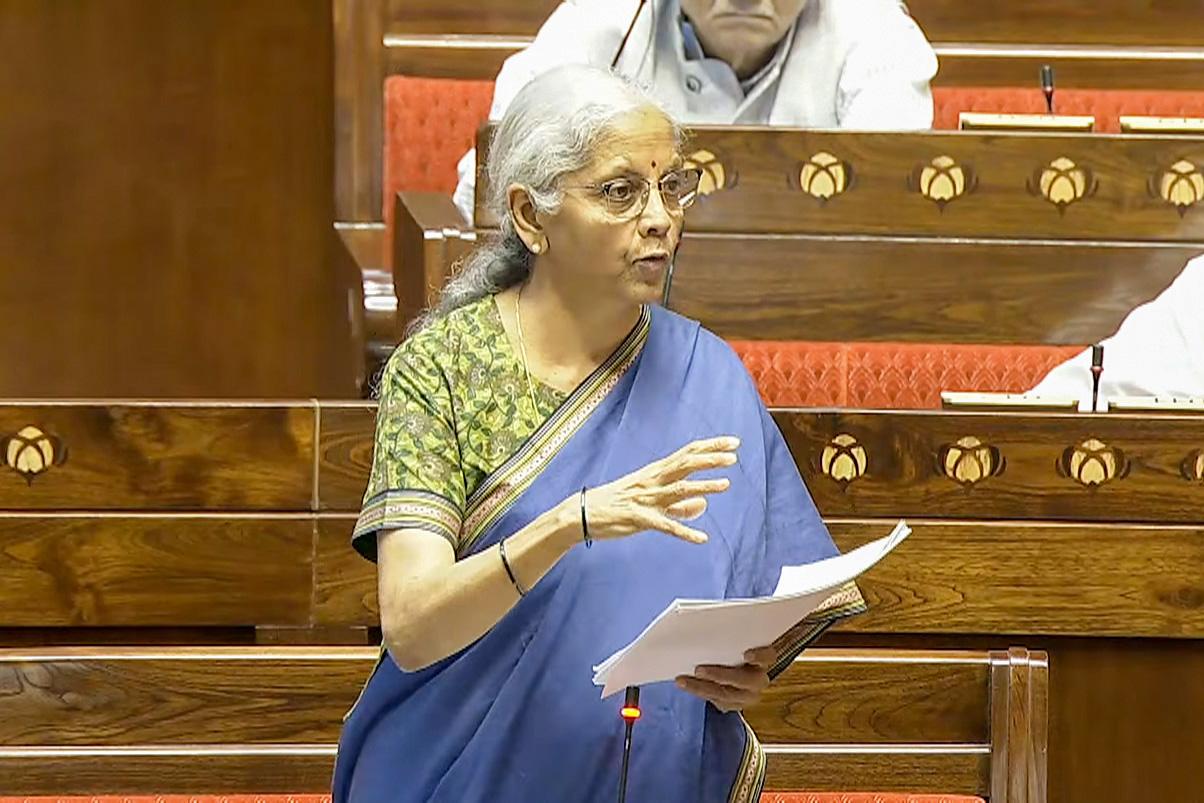
New Delhi, August 11, 2026: Parliament has passed the Taxation and Other Laws (Amendment) Bill, 2026, completing the parliamentary process after the Rajya Sabha returned the Money Bill to the Lok Sabha following discussion. The legislation will now go for Presidential assent.
One of the biggest points of public interest has been the amendment concerning electronic payments and UPI. The change does not itself impose a tax or transaction charge on UPI. Finance Minister Nirmala Sitharaman told the Rajya Sabha that UPI payments will remain free for consumers and said the government does not intend to impose Merchant Discount Rate (MDR) charges on small merchants.
However, the amendment changes the legal framework governing which electronic payment modes receive statutory protection from charges. This gives the Centre greater flexibility to specify the protected modes through notification, which has led to concerns that a future MDR framework could potentially be introduced for some transactions. No such UPI charge has been imposed by the Bill itself.
The legislation also contains several tax measures aimed at attracting investment and supporting electronic manufacturing, including provisions relating to foreign investment funds, government securities, diamond businesses, electronics manufacturing and data centres.
Why it matters: UPI is used by hundreds of millions of Indians, so any change to the framework governing digital-payment charges has direct implications for consumers, merchants and India’s digital economy.
