
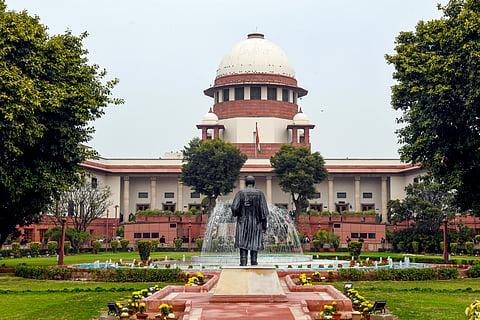
The Supreme Court of India has affirmed that access to and use of the internet is a fundamental right, including for children, while cautioning against blanket restrictions on children’s online activity as a means of preventing sexual exploitation and abuse.
The observation was made by a Bench comprising Justices J. B. Pardiwala and K. Vinod Chandran in an order dated 15 October, which received wider media attention on 17 and 18 October. The Court linked internet access to Article 21, which protects life and personal liberty, and Article 19(1)(a), which guarantees freedom of speech and expression.
The development is significant as India and governments worldwide grapple with how to protect children from online harm without unnecessarily restricting access to education, information and communication.
What was the case about?
The matter arose from applications seeking stronger action against the circulation of child sexual exploitation and abuse material online. The applicants, including the child-rights organisation Just Rights for Children Alliance, raised concerns about social media platforms’ obligations to detect, report and remove such material.
The proceedings brought two important issues into focus: the need for effective protection against online exploitation and the constitutional implications of restricting children’s access to the internet.
The Court made clear that children’s safety and their freedom to access the internet should not be treated as mutually exclusive objectives. A blanket ban, it warned, is not an adequate solution to the risks posed by harmful online material.
Why blanket restrictions may not work
Children use the internet for education, communication, creative expression and access to information. Broad restrictions could prevent legitimate activities along with harmful ones.
The Court’s reasoning highlights the need for safeguards that address specific risks rather than removing access altogether. Age-appropriate settings, parental involvement, effective content moderation and stronger reporting systems can form part of a more targeted approach.
Such measures must also recognise that children have constitutional rights. Protecting them from exploitation does not automatically justify treating all internet access as dangerous.
The ruling does not mean that every type of online content is permissible or that platforms are exempt from their legal responsibilities. Instead, it places emphasis on balancing access and freedom with effective protection against abuse.
Greater responsibility for digital platforms
The Court also addressed the importance of stronger mechanisms for identifying and removing illegal material. It directed the Centre to create a national database of digital identifiers and URLs linked to confirmed abusive material to support detection and removal.
A coordinated approach could help authorities and platforms identify known illegal material more efficiently. However, the effectiveness of such systems will depend on implementation, accuracy and appropriate safeguards.
Platforms will continue to face pressure to improve their reporting procedures, respond to unlawful content and cooperate with authorities under applicable law. At the same time, digital rights advocates have long stressed the importance of due process and avoiding unnecessary restrictions on lawful expression.
What does the ruling mean for parents and young users?
For families, the decision reinforces the importance of safer internet use rather than assuming that a complete prohibition is the only way to protect children.
Parents, schools, technology companies and government agencies each have a role in building safer digital environments. Education about online privacy, recognising manipulation, reporting abuse and using age-appropriate safety tools can complement platform-level safeguards.
The order also contributes to the wider debate about children’s digital rights, an issue gaining importance as education, entertainment and social interaction increasingly take place online.
The wider significance
The Supreme Court’s observations place the protection of children and the right to access information within the same constitutional conversation. They suggest that online safety measures should be proportionate, targeted and effective rather than relying on blanket exclusion.
The practical impact will depend on how the Centre, online platforms and other stakeholders implement stronger detection and reporting systems while protecting legitimate access.
The ruling is therefore an important development in India’s evolving approach to digital rights, child protection and the responsibilities of technology companies.
Sources
