

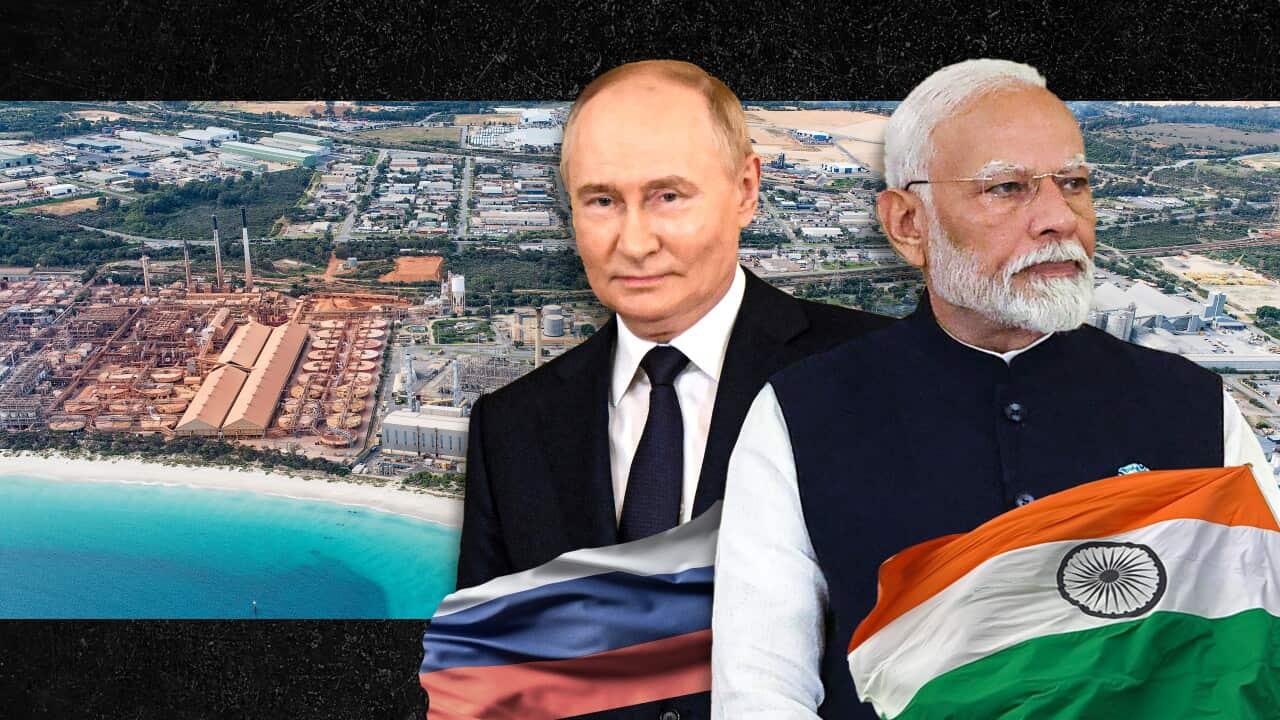
A major geopolitical and economic development involving India, the United States and Russia has emerged as one of the most consequential international stories for India on September 17, 2026. The US House of Representatives has passed legislation that would give President Donald Trump authority to impose tariffs of up to 100% on countries purchasing Russian oil and gas. India, one of the world’s major importers of Russian crude, has responded by reaffirming that its energy security and economic interests remain central to its decision-making.
The legislation, known as the Lindsey O. Graham Sanctioning Russia and Iran Act of 2026, passed the US House by a vote of 262–159. The bill had already cleared the Senate and now requires presidential action before becoming law. If implemented, the measure could significantly increase pressure on countries that continue purchasing Russian energy.
The development is particularly important for India because Russian crude has become a major component of India’s energy-import mix. India has continued purchasing Russian oil while simultaneously maintaining energy and diplomatic relationships with the United States and other Western countries.
India’s Ministry of External Affairs said New Delhi has taken note of the legislation and has previously communicated its concerns to US interlocutors. The government reiterated that India is committed to ensuring reliable and affordable energy supplies for its population through diversified sourcing and changing market conditions. It also indicated that India would take necessary measures to protect its trade and economic interests.
The potential consequences extend beyond the diplomatic sphere. India is the world’s third-largest oil importer, meaning changes in the cost or availability of crude can influence transportation, manufacturing, inflation and household expenses. Analysts have warned that tariffs affecting major Russian-oil buyers could also reshape global oil flows and potentially increase pressure on international crude prices.
Indian refiners are also closely watching the situation because existing oil contracts and future purchases could become more complicated if secondary tariffs are introduced. Any substantial disruption in Russian supplies could require refiners to increase purchases from alternative suppliers, potentially altering procurement costs and logistics.
The issue also comes at a sensitive moment for India-US economic relations. The two countries have been engaged in discussions over trade and market access, while India has continued balancing its relationships with Washington and Moscow.
The latest development therefore creates a complex international policy challenge involving energy security, trade, sanctions and diplomatic relations. For India, the immediate question is how the proposed US measures will ultimately be implemented and whether exemptions or other arrangements will be available.
For consumers and businesses, the key issue will be whether the legislation produces a significant change in India’s crude-import pattern and, consequently, affects fuel and broader energy costs.