
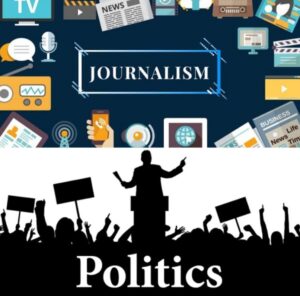
Journalism and politics are two fundamental pillars of a functioning democracy, each with its distinct role yet deeply interconnected in ways that shape public discourse, policy, and society at large. This intricate relationship forms the backbone of how information is disseminated, and decisions are influenced in democratic settings. Journalists, the watchdogs, hold powerful figures accountable. Politicians, the wrestlers in the ring, vie for public support and influence policy. But this is just one act in a more complex play. Here’s how journalism and politics are intrinsically linked, despite their differences.
The Watchdog’s Role: Informing the Public
Journalism serves as the watchdog of democracy, tasked with the objective reporting of news, investigation of facts, and holding power to account. Its primary mission is to inform the public, provide a platform for debate, and ensure transparency. Ethical journalism is grounded in principles of accuracy, fairness, and impartiality. Journalists aim to provide a comprehensive picture of events, helping citizens make informed decisions.
Journalism thrives on objectivity, striving to present facts without bias. Reporters investigate, gather information, and present stories that keep the public informed about the political landscape. This empowers citizens to make educated decisions about who to elect and what policies they support. Investigative journalism exposes corruption and wrongdoings, ensuring politicians are held to a higher standard.
The Wrestler’s Stage: Shaping the Narrative
Politics on the other hand, is the arena where power is contested and decisions about public policies are made. Politicians are elected representatives who debate, create, and implement laws and policies that govern society. Their role involves persuasion, negotiation, and often, the pursuit of ideological goals. Politics is inherently subjective, driven by differing opinions and interests that shape governance.
Politicians, on the other hand, are inherently persuasive. They craft narratives, frame issues, and use media appearances to shape public opinion in their favor. Press conferences and interviews become stages for them to control the message. This can sometimes lead to clashes with journalists who seek a more balanced perspective.
The Intertwined Dance: A Symbiotic Relationship
Despite their differences, journalism and politics rely on each other. Politicians need media to reach voters, while journalists require access to politicians for information. This co-dependence can be a double-edged sword. Journalists granted exclusive access might feel pressure to soften their criticism, while politicians might try to manipulate media coverage.
Points of Intersection
- Media as a Political Actor: Journalists often influence politics through their reporting. Investigative journalism can expose corruption, prompt policy changes, and shape public opinion. Media coverage can elevate political issues, sway voters, and even determine the success or failure of political campaigns.
- Politicians and the Media: Politicians use the media to communicate with the public, articulate their policies, and respond to events. Media appearances and press releases are crucial tools for gaining visibility and support. The relationship is symbiotic but can also be contentious, as politicians may criticize media coverage they perceive as unfavorable.
- Public Opinion and Agenda Setting: Journalists play a critical role in setting the public agenda by choosing which stories to highlight. This, in turn, influences political priorities. When the media focuses on specific issues, such as healthcare or immigration, it pressures politicians to address these topics, thereby shaping legislative agendas.
- Transparency and Accountability: Journalism enhances political accountability by scrutinizing government actions and decisions. Investigative reports and fact-checking efforts expose misconduct and inform the electorate, which is essential for democratic accountability.
- Crisis and Communication: During crises, such as natural disasters or political scandals, the media becomes a crucial conduit for information. Politicians rely on journalists to disseminate information quickly and accurately, while journalists depend on access to officials to provide timely updates.
The Challenges: Maintaining Integrity
The rise of social media and partisan news outlets has blurred the lines between objective reporting and opinion. Journalists must work harder to fact-check and avoid becoming pawns in political agendas. Politicians, too, face the challenge of misinformation and the need for transparency in a fast-paced media environment.
The interplay between journalism and politics is not without challenges:
Bias and Objectivity: Maintaining journalistic objectivity can be difficult in a highly polarized political environment. Accusations of media bias can undermine public trust and affect the credibility of news organizations.
Access and Independence: Journalists need access to political figures and information, but this can sometimes compromise their independence. Politicians may attempt to manipulate media coverage through strategic leaks or press management.
Economic Pressures: The media industry faces economic challenges that can impact the quality of journalism. Budget cuts and the race for ratings can lead to sensationalism or the underreporting of important but less sensational stories.
Information Overload: The rise of digital media and social networks has led to an information overload, where distinguishing credible news from misinformation becomes a critical task for both journalists and the public.
The Importance of the Dance: A Healthy Democracy
A healthy democracy depends on a robust and independent press holding power to account. When journalism thrives, citizens are empowered. Politicians, forced to operate under scrutiny, are more likely to be responsive to the public’s needs.
The dance between journalism and politics may be complex, but it’s a vital one. By understanding these intertwined roles, we, the audience, can become more discerning consumers of information, ensuring a more informed and engaged citizenry.
