
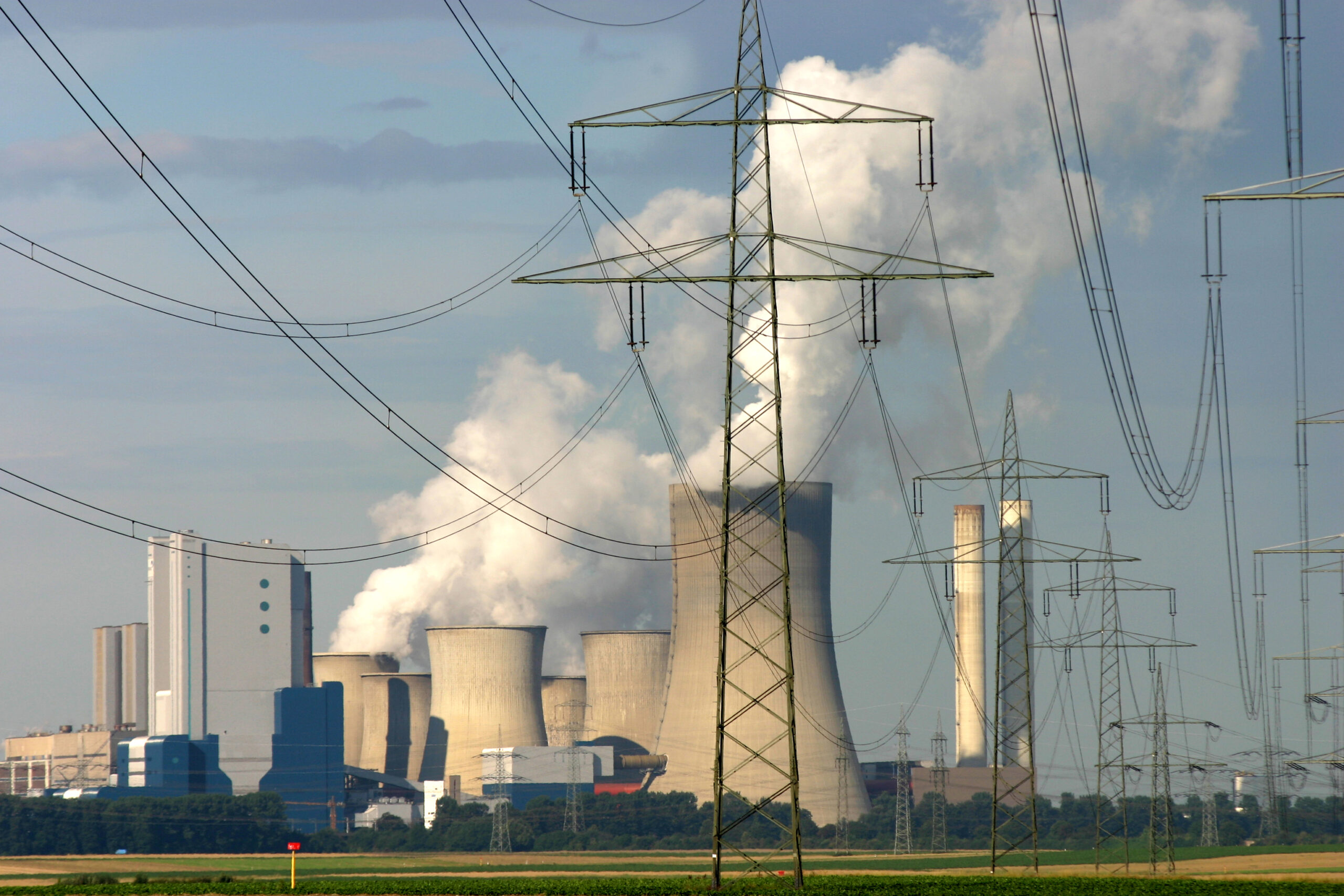
Odisha is powering ahead with a bold new step in energy infrastructure. Orissa Thermal Energy Limited (OTEL) is setting the stage for a major economic boost with its proposal to establish a ₹18,450 crore ultra-supercritical thermal power plant in the state’s Cuttack district. This 2,400 MW facility, which received clearance from the State Level Single Window Clearance Authority (SLSWCA), is not just a significant investment in power production — it represents a broader vision for industrial support, employment, and regional upliftment.
The scale of this project is substantial. OTEL plans to develop three units of 800 MW each, utilizing ultra-supercritical technology, a modern advancement in thermal power generation that offers greater efficiency and lower emissions. The plant is to be built in the Athagarh subdivision of Cuttack, a strategic location that provides close access to raw materials, transport corridors, and major industrial consumers. With Odisha’s energy needs rising alongside expanding steel, aluminum, and petrochemical sectors, this plant aims to become a key component of the state’s power ecosystem.
A crucial dimension of this project is employment. The OTEL facility is expected to create approximately 8,100 direct and indirect jobs, spanning construction, plant operations, logistics, and administrative functions. This will offer a significant livelihood boost to the surrounding communities. More importantly, it will foster an economic ripple effect. As new workers arrive and local suppliers engage with the project, support industries such as food services, accommodation, maintenance, and security will flourish, spurring small business growth and increasing disposable income in the region.
From an infrastructure standpoint, this power plant will help bridge the energy supply-demand gap that is becoming more apparent with Odisha’s fast-paced industrialization. The surge in mega-industrial projects, including JSW’s steel plant, Indian Oil’s petrochemical complex, and various aluminum and cement units, requires a stable, large-scale source of electricity. The 2,400 MW that OTEL’s plant will supply is expected to directly support these industrial consumers, as well as strengthen Odisha’s ability to export surplus power to neighboring states, adding to the state’s revenue streams.
Environmentally, the project marks a shift toward cleaner coal energy production. Ultra-supercritical thermal technology operates at higher temperatures and pressures, which significantly improves the thermal efficiency of the plant. This results in lower coal consumption per unit of power generated, and consequently, reduced carbon dioxide emissions compared to traditional subcritical power plants. OTEL is also expected to implement comprehensive environmental safeguards, including Flue Gas Desulfurization (FGD) systems to limit air pollutants, zero-liquid discharge mechanisms, and the creation of green belts to mitigate ecological impact.
Government support has played a crucial role in facilitating this development. The approval from SLSWCA reflects Odisha’s business-friendly policy environment and streamlined industrial clearance processes. Under the guidance of the Industrial Promotion and Investment Corporation of Odisha (IPICOL), such projects are receiving faster land and regulatory approvals. The state’s broader industrial policy has emphasized infrastructure development, investor facilitation, and sector-specific incentives, which have helped attract capital-intensive ventures like OTEL’s thermal project.
Beyond economics and environment, the plant has the potential to significantly impact regional development. Cuttack, already a historic urban center, is poised to become an even more important node in Odisha’s industrial map. The project will likely trigger improvements in transport networks, housing, healthcare, and educational institutions in the surrounding areas, enhancing the overall quality of life. Additionally, OTEL is expected to carry out Corporate Social Responsibility (CSR) initiatives that benefit local communities, particularly in areas such as health camps, education drives, and vocational training for youth.
This development also reflects Odisha’s balanced approach to energy planning. While the state is investing in renewable energy — with several solar parks and green mobility initiatives underway — it recognizes the need for base-load power stability, which coal-based plants are currently best equipped to provide. By integrating cleaner thermal technologies with ongoing solar and hydro efforts, Odisha is crafting an energy strategy that is both practical and forward-looking.
In the broader context of India’s power needs and decarbonization goals, the OTEL project offers a model of transitional infrastructure — a bridge between the present and the future. It shows how existing energy sources can be made cleaner and more efficient while the groundwork for renewables continues to expand.
As the project moves toward execution, all eyes will be on implementation timelines, environmental compliance, and community engagement. But if executed as envisioned, this ₹18,450 crore thermal power plant could become a cornerstone of Odisha’s industrial growth and energy reliability, lighting up not just factories, but futures.
