
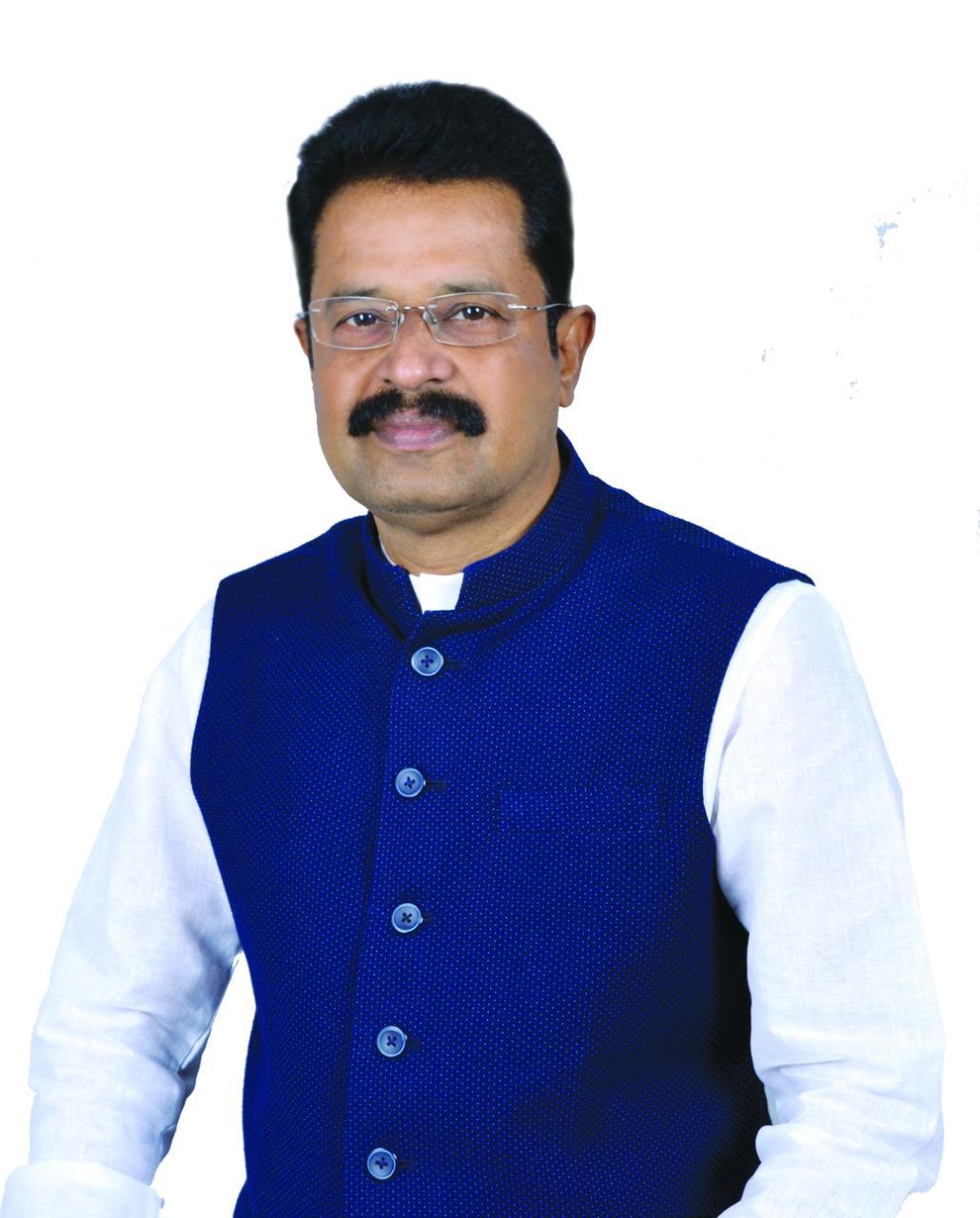
From affordable farm finance and stronger village cooperatives to Koraput coffee’s BRICS recognition, Er Iswar Chandra Panigrahi discusses what it takes to turn rural potential into better livelihoods.
By Snigdha Mishra | The Interview Times

Koraput coffee has travelled into conversations far beyond the hills where it is grown. Its appearance at the BRICS gathering offers a striking image of a region finding a wider audience. But behind that recognition lies a more practical question: what will help the people who cultivate the land earn a better living?
For Er Iswar Chandra Panigrahi, President of Koraput Central Cooperative Bank, the answer begins close to the farmer—with credit available when it is needed, seeds and fertilisers arriving on time, and village institutions capable of explaining both the opportunities and responsibilities that come with borrowing.
In a conversation with The Interview Times, he connects these everyday needs with a larger ambition for rural enterprise. His perspective spans cooperative banking, coffee cultivation and agricultural inputs: he also serves as President of the Odisha Coffee Growers Association and is a former Chairman of the Odisha State Seeds Corporation.
Across these responsibilities, a recurring concern emerges: how can local institutions help farmers and women’s groups make better use of the opportunities around them?
Where His Cooperative Journey Began
Recalling his entry into the cooperative sector around 15 years ago, Er Panigrahi describes farmers borrowing money at high interest and later selling their harvest to the same lenders at low prices. It was a cycle in which access to money could come at the cost of bargaining power over the crop.
His account of cooperative banking begins with the alternative that institutional finance can provide. A farmer needs money at the right stage of cultivation, alongside access to essential inputs. For small and marginal cultivators, the timing of that support is central to its usefulness.
Local cooperative societies are the link through which much of this assistance reaches borrowers, he explains. In the undivided Koraput region, the network includes Adivasi multipurpose cooperative societies commonly known as LAMPS.
The bank’s service area covers Koraput, Nabarangpur, Malkangiri and Rayagada, placing these village institutions at the centre of its relationship with a geographically extensive rural population. koraputccb.bank.in
Affordable Credit Needs Informed Borrowers
Er Panigrahi repeatedly returns to the need for greater awareness at village level.
“It requires more and more awareness among the people.”
Farmers need to understand when to apply for a loan, when repayment falls due and how repayment affects their eligibility for interest concessions. During the interview, he describes interest relief on eligible crop loans up to ₹1 lakh and concessional financing up to ₹3 lakh, stressing timely repayment and the applicable conditions.
He also links repayment awareness to the financial relationship between cooperative societies and the bank. Delays, he explains, can deepen imbalances within that system. More active societies and closer engagement with borrowers are therefore part of his priorities.
Periodic meetings and video conferences, he says, help review how finance is reaching farmers. His emphasis is on maintaining contact with the institutions responsible for delivering that support locally.
The Right Crop for the Right Place
When discussing agricultural priorities, Er Panigrahi frames the issue through a straightforward question: “Which crop is viable in which area?”
He points to coffee, pepper and other spices in suitable locations, alongside maize and paddy in others. The choice, in his view, should reflect local soil, climate and growing conditions.
He says the bank finances coffee farmers and has advocated crop diversification suited to different areas. He also acknowledges the difficulties cultivators face in selling their produce. Production and marketing, in this account, belong to the same discussion about farm incomes.
That makes diversification more than a change in what is planted. Its value ultimately depends on whether the crop is appropriate for the location and whether farmers can benefit from selling it.
Koraput Coffee: From Local Identity to the BRICS Spotlight
Coffee brings a wider dimension to the conversation. Er Panigrahi describes Koraput’s soil and climatic conditions as favourable to cultivation and highlights the aroma and flavour that distinguish its coffee. Tribal growers and private planters both feature in his account of the sector.
He recalls the national attention generated by Prime Minister Narendra Modi’s appreciation of Koraput coffee in Mann Ki Baat. In the programme’s 127th episode, the Prime Minister discussed its taste and the opportunities coffee cultivation had created for entrepreneurs and women. Prime Minister of India
Er Panigrahi also recalls approximately 1,500 packets of coffee being distributed in connection with the BRICS gathering, highlighting the visibility the region’s produce has gained beyond Odisha.
Separately, reporting on the September 2026 summit stated that the Tribal Development Co-operative Corporation of Odisha Ltd sent more than 1,500 packets to New Delhi and that Koraput coffee featured in kits for delegates. The Times of India
The recognition creates an opening for Koraput’s coffee story to reach new audiences. Translating that attention into sustained benefits for growers remains the larger opportunity—one that brings the conversation back to cultivation, finance and the ability to sell produce effectively.
Women’s Enterprise Beyond the Loan
For women’s self-help groups, Er Panigrahi places particular emphasis on what happens after finance is provided.
He says the bank finances women’s SHGs up to ₹20 lakh. Alongside that support, he advocates practical training tailored to local needs and productive activities, with greater attention to value addition.
He describes instances in which group loans are divided among members for individual businesses. His preference is for a cluster-based approach that enables women to work collectively and allows more members to benefit.
The distinction matters to the approach he outlines: access to a loan is one part of enterprise development; the skills and organisation needed to use it productively are equally central.
Bringing Banking Closer to Rural Households
Access remains another concern. Er Panigrahi raises difficulties involving tribal land as collateral, which, in his assessment, can restrict access to certain forms of agricultural investment finance.
He also describes banking needs beyond seasonal cultivation. Among the facilities he discusses are agricultural term loans, housing loans, loans against property, gold loans and lockers.
Looking ahead, he identifies additional branches in different blocks and wider membership of cooperative societies as priorities. These are ambitions for extending access, supported by continued efforts to make people aware of available services.
On technology, he speaks about efforts involving the State Cooperative Bank, the Odisha government and NABARD to widen digital access. He presents the further development of these facilities as work in progress, with the aim of connecting more people to cooperative services at village level.
The Measure That Matters: Better Livelihoods
Asked what he would like readers to take away, Er Panigrahi returns to farmers’ economic circumstances. His hope is that stronger support at the grassroots will help rural households earn more and improve their financial position.
That aspiration connects the different strands of the interview: timely agricultural finance, informed borrowers, locally suitable crops, women’s collective enterprise and a broader reach for cooperative services.
Koraput coffee’s international visibility is the most eye-catching part of this story. The everyday work described by Er Panigrahi gives it a deeper context. The lasting measure of rural progress will be found in the households behind the harvest—and in whether wider recognition is accompanied by better opportunities to earn.
