
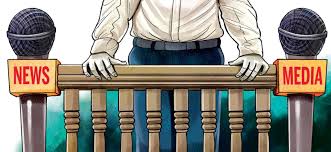
In recent years, the term “media trial” has gained significant traction, especially in the context of high-profile legal cases. Media trials occur when the media, through various forms of coverage, influences public perception and sometimes even the judicial process itself. This phenomenon raises serious concerns about justice, ethics, and the balance between freedom of speech and the right to a fair trial. This article delves into the concept of media trials, their impact, and the ongoing debate about their implications for democracy and the legal system.
Understanding Media Trials
A media trial refers to the phenomenon where the media, rather than just reporting on a case, actively participates in the public’s judgment of the accused or the matter at hand. This often includes sensationalist reporting, selective coverage, and persistent commentary that can skew public opinion. Media trials can create a ‘trial by media’ atmosphere, where the presumption of innocence is overshadowed by media narratives.
Historical Context
The roots of media trials can be traced back to cases where media coverage has had a profound impact on the judicial process. Historical examples include the O.J. Simpson trial in the United States and the Aarushi Talwar case in India. In both cases, extensive media coverage influenced public opinion and, arguably, the legal proceedings themselves.
Mechanisms of Influence
- Sensationalism: Media outlets often prioritize sensational stories to attract viewers or readers. This can lead to exaggerated or misleading portrayals of a case, influencing public opinion and potentially jeopardizing the impartiality of the trial.
- Selective Reporting: Media outlets might focus on certain aspects of a case while ignoring others, thus shaping the narrative. For example, emphasizing dramatic details while downplaying exculpatory evidence can skew public perception.
- 24/7 News Cycle: The constant demand for fresh content can lead to a repetitive focus on the most controversial aspects of a case, keeping it in the public eye and maintaining the pressure on the judicial system.
- Social Media: Platforms like Twitter, Facebook, and Instagram can amplify media coverage and spread unverified information quickly. This has the potential to create echo chambers where public opinion becomes even more polarized.
Impact on the Legal System
- Prejudicial Influence: The portrayal of a case in the media can influence potential jurors, leading to biases that affect their impartiality. In some jurisdictions, judges have had to instruct jurors to avoid media coverage to mitigate this effect.
- Pressure on Authorities: High-profile media coverage can place undue pressure on law enforcement and the judiciary, potentially affecting the thoroughness of investigations and the fairness of legal proceedings.
- Public Opinion vs. Legal Outcomes: Media trials often create a disconnect between public opinion and legal outcomes. Public outrage or sympathy based on media portrayal may not align with the evidence presented in court.
Ethical Considerations
The ethical implications of media trials are complex. On one hand, the media has a duty to inform the public and uphold democratic principles of transparency. On the other hand, there is an ethical obligation to ensure that coverage does not undermine the integrity of the judicial process.
- Balance and Fairness: Ethical journalism requires a balance between reporting the news and respecting the legal rights of individuals involved. Journalists should strive for fairness and avoid prejudicial reporting.
- Respect for Privacy: In cases involving sensitive issues, such as personal crimes or legal disputes, respecting the privacy of those involved is crucial. Excessive media scrutiny can lead to unnecessary harm and distress.
- Accountability: Media outlets should be held accountable for their role in shaping public opinion. This includes acknowledging biases and correcting misinformation.
Legal and Institutional Responses
Several measures can be taken to address the challenges posed by media trials:
- Regulation and Oversight: Regulatory bodies can enforce standards for media coverage of legal cases, ensuring that reporting does not undermine the judicial process.
- Judicial Instructions: Judges can issue specific instructions to jurors to avoid media coverage and base their verdict solely on the evidence presented in court.
- Education and Training: Educating journalists and media professionals about the implications of their reporting on legal cases can promote more responsible coverage.
Media trials represent a significant challenge to the legal system and democratic values. While the media plays a crucial role in ensuring transparency and accountability, it must navigate its responsibilities carefully to avoid undermining the fairness of legal proceedings. Striking a balance between informative reporting and ethical considerations is essential to maintaining the integrity of both the media and the judicial system. As society continues to grapple with the evolving landscape of media and law, ongoing dialogue and reform will be crucial in addressing the complex issues surrounding media trials.
