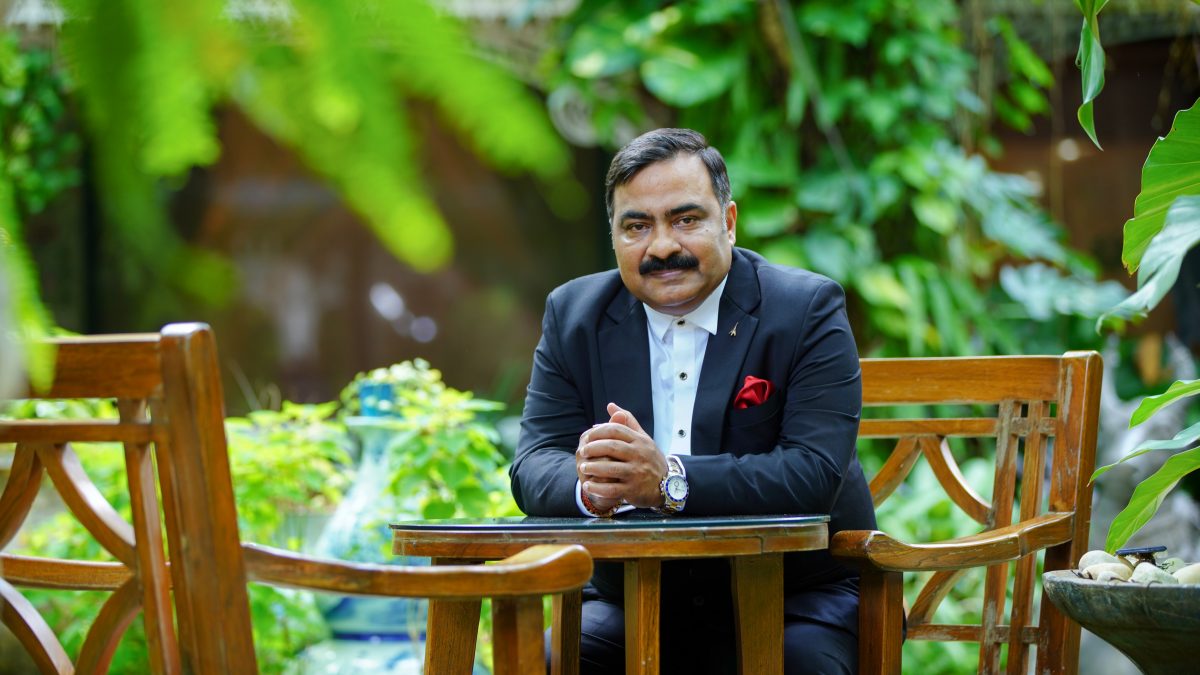
Smita Mishra
Odisha’s economy is charting a robust path forward, with projections indicating a remarkable 8 to 8.5% growth rate for the fiscal year 2025–26. According to the Economic Survey 2024–25 presented in the State Assembly, this growth projection firmly places Odisha among India’s fastest-growing states. With its Gross State Domestic Product (GSDP) estimated to reach nearly ₹9.5 lakh crore, Odisha’s economic ascent is no longer aspirational—it’s an unfolding reality.
This promising forecast comes on the back of diversified sectoral contributions, smart governance, and strategic investments in key areas like infrastructure, mining, and industry. Odisha’s ability to combine natural resource strength with policy clarity and administrative reform is central to its current momentum.
At the heart of this economic surge lies Odisha’s mining and natural resources sector. The state has long been a powerhouse of minerals such as iron ore, bauxite, and coal. In recent years, regulatory reforms and the digitization of mining operations have allowed Odisha to maximize revenues from auctions and royalties. These earnings have significantly boosted the state’s fiscal independence and enabled large-scale investments in welfare and infrastructure.
Simultaneously, Odisha has witnessed a wave of mega industrial projects that have added new dimensions to its growth story. The state has successfully attracted leading conglomerates like JSW, Adani Group, Tata Steel, Jindal Steel & Power, and Indian Oil. These investments, spread across steel, petrochemicals, aluminum, and energy, are not only creating direct jobs but also giving rise to entire ecosystems of suppliers, service providers, and logistics chains.
Infrastructure development has played a key enabling role. With support from both the central and state governments, Odisha has fast-tracked major highways, ports, and railway projects. Urban centers such as Bhubaneswar, Rourkela, and Sambalpur are being modernized with smart city features, efficient public transportation, and integrated utilities. This level of infrastructure readiness has helped industries scale operations faster and lowered logistical costs across sectors.
Odisha’s rural economy has also shown promising signs of growth. The agricultural sector, which supports a majority of the state’s population, is benefiting from better irrigation systems, financial incentives, and crop diversification programs. The government’s support for millet and paddy production, coupled with focused rural development schemes, has improved income levels and rural consumption patterns, which in turn fuel semi-urban economic activity.
Meanwhile, the services sector—particularly IT, tourism, education, and healthcare—is evolving steadily. Bhubaneswar is emerging as a regional technology and education hub, attracting start-ups and mid-sized IT firms. The state’s rich cultural heritage and natural beauty have also revived its tourism sector, which was previously hit by the pandemic. With enhanced promotion and infrastructure, eco-tourism and heritage tourism are drawing both domestic and international visitors once again.
Economic growth on this scale has wide-reaching implications. It directly translates into job creation, improved public services, and greater financial capacity for state-led development programs. It also bolsters Odisha’s credibility in the eyes of global investors, who are increasingly drawn to states that demonstrate macroeconomic stability and governance maturity.
However, growth at this pace comes with its own set of challenges. Odisha remains vulnerable to climate disruptions due to its coastal geography and cyclone exposure. Building climate-resilient infrastructure and embedding sustainability into development plans will be essential going forward. Additionally, while employment numbers are rising, there is a growing need to focus on quality jobs and workforce skilling, especially in technology and green industries.
Income inequality and regional disparities also require attention. Although cities like Bhubaneswar and Angul are thriving, certain tribal and interior districts continue to lag behind. Bridging this gap will require targeted interventions in health, education, and livelihood opportunities.
The Odisha government has responded to these challenges with a slew of forward-looking initiatives. The Start-up Odisha Mission is nurturing entrepreneurial talent, while district-level industrial hubs are promoting local manufacturing and MSMEs. Investment in renewable energy projects, such as solar parks and green mobility programs, signals a shift toward long-term sustainability. The “Skilled in Odisha” program is also creating a pipeline of job-ready youth aligned with industry demands.
Odisha’s projected growth of 8 to 8.5% is not merely a statistic—it’s a reflection of a deep structural transformation under way. With a blend of industrial vigor, infrastructural evolution, and grassroots development, the state is fast becoming a model of inclusive and sustainable progress. If Odisha can maintain this balance of ambition and responsibility, it will not only sustain this growth trajectory but emerge as a frontrunner in India’s economic narrative for the next decade.