Subhechcha Ganguly
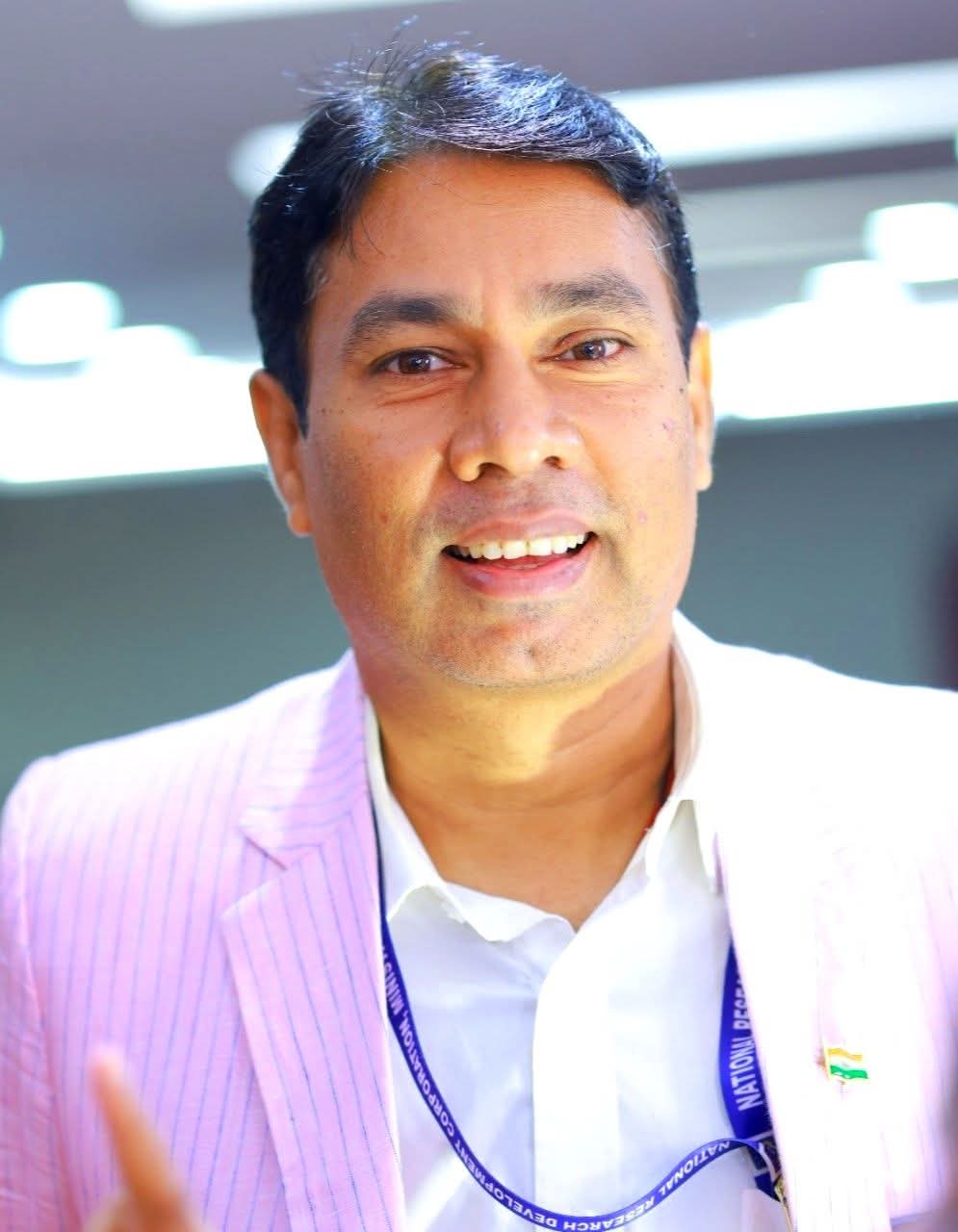
Having worked with Jindal Stainless Limited for nearly two decades, Mr Agrawal brings a wealth of experience to the table. His journey with the company began in August 2004 when he joined as AGM (Projects) at the Hisar unit in Haryana. During his tenure, he successfully completed numerous brown field projects, including rolling mills, annealing pickling lines, and subsidiary lines. After making significant contributions to the Hisar unit, he moved to Jajpur, Orissa in August 2010 to oversee the green field project of the CRM complex worth 2000 crores. Later, he was appointed as Head of Operations for the complex and currently holds the position of Sr. Vice President and plant head in Jindal Stainless Limited, Jajpur. His time with the company has given him valuable experience in managing complex projects, leading large-scale operations, and delivering results.

Mr. Agrawal is a decisive leader, motivator, and relationship developer with excellent communication and analytical skills. A Mechanical Engineer from MITS, Gwalior of the 1990 batch, he has more than 32 years of diverse techno-commercial experience in sundry sections of steel-making industries and project engineering companies. He has a proven track record of developing and implementing operational strategies, fostering high-performance organisational environments, and magnification-oriented business models with sound business acumen.
As he progressed in his career, he learned that leadership is a journey with many stages and challenges. Early on, he focused on making an impact through his work, taking initiative, and being reliable. This helped him set precedents and gain credibility as a leader.Later, as an expert leader, he coached and empowered his team while holding them accountable for results. He then found himself leading teams outside his area of expertise, but his ability to engage and empower others helped him earn their trust and lead them to success.
Jindal Stainless Limited and its contribution to the state
Jindal Stainless is a company that embodies enterprise, excellence, and prosperity, much like the metal it produces – stainless steel. With a vision for innovation and enriching lives, Jindal Stainless is one of the largest stainless steel conglomerates in India and ranks among the top 10 in the world.
Founded by Shri O P Jindal in 1970, the company has an annual melt capacity of 1.9 million tons and an annual turnover of US $4.20 billion (as of March ’22). Currently in an expansion phase, the company’s annual melt capacity will reach 2.9 million tons by the end of FY23. Jindal Stainless has manufacturing complexes in Haryana and Odisha, India, as well as an overseas unit in Indonesia. The company is committed to strengthening internal processes, systems, and customer service, while also developing niche grades and expanding their portfolio of high- value products. The state-of-the-art Jindal Stainless unit in Odisha is equipped with Ferro Alloys manufacturing facilities and a captive power generation facility. Hon’ble Chief Minister of Odisha, Mr Naveen Patnaik, and Managing Director, Jindal Stainless Limited, Mr Abhyuday Jindal jointly laid the foundation stone of India’s first-ever stainless steel park being developed by Jindal Stainless. This park is being built on 271 acres of land, with a focus on fostering over 100 downstream and ancillary manufacturing facilities. The company is committed to developing this park into a world-class stainless steel manufacturing hub and invites investors to set up their facilities in this park, with a focus on stainless steel products.
Jindal Stainless Limited’s expansion and development plans not only strengthen the company’s position in the market but also create numerous job opportunities both directly and indirectly.
Tell us about the challenges you have faced as Unit Head and how did you overcome them?
I am honoured to have been entrusted with the responsibility of leading the entire organisation in my current role. However, leading an organisation comes with a great challenge – the sheer number of people who look up to you for guidance and inspiration. As a leader, it is my desire to become an icon, to inspire through my actions, and to make a lasting impact that permeates through to every worker in the organisation. The highest levels of leadership define the culture of an organisation, and I recognize that my leadership will have a significant impact on the culture. With limited touchpoints, my interactions need to be measured, strategic, and deliberate. Each message needs to be simple, powerful, and consistent, inspiring and motivating people to reach their highest potential. My goal is to create and reinforce a shared vision and strong culture that will continue to inspire and invigorate generations to come.
CSR Projects
At Jindal Stainless, we understand that the prosperity of communities is integral to our success, and thus, our CSR model outlines various sustainable development activities aimed at supporting marginalised sections of society across the country.
In Odisha, we are focused on healthcare, skill development, and women’s empowerment. For healthcare, we are providing essential services through mobile clinics, promoting hygiene and sanitation, and providing clean drinking water to underprivileged communities. We are also sponsoring stainless steel fabrication training programs in government polytechnic colleges and
have tied up with the State Council for Technical Education & Vocational Training to include stainless steel curriculums in polytechnic colleges across the state to support skill development. As part of our women’s empowerment program, we are supporting self-help groups (SHGs) in Jajpur by providing training and creating livelihood opportunities through various skill development programs. We offer seed money for goat rearing, poultry farming, mushroom farming, tailoring, and beauty and wellness training, among other things. Additionally, we have established a sanitary napkin production unit and are raising awareness about menstrual health and hygiene.
What kind of work culture and changes have you brought to Jindal Stainless?
As the plant head, my primary goal has been to foster a positive work culture that prioritises collaboration, accountability, and innovation. To achieve this, I have implemented several changes and initiatives that have helped to create a supportive and engaged work environment. One of the most significant changes I have made is to empower employees. I have ensured that they have the freedom to make decisions and that they take ownership of their work: I believe they will thus be more motivated and engaged in their work. This has also led to a more collaborative work environment where everyone feels like they have a voice and can contribute to the plant’s success.
Safety is the top most priority for us. We have implemented several measures to ensure the safety of our employees and the environment, such as regular safety training, safety audits, and ongoing risk assessments. These actions have helped us create a safe and secure work environment where everyone feels comfortable. To promote continuous learning and development, I encourage my team to take advantage of professional development opportunities. This includes training programs, mentorship, and other learning experiences. By investing in our employees’ growth, we can build a team that is knowledgeable, skilled, and motivated.
Finally, innovation is crucial to our success. To encourage innovation, we have created a culture that values experimentation and new ideas. This has resulted in several new product lines and process improvements that have helped us stay ahead of the competition.
Business Model of Jindal Stainless
We take immense pride in being part of the industry that produces the wonder alloy – stainless steel. It has a better strength-to-weight ratio, is aesthetically pleasing, and does not contaminate the medium in contact. It is used widely in the food processing and healthcare industries because of its hygienic properties, resistance to rust and high temperatures, ease of fabrication, and recyclability. Stainless steel is the most sustainable metal and is often referred to as the metal of the future. The industry is on a growth trajectory, and it is projected to continue growing at a CAGR of 5.6% and reach a size of $298.85 billion by 2029.
As a manufacturer operating in a niche sector, we face several challenges. The availability of raw materials is a significant challenge we encounter. Previously, 60% of our raw materials had to be imported, including pure nickel, ferro nickel, stainless steel, and mild steel scrap.
However, we saw this challenge as an opportunity for our Indian suppliers and encouraged them to replace foreign suppliers. Today, about 70% of our raw materials are domestically sourced. We have also signed a collaboration agreement with New Yaking Pte. Ltd., a part of Eternal Tsingshan Singapore, one of the world’s largest nickel and stainless steel producers. This move will ensure the long-term availability of nickel for Jindal Stainless, creating more value for stakeholders.We have established the first-ever single-window Inland Container Depot (ICD) catering to the entire East Coast of India, strategically located near the five major ports of the east-coast belt – Vizag, Kolkata, Paradeep, Dhamra, and Haldia port. It is the only advanced rail-linked ICD in an industrial cluster of this region. This facility not only caters to our company’s needs but is also available to other companies in the region, giving us a unique advantage in terms of logistics.We have initiated Project Samanvay, a comprehensive plan to meet the Environmental, Sustainability, and Governance (ESG) goals of the company. Under the aegis of this project, we have taken up many initiatives such as switching to renewable energy, setting up rooftop solar plants, rolling out electric vehicles inside the plants, digitization, stringent vendor selections, and waste management & recycling among others.