
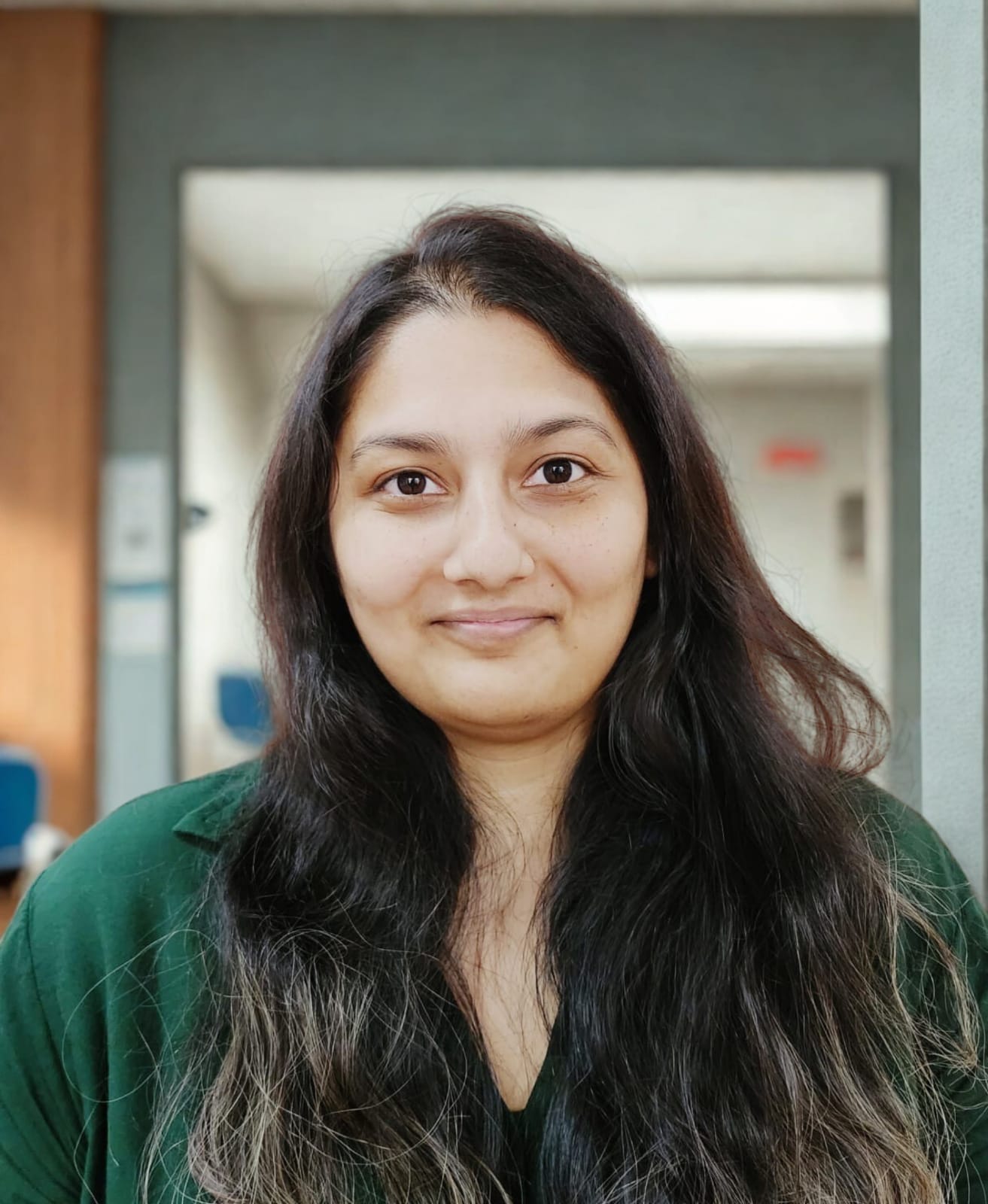
Healing a Nation: Dr. Pratichi Mishra’s Mission to Reimagine Healthcare in India
There is a quiet urgency in the way Dr. Pratichi Mishra talks about healthcare. Not the urgency of alarm, but the kind that comes from years of watching people arrive at a hospital too late when a condition that could have been caught early has already taken root and spread. It is this urgency that drives everything she does.
Dr. Mishra is the Founder and CEO of BPM Medical Services, and her professional journey is one that defies easy categorisation. Trained clinically in both the United States and the United Kingdom, she brings a rare combination of frontline medical experience and deep expertise in healthcare management and AI-driven health solutions. She is, in many ways, a bridge between the clinical and the entrepreneurial, between technology and humanity, between the India that exists today and the healthier nation she believes is possible.
A Fragmented System in Need of Repair
Ask Dr. Mishra about India’s healthcare landscape and she will be both honest and hopeful. The country has made extraordinary strides in world-class hospitals, pioneering surgeries, and a pharmaceutical industry that supplies medicines to the globe. But beneath this progress lies a structural challenge that she believes holds the system back: fragmentation.
“India’s healthcare often operates in silos,” she explains. Patients move between doctors, clinics, and hospitals without a unified thread connecting their care. Records get lost. Diagnoses get repeated. Critical information falls through the cracks. Unlike the more integrated models seen in the UK’s National Health Service or the coordinated care networks developing across the US, India’s ecosystem has yet to fully connect its pieces into a coherent whole. This fragmentation has real human consequences. It drives up costs, delays diagnoses, and perhaps most significantly contributes to a culture where people seek care only when they are already unwell.
From Reactive to Preventive: Shifting the Mindset
This last point is one Dr. Mishra returns to again and again. India, she argues, remains largely a reactive healthcare society. People visit a doctor when something goes wrong, not to prevent something from going wrong in the first place. It is a pattern she is determined to change.
“People often seek medical attention after a disease has already progressed,” she says. “The focus needs to shift toward prevention, early detection, and proactive care.” This philosophy sits at the very core of BPM Medical Services. One of the organisation’s most meaningful initiatives involves screening programmes for children and adolescents, an area where early intervention can have a lifelong impact. Conditions like scoliosis, vision problems, anaemia, and early markers of metabolic disease can be identified and addressed long before they become serious, provided someone is looking for them. Dr. Mishra speaks with visible enthusiasm about the growing participation in these programmes. Families are engaging. Schools are taking notice. Awareness, she believes, is beginning to shift. For her, screening is never just a clinical exercise, it is an act of education, a conversation with families about what it means to invest in health before illness arrives.
Technology That Serves People, Not the Other Way Around
Innovation is another of Dr. Mishra’s deep passions, though her relationship with technology is a nuanced one. She is not seduced by novelty for its own sake. Instead, she asks a fundamental question of every tool and system: does this actually reach the people who need it? BPM Medical Services has invested significantly in Electronic Medical Record (EMR) infrastructure digital systems that allow healthcare providers to store, access, and share patient information seamlessly. In a country where a patient’s medical history might currently exist as a collection of paper slips across a dozen different clinics, this kind of digital backbone is transformative. It reduces errors, saves time, and enables the kind of continuity of care that better health outcomes depend on.
Artificial intelligence, too, holds enormous promise in Dr. Mishra’s vision. AI can accelerate the analysis of screening data, flag patterns that a human eye might miss, reduce the administrative burden on overstretched healthcare workers, and support clinical decision-making in settings where specialist access is limited. One of the organisation’s most meaningful initiatives involve screening programmes across communities, where early intervention can have a profound impact on long-term health outcomes. Risk factors for non-communicable diseases and other emerging health concerns can often be identified and addressed long before they develop into serious conditions, provided someone is looking for them.
In a country of 1.4 billion people, where the doctor-to-patient ratio remains a serious challenge, AI is not a luxury, it is potentially a lifeline. But she is equally clear-eyed about what technology cannot do on its own. “Technology without accessibility serves little purpose,” she says. Tools that remain confined to elite urban hospitals, affordable only to the privileged, do not solve India’s healthcare problem; they deepen its inequalities. Her commitment is to democratising innovation, ensuring that the benefits of digital health reach communities across every socioeconomic stratum, from metropolitan centres to rural districts. She also recognises that for AI to take hold in Indian healthcare, the medical community must be prepared, educated, supported, and willing to adapt.
Leading with Values, Not Just Vision
What makes Dr. Mishra’s story particularly compelling is the values she brings to leadership. Healthcare entrepreneurship is a field full of tension between growth and mission, between profit and patient welfare, between the pressures of running an organisation and the demands of doing right by people. She does not pretend these tensions do not exist. She simply navigates them with a clear moral compass.
“There are times when profit cannot be the primary consideration,” she says. “Patient health, trust, and long-term outcomes must come first.” It is a statement that feels both simple and radical. In a world where healthcare systems public and private alike are under constant pressure to do more with less, the willingness to put the patient genuinely first, even when it costs something, is not merely a noble sentiment. It is a differentiating commitment.
A Future Worth Building
Dr. Pratichi Mishra is building something larger than a healthcare company. She is working toward a vision of India where wellness is not a privilege but an expectation where a person’s health is screened before problems arise, where a patient’s records travel with them seamlessly, and where the most advanced tools of modern medicine are available not just to those who can afford them, but to everyone.
It is an ambitious vision. But then, the most important ones always are.
https://www.linkedin.com/in/pratichi-mishra-md/
