Subhechcha Ganguly
Basic Concept:
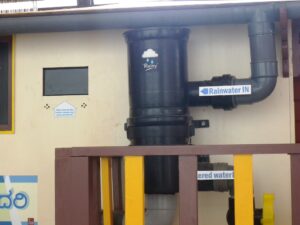
Rainwater harvesting involves collecting rainwater from surfaces like rooftops, directing it through gutters and pipes into storage tanks or recharge pits. The harvested water can be used for various purposes or allowed to percolate into the ground to replenish groundwater levels, mitigating water scarcity.
Rainwater harvesting in Maharashtra, like in many other regions, is crucial due to the state’s dependency on the monsoon season for its water needs. Here are some key points about rainwater harvesting in Maharashtra:
Legal Mandate: Maharashtra has taken legislative measures to promote rainwater harvesting. The Maharashtra Groundwater (Development and Management) Act, 2009, mandates rainwater harvesting for certain types of buildings.
Government Initiatives: The Maharashtra government has initiated various schemes and programs to promote rainwater harvesting. This includes financial incentives and subsidies for implementing rainwater harvesting systems in both rural and urban areas.
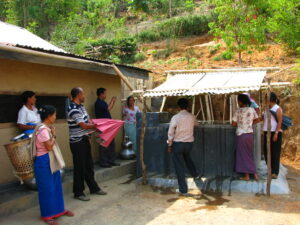
Community Efforts: Many communities in Maharashtra, especially in rural areas, have adopted traditional rainwater harvesting techniques such as building check dams, percolation tanks, and farm ponds to capture rainwater and recharge groundwater.
Urban Rainwater Harvesting: In urban areas like Mumbai and Pune, rainwater harvesting is increasingly being adopted in residential complexes, commercial buildings, and public institutions. The Mumbai Metropolitan Region Development Authority (MMRDA) has made rainwater harvesting mandatory for certain types of buildings.
Awareness and Education: Various NGOs, government agencies, and educational institutions in Maharashtra conduct awareness campaigns and training programs to educate people about the importance of rainwater harvesting and teach them about different techniques and methods.
Challenges: Despite efforts to promote rainwater harvesting, there are challenges such as lack of awareness, inadequate enforcement of regulations, and limited financial resources for implementation, especially in rural areas with poor infrastructure.
Integration with Other Water Management Practices: Rainwater harvesting is often integrated with other water management practices such as watershed management, water conservation, and efficient irrigation techniques to ensure sustainable water usage.
In Mumbai, a densely populated urban area, rainwater harvesting methods need to be adapted to suit the city’s landscape and infrastructure. One of the traditional water harvesting structures found in the state of Maharashtra are the Baravas, or stepped ponds, built for storing groundwater. Here’s an overview of some common rainwater harvesting methods used in Mumbai:
- Rooftop Rainwater Harvesting: This is one of the most common methods in urban areas like Mumbai. Rainwater falling on rooftops is collected through gutters and downpipes and directed into storage tanks or recharge pits. This harvested rainwater can then be used for non-potable purposes such as gardening, flushing toilets, or washing vehicles.
- Permeable Pavement: In areas with paved surfaces like roads, parking lots, and sidewalks, permeable pavement can be installed. Permeable materials allow rainwater to infiltrate into the ground, replenishing groundwater supplies instead of running off into storm drains.
- Rain Gardens: Rain gardens are shallow depressions planted with native vegetation that can absorb rainwater and allow it to slowly infiltrate into the ground. In Mumbai, rain gardens can be incorporated into parks, roadside green spaces, and residential gardens to capture and store rainwater.
- Pervious Concrete: Pervious concrete is a special type of concrete with high porosity that allows rainwater to pass through and infiltrate into the ground below. This material can be used for sidewalks, driveways, and other paved surfaces to reduce runoff and promote groundwater recharge.
- Check Dams and Percolation Ponds: In areas with natural watercourses or drainage channels, check dams and percolation ponds can be constructed to slow down the flow of rainwater and allow it to percolate into the ground. These structures help recharge groundwater aquifers and mitigate flooding during heavy rainfall events.
- Rainwater Harvesting Systems in Buildings: Many residential and commercial buildings in Mumbai are equipped with rainwater harvesting systems that capture rainwater from rooftops and store it for later use. These systems typically include storage tanks, filtration systems, and pumps to ensure the harvested rainwater is clean and suitable for various purposes.
- Community Rainwater Harvesting Projects: Community-based rainwater harvesting projects can be implemented in neighborhoods or housing complexes to collectively capture and utilize rainwater. These projects often involve cooperation among residents, local authorities, and NGOs to plan and implement rainwater harvesting infrastructure.
These methods can be tailored to suit the specific needs and conditions of different areas within Mumbai, helping to alleviate water scarcity, reduce flooding, and promote sustainable water management practices in the city.
Overall, rainwater harvesting plays a crucial role in augmenting water resources and improving water security in Maharashtra, especially in the face of increasing water scarcity and unpredictable rainfall patterns due to climate change.
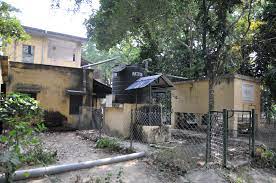
Rainwater harvesting is imperative in India to address water scarcity, especially in regions heavily reliant on monsoon rains. With erratic rainfall patterns exacerbated by climate change, traditional water sources are depleting rapidly. Implementing rainwater harvesting conserves water, recharges groundwater levels, and mitigates droughts, benefiting agriculture, urban water supply, and rural communities. It offers resilience against water crises, particularly in arid regions where access to clean water is precarious. Furthermore, it promotes sustainable water management, reduces dependency on unsustainable groundwater extraction, and fosters self-sufficiency in water resources. Rainwater harvesting is not just a solution; it’s a necessity for India’s water security and future sustainability.