Dikhyaa Mohanty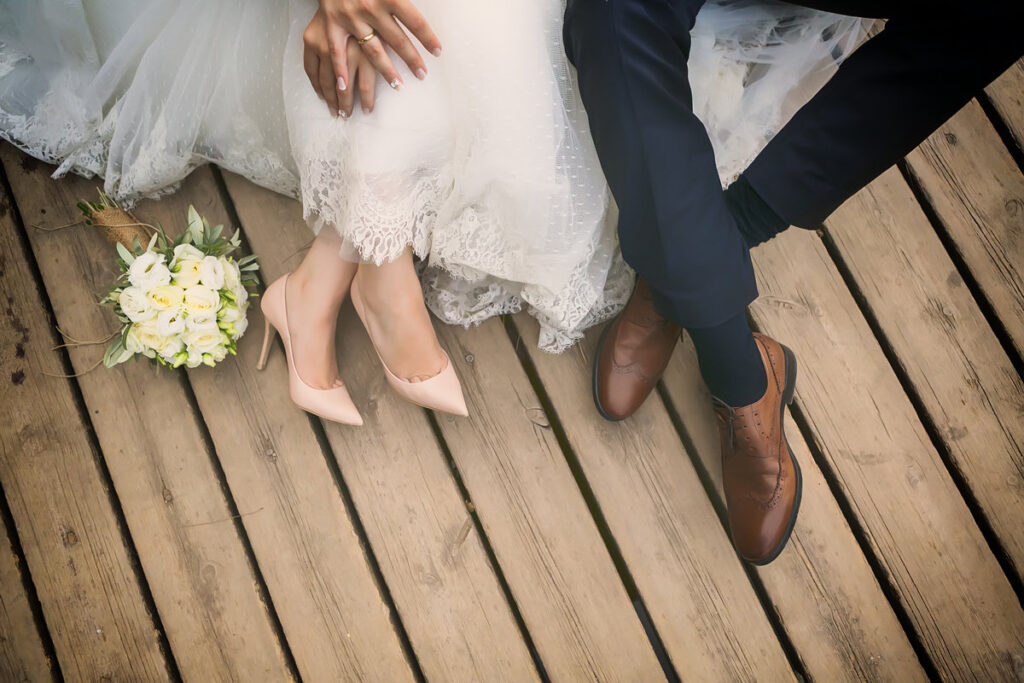
Due to the fact that stressful life events or difficult transitions can either cause or exacerbate depression, some people may experience post-wedding depression. These emotions don’t always indicate how a marriage will turn out, and depression can be effectively treated. Some people may develop depression as a result of challenging life circumstances. Depression may become more likely in response to significant illness, job loss, or bereavement.
Depression may also be sparked by the strain of organizing and attending a wedding.
Let’s talk about the causes and symptoms of depression after marriage.
Depression can arise for a variety of reasons in an individual. These could consist of:
- Difficult life circumstances
- Relationship issues
- Money concerns
Wedding preparation is frequently costly, time-consuming, and stressful. Disagreements between couples, families, or friends may result from this process. Excessive expenses may also cause financial difficulties or make them worse. It could be challenging for engaged couples to carve out time for themselves both before and after the wedding. Depressive symptoms can arise more frequently if self-care and rest are neglected.

Causes of post-wedding depression
Post-wedding depression can develop for various reasons. We discuss these potential causes in more detail below.
- Changes in life
Major life transitions may contribute to depression, according to research. After getting married, it could be challenging to adjust to significant life changes, and newlyweds could feel nostalgic for their former lives.
Tension between couples can also arise before, during, or after a wedding. Depression risk may rise in the presence of relationship problems.
- Absence of self-maintenance
Self-care practices may help lessen the symptoms of depression, according to a recent study.
Making time for self-care in the days before a wedding can be challenging. Those who are getting married might also find it difficult to get adequate sleep. According to research, having sleep problems can make depression more likely.
Self-care pursuits could involve: Exercising , Maintaining a healthy diet, Doing yoga and Meditation.
- Money-related issues
Financial difficulties can arise at any point in one’s life. However, they can become more noticeable at a wedding. Unexpected costs can mount up and increase the cost of an already expensive event.
Empirical evidence indicates a direct correlation between financial stress and an increased likelihood of depression. Depression after a wedding could be caused by financial worries both before and after the event.
- family issues
An increase in family disputes may exacerbate depressive symptoms.
While a wedding can be a happy occasion for family members to get together, high levels of stress can also cause tension within the family. In addition, pre-existing family conflicts might be heightened or revealed.
- Post-wedding depression symptoms
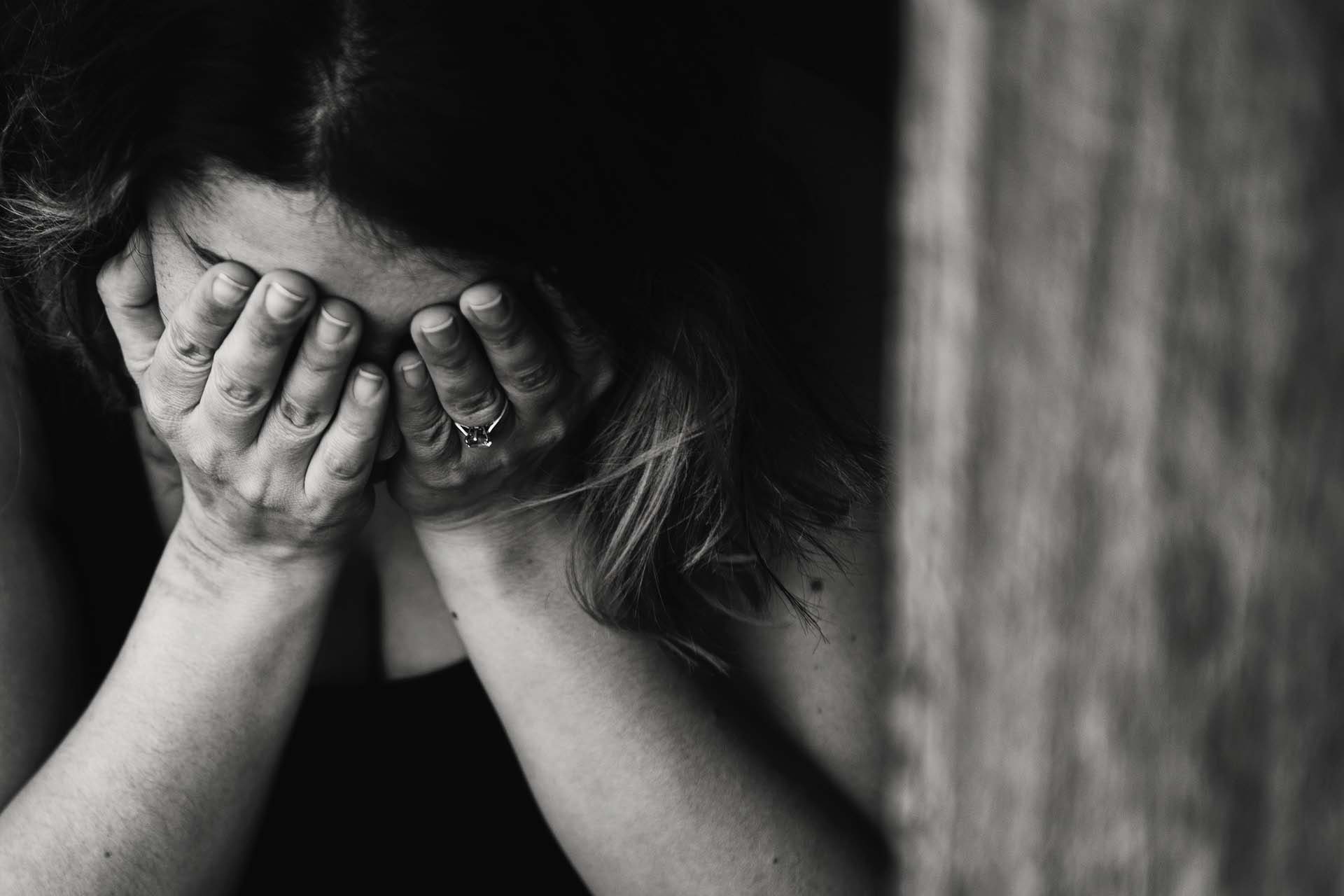
The symptoms of post-wedding depression can differ greatly from person to person, but they are probably similar to those of depression in general.
Symptoms of depression could include:
1. persistent depressive feelings
2. lack of enthusiasm for once-enjoyable pursuits
3. agitation or impatience
4. problems sleeping
5. appetite swings
6. difficulties focusing
7. despondency
It is advisable for anyone exhibiting these or any other symptoms of depression to consult a medical expert. They are able to offer an assessment and suggest a course of action.
How to handle
Depression can be difficult, but there are lots of good treatment choices out there. Certain activities or lifestyle modifications may help people with mild post-wedding depression.
- Work out
Exercise on a regular basis helps lessen the symptoms of depression. Running, swimming, and long walks can all be beneficial in addressing these symptoms.
- methods for relaxation
Post-wedding depression can also be addressed with relaxation techniques.
Among them are: yoga, music therapy, and meditation
- Counseling
Another successful treatment for post-wedding depression is talk therapy. A therapist can assist people in managing their symptoms and creating a plan for improved mental health.
- Depression treatment examples include:
Psychoanalytic techniques in cognitive behavioral therapy (CBT)
systemic treatment
Medication
Antidepressant drugs may be helpful for people with post-wedding depression in certain situations. Antidepressants can elevate mood and increase motivation. However, these medications may have unfavorable side effects and take several weeks to start working. For additional information on depression treatment, anyone experiencing post-wedding depression should speak with a medical professional.