
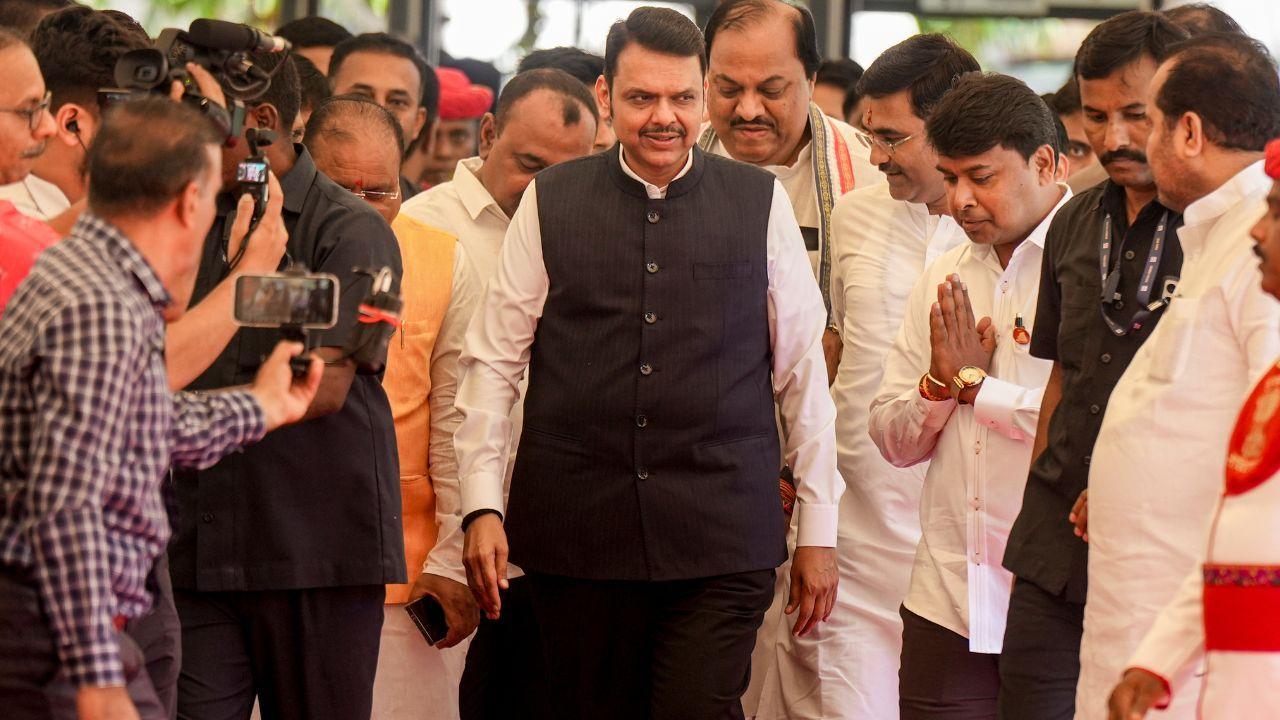
A significant change to Maharashtra’s system of government has placed greater formal authority in the hands of Chief Minister Devendra Fadnavis. The state has notified the Maharashtra Government Rules of Business, 2026, giving the Chief Minister the power to review and, in certain circumstances, override a decision taken by any minister.
Under the new provision, the Chief Minister can override a ministerial decision when he considers it necessary in the public interest, provided that the reasons for doing so are recorded in writing. The provision does not apply to quasi-judicial matters. Ministers will continue to have primary responsibility for the departments assigned to them, but the new rules establish a clear mechanism through which the Chief Minister can intervene.
The amendment is particularly significant because it follows a legal controversy involving the state’s earlier rules. In a ruling three years ago, the Bombay High Court held that the then Chief Minister, Eknath Shinde, did not have independent authority under the existing Rules of Business to review or modify a decision made by a minister in charge of a department. The new framework appears to address that legal gap by explicitly spelling out the Chief Minister’s authority.
The move also has a political dimension. Maharashtra is governed by a coalition in which Fadnavis and Deputy Chief Minister Eknath Shinde are among the key power centres. Giving the Chief Minister an explicit power to review decisions made by individual ministers could strengthen coordination and centralise important administrative decisions at the top of the government.
Supporters of the change can argue that it will make the administration more coordinated and accountable, particularly when a departmental decision has wider implications for the state. Critics, however, may question whether concentrating such authority in the Chief Minister could weaken the autonomy of individual ministers and alter the balance within the cabinet.
The change therefore goes beyond a technical modification of administrative procedure. It could have long-term implications for how Maharashtra’s coalition government makes decisions, resolves disagreements and exercises executive power.
