
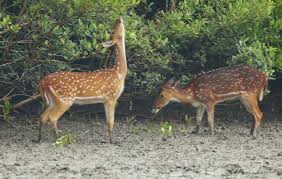
Bhitarkanika National Park, located in the Kendrapara district of Odisha, India, remains one of the country’s most biodiverse and ecologically significant regions. Known for its stunning mangrove forests, saltwater crocodiles, and rich avian population, Bhitarkanika is rapidly gaining attention for its conservation efforts and its potential as a sustainable eco-tourism destination.
Ecological Importance: Spanning over 672 square kilometers, Bhitarkanika is home to a unique combination of ecosystems including mangroves, estuaries, and tidal rivers. The park is famous for its rich biodiversity, with over 215 species of birds, 64 species of fish, and a variety of reptiles and amphibians. It also serves as a crucial breeding ground for the endangered saltwater crocodile, with over 1,000 individuals residing in the park’s waters. The region is particularly known for its significant population of the saltwater crocodile, which is one of the largest species of crocodiles in the world.
A Haven for Birds: Bhitarkanika is a haven for bird watchers, with numerous migratory and resident bird species calling the park home. It is particularly famous for being a nesting ground for several species of herons, egrets, and the endangered Indian skimmer. The park’s vast network of rivers and tidal flats provides the perfect environment for these birds, making it a top destination for eco-tourism enthusiasts and nature lovers.
Conservation and Challenges: While Bhitarkanika is known for its rich natural heritage, it faces a range of conservation challenges. Illegal fishing, human encroachment, and climate change continue to threaten the fragile ecosystems of the park. However, the Odisha government, along with various conservation organizations, has been working tirelessly to address these issues. The park has been designated a Ramsar Site, a wetland of international importance, to further protect its ecosystems.
Efforts to protect the park’s wildlife have led to an increase in the saltwater crocodile population and improved management of the park’s resources. The National Park’s authorities have also worked to raise awareness about the importance of preserving the park’s unique biodiversity and its role in maintaining the ecological balance of the region.
Eco-Tourism and Future Prospects: As part of the ongoing conservation initiatives, Bhitarkanika is being developed into an eco-tourism destination that focuses on sustainable tourism practices. Visitors are encouraged to explore the park’s beauty while ensuring minimal environmental impact. The park’s boat safaris, bird watching, and crocodile sightings have made it a popular destination for eco-tourists. The development of eco-friendly infrastructure and the promotion of responsible tourism are key components of the park’s future plans.
With its stunning landscapes, rich wildlife, and ongoing conservation efforts, Bhitarkanika National Park stands as a testament to India’s commitment to preserving its natural heritage. As the park continues to grow as a prime eco-tourism hub, it also highlights the importance of striking a balance between tourism, conservation, and sustainable development for future generations.
Conclusion: Bhitarkanika National Park is not just a treasure trove of biodiversity; it is a symbol of India’s ongoing efforts to protect and preserve its natural wonders. Through sustainable practices, effective conservation programs, and growing eco-tourism initiatives, the park is set to remain a key player in India’s wildlife conservation efforts. It is a must-visit destination for those seeking to explore the unspoiled beauty of India’s rich natural landscapes while supporting conservation initiatives that safeguard the future of this remarkable ecosystem.
