
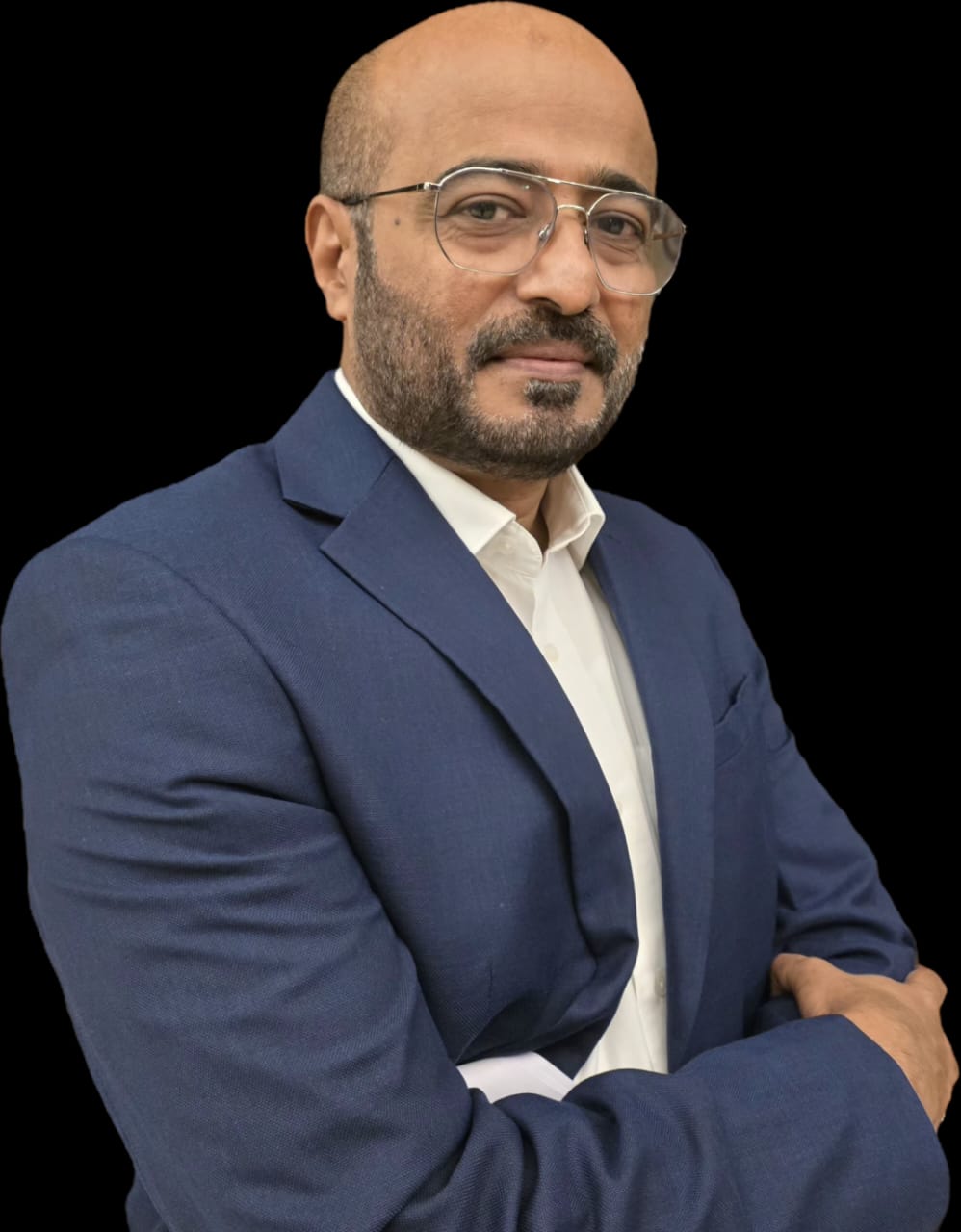
As India’s manufacturing sector continues to evolve amid rapid technological advancements, sustainability imperatives, and changing global market dynamics, effective leadership has become more critical than ever. At the forefront of this transformation is Jindal Stainless Limited (JSL), one of the country’s leading stainless steel manufacturers, committed to innovation, responsible growth, and operational excellence.
In this exclusive interview, we speak with Alex thomas, Resident Director Corporate Affairs at Jindal Stainless Limited, who oversees the company’s corporate affairs, government relations, regulatory engagement, and strategic stakeholder management. Drawing on his extensive experience, he shares valuable insights into JSL’s growth strategy, the future of the stainless steel industry, sustainability initiatives, digital transformation, governance practices, and the importance of fostering strong partnerships with governments, communities, and industry stakeholders. From navigating complex regulatory landscapes to driving sustainable industrial development, his perspectives offer a comprehensive look at how JSL is shaping the future of India’s manufacturing ecosystem while creating lasting value for its stakeholders.
Warm-up and background
- Could you briefly describe your current role and main responsibilities as Director corporate affairs at JSL?
I currently serve as the Resident Director looking after the corporate affairs at JSL, where I am responsible for driving the company’s engagement with government and regulatory authorities, policy advocacy, statutory compliances, and stakeholder relationship management. My role involves facilitating strategic clearances, managing regulatory risks, and representing the company’s interests across various government forums.
- What early experiences or influences shaped your approach to leadership in the industrial/steel sector?
My approach to leadership has been shaped by years of working closely with government institutions, industry stakeholders, and cross-functional teams in a highly regulated and dynamic sector. Early in my career, I realized that sustainable progress is built on credibility, collaboration, and long-term relationships rather than short-term outcomes. These experiences taught me the importance of balancing business objectives with credibility, community interests, and operational realities a perspective that continues to guide my leadership at JSL.
- Which achievement at JSL are you most proud of so far, and why?
What I am most proud of at JSL is that our growth has created value far beyond business. We have remained committed to community development through education, healthcare, and skill-building initiatives, while advancing our environmental goals through cleaner technologies and sustainable operations. At the same time, our expansion has generated significant employment and strengthened the local economy. Contributing to India’s industrial growth while creating lasting social, environmental, and economic value is the achievement I value the most.
- How do you translate the company’s long-term strategic vision into concrete annual priorities?
We translate JSL’s long-term vision into annual priorities by aligning our business function with our strategic goals of sustainable growth, operational excellence, and value creation. Clear annual targets are set around capacity expansion, sustainability, operational efficiency, stakeholder engagement, and talent development. Progress is reviewed regularly to ensure we remain responsive to evolving business needs while staying firmly focused on our long-term vision.
- Describe a difficult strategic decision you made recently what options you considered and the outcome.
One of the most challenging strategic decisions I handled recently was securing JSL’s power requirements while balancing operational needs with grid constraints. We evaluated multiple options, including enhancing our Contract Demand and identifying the most viable solution without compromising grid reliability.
I worked closely with our internal teams and engaged extensively with OPTCL, SLDC, and GRIDCO through continuous technical discussions and stakeholder consultations. This collaborative approach helped us arrive at a solution that met JSL’s power needs while aligning with regulatory and grid requirements, reinforcing the value of partnership and consensus in solving complex challenges.
Operations and industry context
- What operational challenges currently affect JSL’s manufacturing and supply chain, and how are you addressing them?
Like any large manufacturing organization, JSL faces challenges related to the timely availability of critical resources such as power, water, raw materials, logistics, and regulatory approvals. These factors require continuous coordination to ensure uninterrupted operations and supply chain efficiency.
We address these challenges through proactive planning, close collaboration with government agencies, utility providers, and supply chain partners, and by strengthening internal coordination across functions. Our focus is on anticipating risks early, building resilient systems, and ensuring business continuity while supporting JSL’s long-term growth objectives
- Which global or domestic trends (raw materials, trade, and technology) do you expect to most reshape the steel industry in the next 3–5 years?
Over the next 3–5 years, I believe the steel industry will be reshaped by three major trends. First, the transition to low-carbon steel production, driven by global climate commitments and carbon pricing mechanisms, will accelerate investment in cleaner technologies and renewable energy. Second, increasing volatility in raw material supply chains due to geo-political situation will require greater focus on resource security, cost competitiveness, and supply chain resilience. Third, rapid advances in digital technologies, automation, AI, and data analytics will significantly improve operational efficiency, productivity, and decision-making.
CSR, sustainability and community
- How does sustainability factor into JSL’s corporate strategy and capital investment decisions?
At JSL, with investing in cleaner technologies and resource efficiency, we are equally committed to creating positive social impact through our CSR initiatives in education, healthcare, skill development, and community development.Our investment decisions consider not only financial returns but also environmental and social outcomes. This ensures that JSL’s growth creates lasting value for communities, the environment, and the nation.
2. What steps is JSL taking to reduce carbon intensity and move toward circularity in stainless steel manufacturing?
JSL is pursuing multiple approach to reduce carbon intensity and advance circularity in stainless steel manufacturing. We are investing in energy efficiency, renewable energy, Waste heat recovery, cleaner technologies, and greater use of recycled stainless steel scrap, which significantly lowers emissions and conserves natural resources. We also focus on efficient utilization of by-products, water recycling, and waste minimization to maximize resource efficiency.
People, culture and talent
- How do you attract and retain skilled workers and engineers in a competitive market?
At JSL, we attract and retain talent by offering continuous learning, leadership development, a strong safety culture, and meaningful career growth opportunities. We also partner with HR institutions to build a strong talent pipeline and provide employees with opportunities to work on advanced technologies and sustainability initiatives.
- Describe your approach to diversity and inclusion across operations and leadership roles.
Our focus is on fostering a culture of respect, collaboration, and continuous development, while encouraging greater participation of women and diverse talent in both operational and leadership roles.
Innovation, technology and digitalisation
- Which digital technologies (IoT, predictive maintenance, automation, ERP upgrades) have you prioritised at JSL recently and why?
JSL has prioritised automation, IoT-enabled monitoring, predictive maintenance, and ERP upgrades to improve operational efficiency and reliability. These technologies help reduce downtime, optimize resource utilization, strengthen supply chain visibility, and enable data-driven decision-making, supporting our goal of building a smarter and more sustainable manufacturing ecosystem.
- How do you evaluate ROI on technology investments in manufacturing settings?
We evaluate technology investments not only on financial returns but also on their strategic impact. Key metrics include improvements in productivity, energy efficiency, asset reliability, downtime reduction, product quality, safety, and sustainability.
Market, customers and growth
- Which customer segments or geographies present the best growth opportunity for JSL in the next 2–4 years?
I see strong growth opportunities in India’s infrastructure, railways, construction, energy, and process industries, along with increasing demand for value-added stainless steel in global markets. Our focus is on expanding value-added products, strengthening customer partnerships, and growing our presence in high-potential export markets.
Risk, governance and compliance
- What governance practices have you strengthened to ensure transparent decision-making at the leadership level?
We have strengthened governance by promoting greater transparency & accountability in decision-making. Clear approval processes, regular performance reviews & robust compliance systems ensure that decisions are well-informed, timely, and aligned with JSL’s long-term strategy and values.
- How do you ensure health and safety standards are embedded into day-to-day plant operations?
At JSL, safety is a core value and an integral part of our daily operations. We embed health and safety through regular training, strict adherence to standard operating procedures, risk assessments, safety audits, and continuous monitoring.
Stakeholder engagement & reputation
- How do you engage local communities and state government to align industrial development with regional priorities?
We work closely with local authorities and communities to ensure our growth supports regional development priorities. Through regular stakeholder engagement and CSR initiatives in education, healthcare, skill development, and livelihoods, we focus on creating shared value, building trust, and fostering sustainable, inclusive growth.
- What communication channels do you prioritise for investor relations and for informing employees about strategic shifts?
For investors, we prioritize transparent and timely communication through annual reports, regulatory disclosures and investor meetings. For employees, we rely on internal communications, digital platforms, and regular engagement sessions to ensure strategic priorities are clearly understood and aligned across the organization.
