Subhechcha Ganguly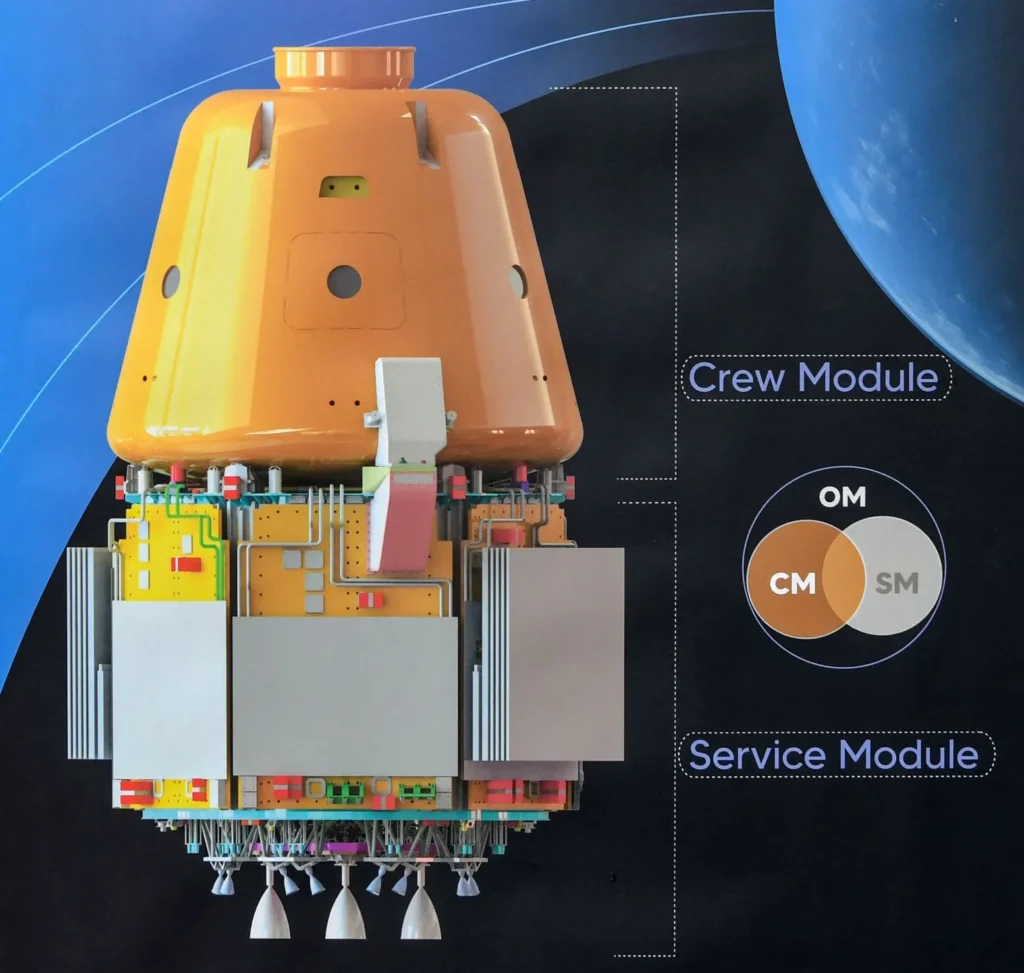
The Crew Module and Crew Escape System-equipped single-stage liquid-propulsion rocket was to launch from SDSC for the unmanned flight test.The Gaganyaan mission’s maiden flight test was scheduled to launch from Andhra Pradesh’s Sriharikota on Saturday, but Indian Space Research Organisation (ISRO) decided to postpone it.”TV-D1’s attempt to lift off today was unsuccessful. Due to the weather, the liftoff was first delayed from 8am until 8.45am. Just five seconds before the launch was supposed to take place, the launch was put on hold. “We had a smooth automatic landing sequence (ALS) leading up to the command to liftoff the engine, but the engine ignition has not happened in the normal course,” ISRO chief Somanath stated.
He emphasised that the entire launch vehicle is safe, and that a new launch date will soon be announced, even if the space agency is still working to determine what went wrong.
“The ground checkout computer that performs the function of the liftoff has withheld the launch in view of the anomaly observed,” he added.On Saturday at 8 a.m., an unmanned flight test using a single-stage liquid-propulsion rocket outfitted with a crew module and crew escape system was supposed to take off. It was then rescheduled for 8:30 and 8:45 am before being cancelled.
The Gaganyaan mission’s crew module and crew escape system were to be tested during the flight test, known as the Test Vehicle Development Flight Mission-1 (TV-D1 Flight Test), for effectiveness and safety. Additionally, it would have evaluated the rocket launch’s subsequent safe landing in the Bay of Bengal.The vehicle has a lift-off weight of 44 tonnes and is 34.9 metres tall. A single-walled, unpressurized aluminium structure with a mock thermal protection system makes up the TV-D1 flight’s construction.