Subhechcha Ganguly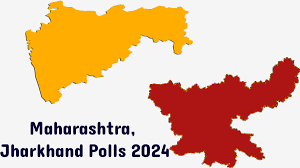
Welfare programs, freebies, or doles—however one chooses to label them—have become a crucial component of electoral strategies in many parts of India. The assembly election results in Maharashtra and Jharkhand offer several insights, and it’s worth examining them closely. Here are three key questions to consider in understanding the outcome:
- Both Maharashtra and Jharkhand have re-elected the incumbent parties/alliances with an even larger mandate. What accounts for this shift?
- The results in both states are in stark contrast to the outcomes of the Lok Sabha elections held just six months ago. What explains the drastic change in such a short span of time?
- How much did identity-based ideological affiliations influence the voters’ decisions, and what role did they play in shaping the final verdict?
One common factor in both Maharashtra, led by the Mahayuti alliance, and Jharkhand, under the Jharkhand Mukti Morcha (JMM), was the announcement of cash transfer schemes for women before the elections—Ladki Bahin in Maharashtra and Maiya Samman Yojana in Jharkhand.
Looking ahead to the 2024 interim budget, it’s clear that Modi made a crucial mistake. The budget lacked provisions for the underprivileged and, while focusing on fiscal consolidation, it actually reduced revenue expenditure (excluding interest payments) in nominal terms. Revenue expenditure is crucial when it comes to influencing voters just months before an election.
Had the 2024 interim budget been more similar to the 2019 budget, would the BJP have fared better? In hindsight, there’s increasing evidence to suggest that it might have. The 2024 Lok Sabha outcome seems to reflect a larger discontent with the BJP’s fiscal policies rather than its ideological stance.