Subhechcha Ganguly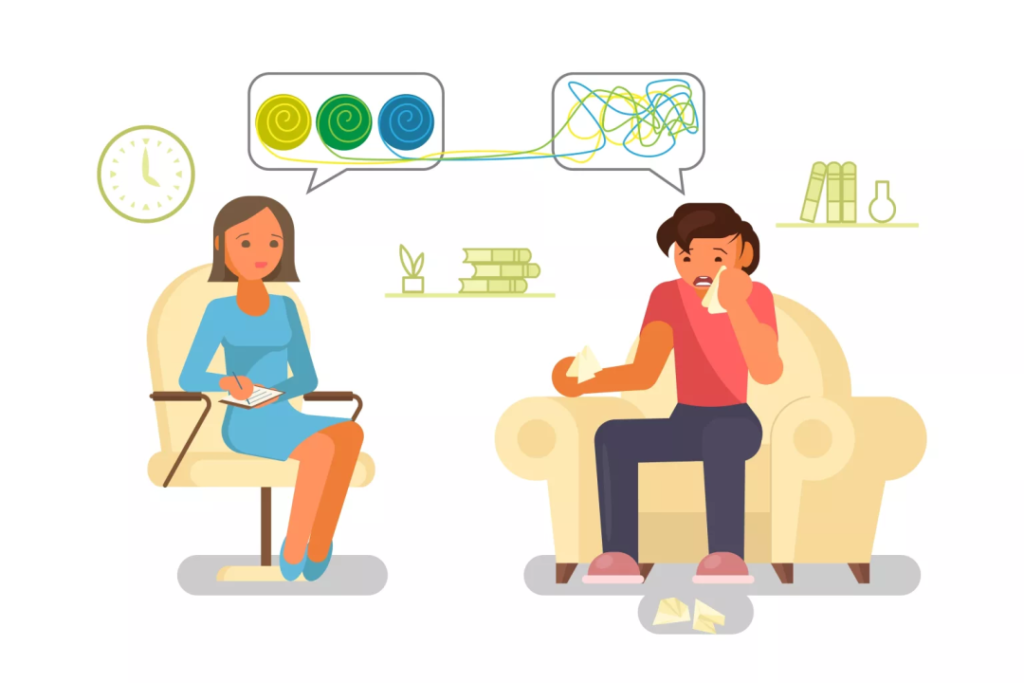
In the labyrinth of life’s challenges, there often comes a point when one feels lost, overwhelmed, or uncertain about the path ahead. In such moments, the guidance and support of a counselor can be the beacon that illuminates the way forward. Counseling, a profession rooted in empathy and expertise, plays a pivotal role in fostering mental health, personal growth, and overall well-being. Its importance cannot be overstated, as it serves as a cornerstone for individuals, couples, families, and communities to navigate the complexities of life.
Understanding Counseling:
Counseling is not merely a conversation; it is a structured process designed to facilitate self-awareness, insight, and positive change. A skilled counselor provides a safe and non-judgmental space for clients to explore their thoughts, feelings, and experiences. Through active listening, empathy, and specialized techniques, counselors help individuals gain clarity, develop coping strategies, and cultivate resilience in the face of adversity.
Promoting Mental Health:
In an era marked by increasing stressors, from work pressure to interpersonal conflicts, mental health has emerged as a critical concern. Counseling serves as a frontline defense against mental illness by offering early intervention and support. By addressing underlying issues such as anxiety, depression, trauma, or addiction, counselors empower individuals to reclaim control over their lives and rebuild their emotional well-being.
Fostering Personal Growth:
Life is a journey of continuous growth and self-discovery. Counseling acts as a catalyst for personal development by encouraging individuals to explore their values, strengths, and aspirations. Whether navigating career transitions, relationship challenges, or existential dilemmas, counseling provides a roadmap for self-exploration and goal setting. Through introspection and guidance, clients unlock their potential and embark on a journey of self-actualization.
Enhancing Relationships:
Human connections form the fabric of our existence, yet they can be fraught with conflict, miscommunication, and unmet needs. Counseling offers a lifeline for couples and families grappling with relationship issues. By facilitating honest communication, empathy, and conflict resolution skills, counselors help mend fractured bonds and foster deeper connections. Through couples therapy, pre-marital counseling, or family interventions, relationships are revitalized, and harmony is restored.
Cultivating Resilience:
Life’s challenges are inevitable, but our response to them is within our control. Counseling equips individuals with the tools to navigate adversity with resilience and grace. By reframing negative thinking patterns, building coping skills, and fostering self-compassion, counselors empower clients to weather life’s storms with resilience and emerge stronger on the other side. Through the therapeutic process, individuals learn to embrace challenges as opportunities for growth and transformation.
Breaking Stigmas:
Despite its myriad benefits, counseling continues to face stigma and misconceptions. Cultural norms, fear of judgment, or lack of awareness often deter individuals from seeking the support they need. Breaking down these barriers requires education, advocacy, and destigmatization efforts. By promoting mental health literacy, normalizing help-seeking behavior, and fostering inclusive spaces, we can ensure that counseling is accessible and embraced by all.
Conclusion:
In a world fraught with uncertainty and upheaval, counseling serves as a beacon of hope and healing. Its importance transcends borders, cultures, and generations, offering solace to those in need and guiding them towards a brighter tomorrow. As we navigate life’s journey, let us embrace the transformative power of counseling, unlocking our potential and fostering a world where mental health thrives, relationships flourish, and individuals soar to new heights.