
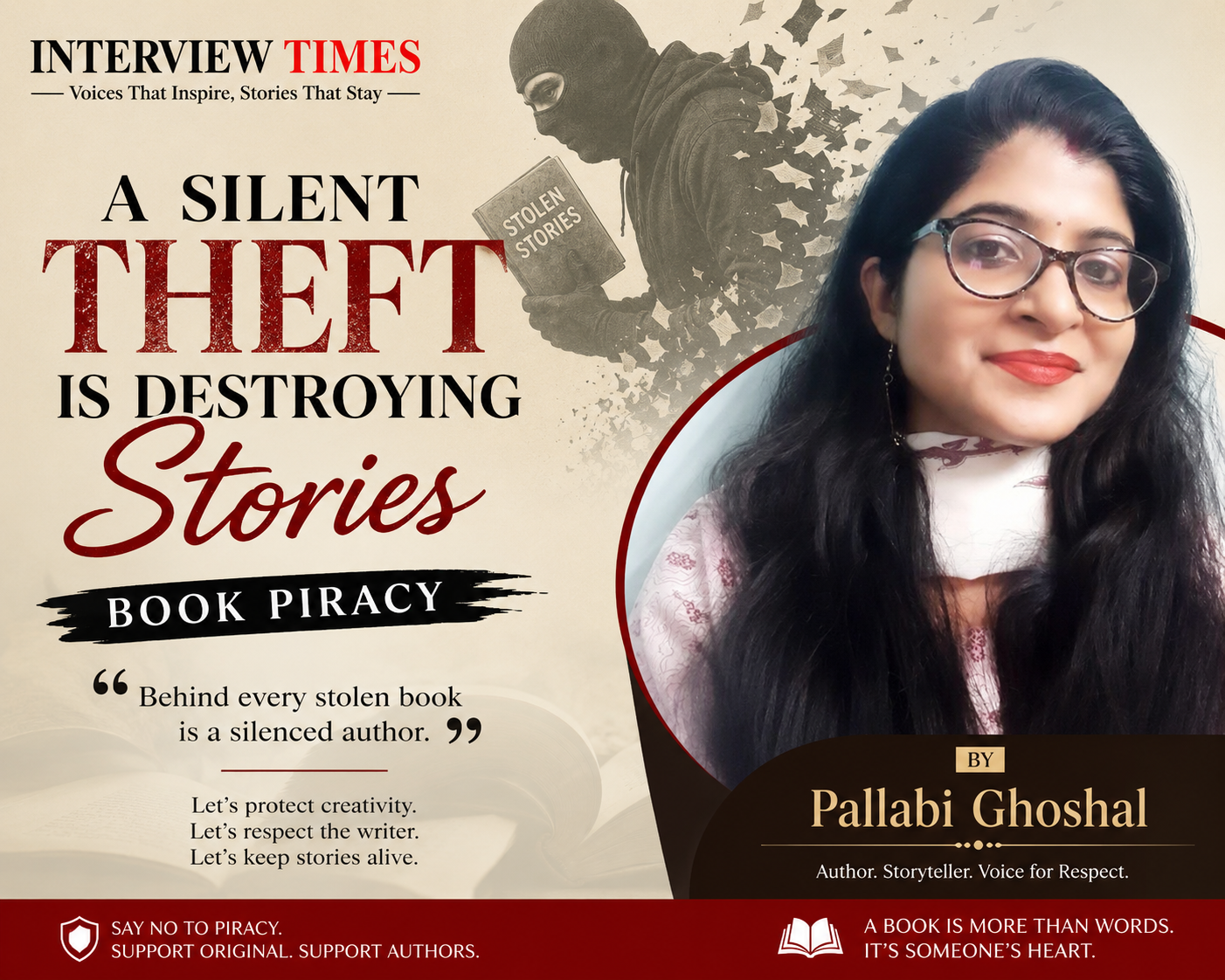
Imagine this as an author. You wake up and read a lovely message on your social media sent by a reader about any of your books. You wear your seat belt knowing that either constructive feedback, discussion about a character from your book, or some criticism awaits you in the replies that would follow.
But the reader tells you with innocence, “I got your book for free online. May be your official website!” and attaches a link. You click the link and discover that it’s not your website or your Amazon page. It’s not even your publisher’s website.
What would be your reaction realizing that it’s a pirated copy?
Some readers would love to debate saying that it’s not harming anyone. It’s a digital file, after all! Nobody had stolen the book from a bookstore. That thought process just hides a reality that’s destructive. Each pirated copy is a proof of months or years of the author’s hard work getting circulated without their permission. Forget the compensation, it clearly disrespects the author’s intellectual property.
Piracy is wrong, even if it’s just a click.
“Free” comes with a Hidden Cost
Readers look at authors as bestselling celebrities who attend events and sign numerous books. Every writer puts their heart into the stories they write, the characters they infuse life into, and meanwhile they may be trying to balance jobs, families, and their other responsibilities. Not much is talked about the hours spent in research, plotting, writing, revisions, editing, and publishing. No book gets created overnight. There’s research, drafting, editing, proofreading, cover design, formatting, and marketing. Some publishing houses have dedicated teams to help the author with all the steps. Independent authors have to bear these expenses and the brainstorming time on their own.
Every pirated copy is a direct loss for everyone in the publishing ecosystem. Authors don’t get any royalty for the sale of pirated copies. The publishers are at a loss of revenue. The time, efforts, and expertise of the editors, designers, and marketers are wasted. They too face monetary losses. Now readers might think they didn’t lose anything. They got a book to read. Readers are also at a loss indirectly because very limited resources would be available to support new books and voices.
Piracy Hurts
The damage caused by piracy is not just limited to losses in revenue. Every ethical sale matters to authors. Sales figures confer the visibility to a book across online platforms. The system of reviews, rankings, and recommendations rely on authentic purchases. And piracy stabs this ecosystem.
It takes me around one year to complete writing a book. If several readers download my book or purchase pirated paperback copies, seeing my book being distributed without my consent going to break my heart. It’s a personal frustration. I never copied it somewhere. I created that story. The official sale of the book would also remain static. The situation would destroy every iota of motivation I need to write another book. Every author would feel the same pain seeing pirated copies of their books being sold online or offline.
How can readers help?
Some readers unknowingly buy pirated copies. Some readers won’t be able to identify if the website is genuine. And some readers will assume that authors live a royal life with their royalty and it doesn’t matter.
Getting years of hard work circulated without permission is unethical. Every genuine sale is a powerful message to authors that your work is valuable. Libraries, subscription services, promotional offers, discounts at book fairs, and authorized giveaways are already the most budget-friendly ways to get books to read. There are ethical options available for readers if the price of the books looks unaffordable.
How to act Against Piracy?
It’s difficult, but possible. Publishers and authors can keep an eye on the websites selling the books, identify unauthorized entities and issue notices, and spread awareness among readers about the ethical purchasing channels.
Awareness is the most effective solution. Once readers are aware of the real impact of piracy, many of them decide to support the authors ethically thereafter by reading genuine copies of their work. One pirated copy purchased might appear trivial. But to the authors, it costs them more than the price of their book. Every book sold is not just the royalty, but it is also validation, encouragement, and the drive to write the next book.
Readers have two choices
They can continue to read pirated copies and celebrate the free, unauthorized copies or choose the ethical side to support the craft of storytelling, the creativity, and the authors who devote their heart and soul into bringing ideas to life.
Books inspire, comfort, challenge, and transform our mindset. Fictional books are also intertwined with deep messages. They are worthy enough to be given the right respect and value.
When we share about our books, a few readers may instantly buy the books or plan to buy it in future. They are not just buying those books, they are protecting those stories.
If piracy continues to rise, the publishing ecosystem would be harmed. But when readers support authors, they motivate authors to draft more stories, publish, and share with the world. This ecosystem is not solely dependent on writers. It also depends on people who decide to read them ethically.
