
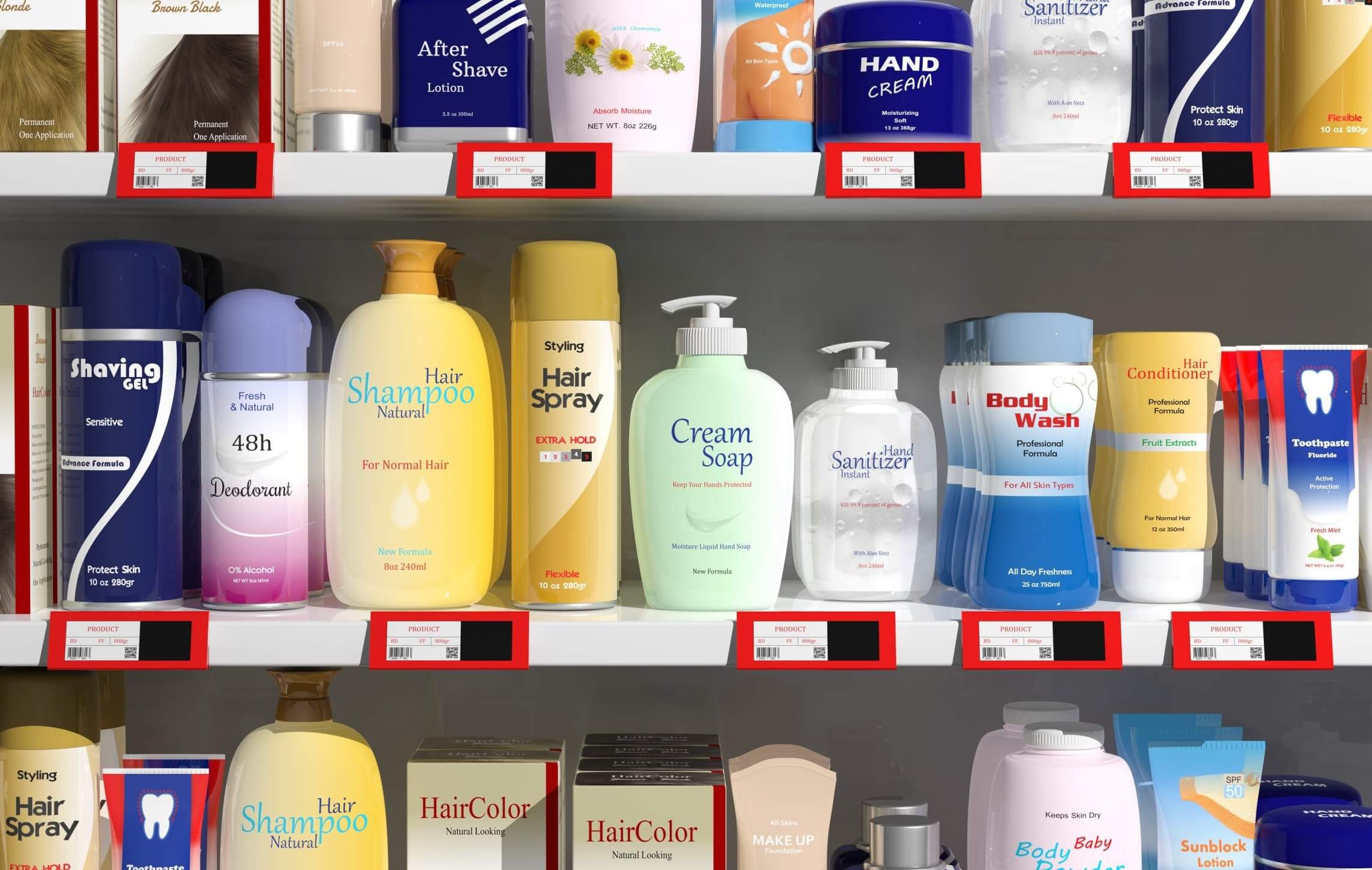
You could be taking in anywhere from 10 to 30 milligrams of ethanol, the kind of alcohol found in alcoholic beverages, every time you put sunscreen on your face. You might be curious in what additional chemicals you might be exposed to from personal care items, even though the ethanol in sunscreen might not make you feel particularly energized. Certain chemicals can be inhaled 10 times or more from face-care products, such as sunscreen, than from the air you breathe at home during the day.
Though it can still dry out the skin, causing pain, redness, and swelling, and irritate the eyes, causing tears, burning, and stinging, the amounts of ethanol in cosmetics and skincare products may be fairly safe. However, personal care products like shampoos, skin creams, deodorants, cosmetics, and perfumes contain fragrances and other volatile organic compounds (VOCs), some of which are more toxic than others, and which can be inhaled, absorbed through the skin, or consumed.
Regretfully, personal care product producers are exempt from disclosing all of the aroma compounds they employ. When you take into account the possible consequences of harmful substances found in the air from personal care products, this is alarming. For instance, formaldehyde, a hazardous chemical that can result in a variety of symptoms from dermatitis to decreased sperm count, has been emitted by hair smoothing products. Monoterpenes are compounds produced by some fragrances and deodorants that may be harmful to certain consumers.
Certain volatile organic compounds (VOCs) included in personal care products can cause headaches, skin irritation, and breathing difficulties, which in certain cases might worsen into an asthma attack. Within ten minutes of application, these VOCs’ greatest or peak concentration is probably going to happen. However, depending on the ventilation in your house, it might take up to two hours for these concentrations to drop to background levels.
However, even when VOC levels in personal care products are kept within acceptable bounds, they can still cause pain and a number of health problems, such as headaches, asthmatic responses, and eye and airway irritation, in those who are sensitive to fragrances. Twenty-seven percent of people in the UK say they are scent sensitive. Therefore, it makes sense that some people choose “natural” or “clean” personal care products in an effort to steer clear of potentially harmful synthetic chemicals found in cosmetics. However, natural does not equate to safety.
Essential oils, for example, are frequently used as fragrances in “natural” personal care products. However, essential oils contain terpenes, some of which are toxic if swallowed, inhaled, or absorbed. Terrenes are frequently present in indoor environments at concentrations that are detectable but not high enough to irritate the eyes or respiratory system. But the terpenes in essential oils can react with other substances, like outdoor air ozone, to create formaldehyde, a known carcinogen and allergen.
Beauty salons can be especially dangerous places to be exposed to volatile organic compounds. Studies have shown that salons have high concentrations of contaminants like formaldehyde, ammonia, and toluene—a potentially hazardous ingredient found in many personal care products—putting employees at the highest risk. In certain salons, the levels of formaldehyde have surpassed the safety threshold. Methyl methacrylate has been found in nail salon air, and it can irritate skin, trigger allergic reactions, and possibly cause respiratory problems.
These pollutants are not always found in the areas of a salon where a particular product is employed. Customers and employees are likely to be exposed to much greater amounts of pollutants in beauty salons with inadequate ventilation. Certain ingredients used in personal care products are known to be carcinogens and dangerous pollutants.
