Subhechcha Ganguly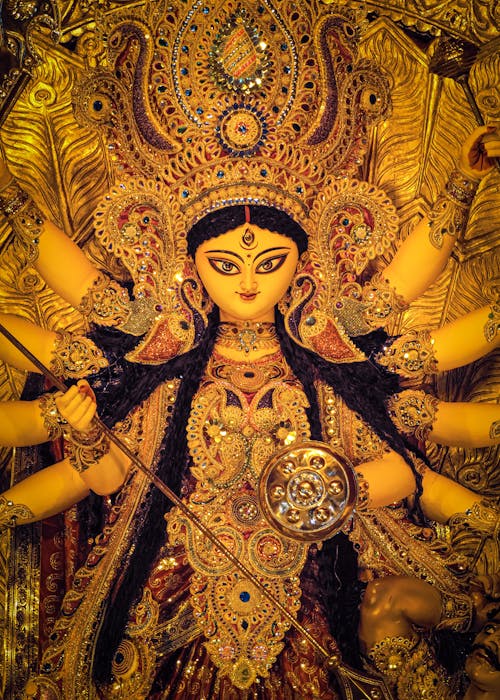
Kolkata, the cultural capital of India, transforms into a vibrant tapestry of art, tradition, and devotion every autumn during Durga Puja. This grand festival, celebrated primarily by the Bengali community, honors the goddess Durga’s victory over the buffalo demon Mahishasura, symbolizing the triumph of good over evil. Spanning several days, usually in September or October, Durga Puja is more than just a religious observance; it is a celebration of life, creativity, and community.
Historical Significance
The roots of Durga Puja can be traced back to the 16th century, but it gained prominence in the 18th century under the influence of the British colonial era. Wealthy families and local communities began organizing elaborate celebrations, setting the stage for what would evolve into the grand public festivities we see today. The festival serves as a reminder of Kolkata’s rich cultural heritage, embodying the city’s artistic spirit and communal harmony.
Artistic Expression
One of the most striking features of Durga Puja is the artistic creation of the idols. Local artisans, known as “shilpis,” dedicate months to crafting exquisite representations of the goddess, each imbued with intricate details and vivid colors. The clay idols are often adorned with delicate jewelry and vibrant fabrics, reflecting both traditional and contemporary styles. Many pandals (temporary structures where the idols are housed) showcase innovative themes, ranging from mythological tales to pressing social issues, turning the city into an open-air gallery.
The Pandal Experience
Walking through the streets of Kolkata during Durga Puja is akin to stepping into a living art installation. Each pandal offers a unique experience, drawing thousands of visitors with its theme and design. From intricately decorated traditional pandals to modern interpretations using recycled materials, each structure tells a story. Notable pandals like the famous Kumartuli and Shobhabazar Rajbari stand out for their historical significance and craftsmanship.
Culinary Delights
No festival in Kolkata is complete without its culinary offerings. During Durga Puja, streets and homes overflow with a feast of Bengali delicacies. Traditional dishes such as “bhog” (offered to the goddess and then distributed to devotees) include rice, lentils, and an array of fish and vegetable preparations. Street vendors offer mouthwatering snacks like “phuchkas” (pani puri) and “kathi rolls,” while sweet shops are filled with festive treats like “macher jhol” and “sandesh.” The aroma of fried foods and sweets wafts through the air, adding to the festive atmosphere.
Community and Celebration
At its heart, Durga Puja is a community festival. Families and friends come together to celebrate, often dressed in traditional attire, enhancing the sense of unity and togetherness. The festival fosters a spirit of inclusiveness, drawing people from diverse backgrounds to participate in the celebrations. It’s a time when the city feels alive, with cultural programs, music, and dance performances held in various pandals, showcasing local talent and traditional art forms.
The Emotional Farewell
The culmination of Durga Puja comes with the poignant ritual of “Visarjan,” or immersion. On the final day, devotees bid farewell to the goddess, taking her idol to the rivers, where it is immersed in water, symbolizing her return to her celestial abode. This ritual evokes a deep emotional response, as people reflect on the blessings received during the festival and look forward to her return next year.
Conclusion
Kolkata’s Durga Puja is a multifaceted celebration that transcends mere religious observance. It is a spectacular amalgamation of art, culture, and community spirit that embodies the essence of the city itself. As the city pulses with life, color, and creativity, the festival serves as a reminder of the enduring power of faith and the unbreakable bonds of community. Whether you are a resident or a visitor, experiencing Durga Puja in Kolkata is a journey that leaves an indelible mark on the heart and soul.
- Barricades To Open On Jan 26 For Farmer’s Tractor Rally
- Height Restrictions Imposed on Buildings Near Ram Mandir to Preserve Temple’s Grandeur
- Apple Confirms Manufacturing Top-Selling IPhone 13 In India
- “Stock Market Soars Amid US Election Outcome: Sensex Gains 600+ Points, Nifty Jumps Nearly 200 Points”