
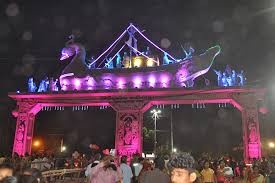
As the sun dips over the banks of the Mahanadi River in Cuttack, the air thickens with the scent of roasted peanuts, incense, and nostalgia. Lanterns flicker to life, sails flutter in the breeze, and the echo of traditional music rides the wind. This is Balijatra—Odisha’s grandest celebration of maritime heritage, and one of the largest open-air fairs in Asia.
A Journey Through Time
Balijatra, meaning “A Voyage to Bali”, is much more than a festival. It’s a living chronicle of Odisha’s ancient trade links with Southeast Asia, especially with the island of Bali in Indonesia. Celebrated every year starting on Kartika Purnima (the full moon day of the Hindu month of Kartika, usually in November), the festival marks the day when Odia mariners—known as Sadhabas—would set sail on boitas (large boats) to faraway lands like Java, Sumatra, and Bali for trade and cultural exchange.
As the legend goes, these voyages weren’t just for commerce—they were symbolic of Odisha’s deep-rooted ties with the rest of the world, centuries before globalization became a buzzword.
Where Culture Meets Carnival
The festival grounds on the banks of the Mahanadi transform into a dazzling maze of colors, sounds, and flavors. From sunrise rituals to midnight food trails, Balijatra offers a sensory overload:
-
Boita Bandana: At dawn, devotees float miniature boats made of banana stems, cork, or paper in rivers and ponds—chanting “Aa ka ma boi, pan gua thoi…”, a traditional ode to the sea voyagers.
-
Puppet shows, folk dances, and jatra performances (rural theater) fill the evenings with local flavor.
-
The fair sprawls across dozens of acres, hosting everything from handcrafted tribal artifacts and silver filigree to street food like dahibara aloodum, bara-ghuguni, and thunka puri.
Tradition With a Modern Twist
In recent years, Balijatra has evolved into a melting pot of cultures and causes. Startup stalls, digital installations, heritage walks, and eco-friendly initiatives have begun weaving their way into the fabric of the festival.
Local entrepreneurs and artisans see Balijatra as more than a fair—it’s an economic lifeline. “We wait all year for this. The entire state comes alive here,” says Sabitri Rout, a weaver from Berhampur showcasing her Bomkai sarees.
A Global Festival With Odia Roots
With growing awareness and interest, Balijatra is now being seen as an international festival of culture and history. Delegates from ASEAN nations often attend, tracing the old sea routes and re-igniting historical bonds. The Odisha government is actively working to get Balijatra listed as an UNESCO Intangible Cultural Heritage, a recognition it richly deserves.
More Than A Festival—A Feeling
What makes Balijatra truly unique is its emotional depth. For every Odia, it is a proud reminder of their seafaring ancestry, their spirit of exploration, and their cultural richness. Children light tiny boats, elders share tales of the Sadhabas, and the whole community comes together in a wave of joy and heritage.
In a world rushing toward the future, Balijatra is Odisha’s beautiful way of looking back—not with longing, but with pride.
