
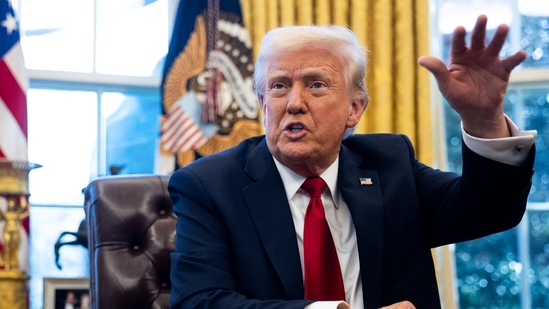
U.S. President Donald Trump has announced a 25% tariff on imported automobiles and key components, aiming to boost domestic manufacturing and increase tax revenues. The White House confirmed that the tariff will apply to fully assembled vehicles and essential parts such as engines, transmissions, and electrical components, with the possibility of further expansions. Last year, U.S. car and light truck imports were valued at over $240 billion.
Trump defended the measure as a “permanent” policy, claiming it would force automakers to shift supply chains away from Canada and Mexico, which he has criticized as “ridiculous.” He further stated, “The beauty of the 25 (per cent) is it’s one number. And that number is going to be used to reduce debt greatly in the United States.”
Canada: Prime Minister Mark Carney strongly condemned the move, calling it a “very direct attack” and vowed to protect Canadian workers and businesses. Ontario Premier urged Carney to respond by targeting American-made cars. Canada exported nearly C$50 billion ($35 billion) worth of vehicles to the U.S. last year.
European Union: European Commission President Ursula von der Leyen expressed regret over the decision, warning that the EU would evaluate countermeasures. She stated, “Tariffs are taxes — bad for businesses, worse for consumers in both the U.S. and the EU.”
Japan: Prime Minister Shigeru Ishiba hinted at possible retaliatory measures, stressing that Japan is one of the U.S.’s biggest investors and should not be treated the same as other nations. “We invest, create jobs, and pay high wages in the U.S. We must make it clear that this approach is unfair,” he asserted.
With tensions rising, the global automotive industry faces uncertainty as major economies weigh their responses to the latest U.S. trade escalation.
