
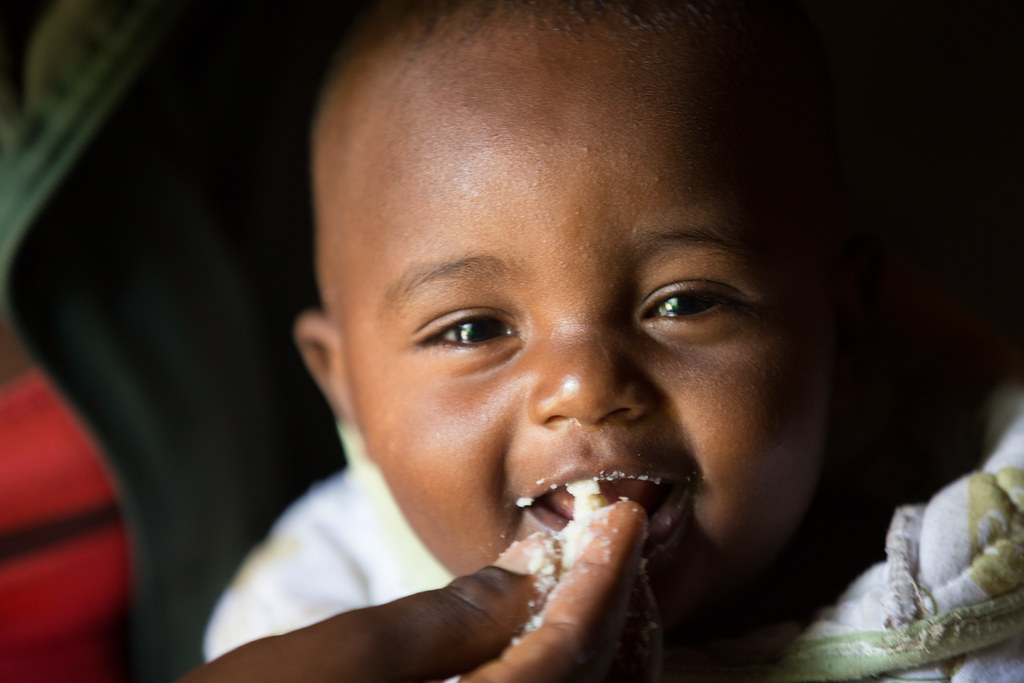
In recent months, experts and health authorities have raised alarm over the rising threat of adulterated food products targeted at babies. These unsafe foods, often found in baby formula, infant snacks, and homemade purees, pose significant health risks, including contamination with harmful chemicals, pesticides, and unsafe additives. The adulteration of food aimed at infants is particularly concerning, as babies’ immune systems and digestive systems are still developing, making them more vulnerable to foodborne illnesses and toxins.
A recent report from the Food Safety and Standards Authority of India (FSSAI) revealed that nearly 15% of baby foods tested contained substances such as synthetic colors, preservatives, and artificial sweeteners, which are banned for infant consumption. These additives can lead to various health complications like digestive problems, allergies, and long-term developmental issues.
One of the most disturbing findings is the presence of heavy metals like lead and cadmium in some baby food products, which can accumulate in the body over time, causing neurological damage. “The exposure to even trace amounts of these metals is extremely dangerous for infants, who are at a high risk of developmental delays and cognitive issues,” explains Dr. Rina Kapoor, a pediatrician at the National Children’s Hospital.
Despite government regulations, the lack of effective monitoring and enforcement allows these adulterated products to slip through the cracks, making their way into the hands of unsuspecting parents. Experts urge parents to buy baby food products only from certified and reputable brands and to avoid homemade purees unless they are absolutely certain of the quality and sourcing of ingredients.
As the battle against food adulteration intensifies, raising awareness among caregivers and promoting stricter regulations are vital steps in ensuring the safety and health of future generations.
